

Türkiye Detains 9 Israelis in Forex Fraud Probe
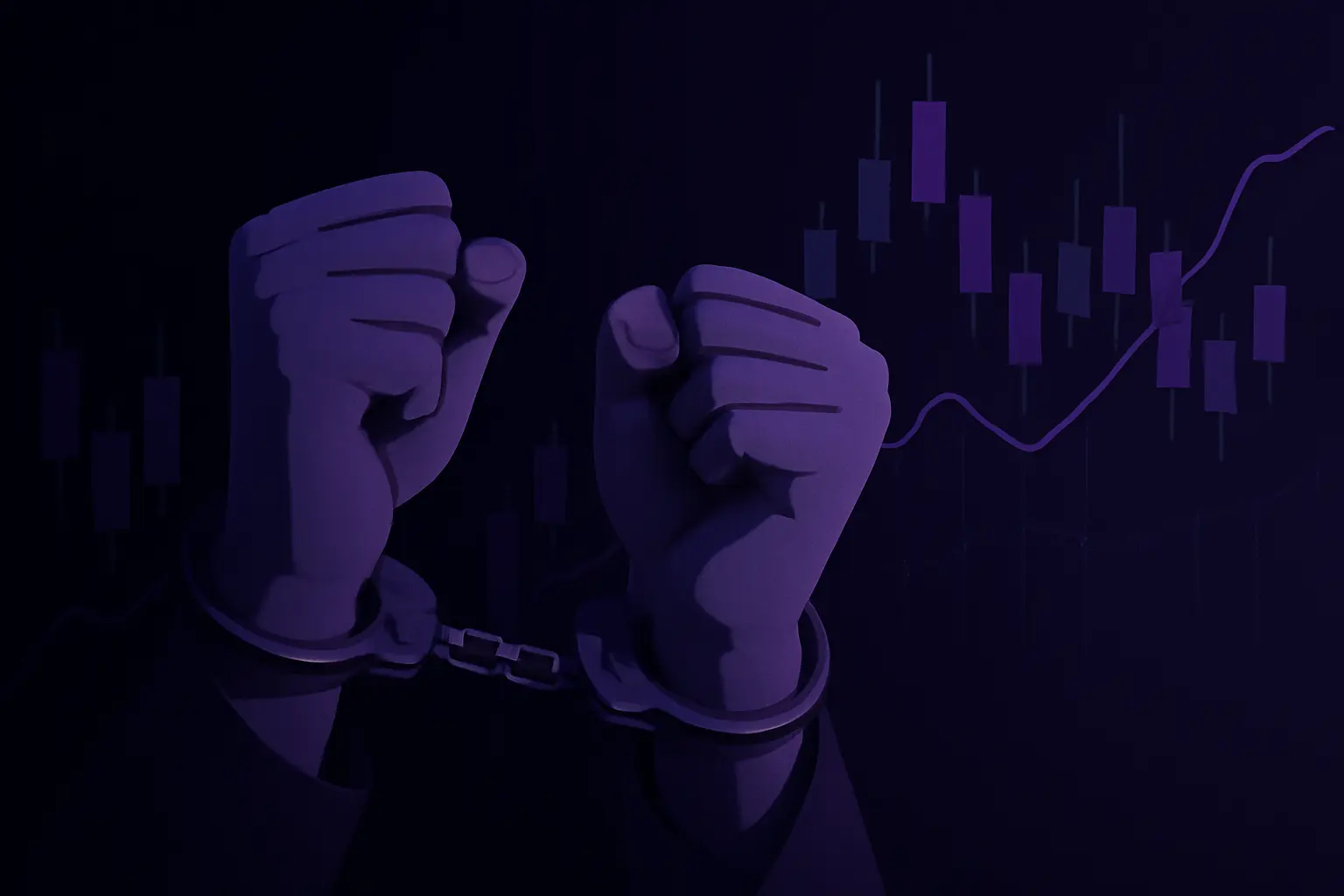
Turkish authorities detained nine Israeli citizens in a forex fraud investigation; the case highlights cross-border risks in unregulated currency trading.
VNIX Quick Take
- Nine Israeli citizens were detained in Türkiye as part of a probe into an Israel-linked forex fraud network.
- The case underscores how cross-border forex scams can operate across multiple jurisdictions, complicating enforcement.
- For traders, the event is a reminder to verify regulatory status and avoid unlicensed operators promising unrealistic returns.
Türkiye Detains Nine Israelis in Forex Fraud Investigation
Turkish authorities have detained nine Israeli citizens in connection with a forex fraud network allegedly linked to Israel, according to reports. The detentions are part of a broader investigation into fraudulent foreign exchange trading operations that may have targeted investors across borders.
The exact charges and the scope of the alleged scheme have not been fully disclosed, but the case highlights the persistent problem of unregulated forex trading platforms that promise high returns while operating outside the oversight of major financial regulators. Türkiye has recently intensified its crackdown on financial fraud, and this operation appears to be part of that effort.
For retail traders, the incident serves as a stark reminder of the risks associated with unlicensed forex brokers and investment schemes. While the details of this specific case remain under investigation, the pattern is familiar: entities that offer forex trading services without proper authorization, often using aggressive marketing and false promises to attract clients.
What’s Driving Cross-Border Forex Fraud Enforcement?
Regulatory Gaps Between Jurisdictions
Forex trading is a global market, but regulation is fragmented. While major economies like the US, UK, and EU have strict licensing regimes, other jurisdictions may have lighter oversight. Fraudsters exploit these gaps by setting up operations in countries with weaker enforcement, then targeting investors in more regulated markets. The lack of coordination between national authorities can delay investigations and allow suspects to move funds across borders.
In this case, the alleged network reportedly involved Israeli citizens operating in Türkiye, illustrating how fraud can span multiple countries. Such cases often involve complex corporate structures and the use of multiple bank accounts to obscure the flow of money. For traders, it’s crucial to check whether a broker is authorized by a reputable regulator in your own country. Our broker guide can help you identify regulated entities.
Investor Demand for High-Yield Forex Schemes
Low interest rates in many developed economies have pushed investors to seek higher returns, making them vulnerable to schemes that promise unrealistic profits. Forex fraudsters often capitalize on this by advertising “guaranteed” returns or proprietary trading systems that supposedly beat the market. In reality, these are often Ponzi-like structures where early investors are paid with new money until the scheme collapses.
Turkish authorities have been actively targeting such operations, and the detention of foreign nationals suggests a willingness to pursue cross-border cases. However, enforcement alone cannot eliminate the risk. Education is key: traders should understand that legitimate forex trading involves risk and that no one can guarantee profits. Learning to spot red flags—such as pressure to deposit quickly or promises of consistent double-digit monthly returns—is essential. For beginners, our trading style quiz can help you find a legitimate approach to markets.
Key Levels and Assets to Watch in the Aftermath
While this news is unlikely to move major currency pairs directly, it may affect sentiment toward the Turkish lira (TRY) and Israeli shekel (ILS) if the investigation expands to include larger financial institutions. Traders should monitor headlines for any indication of systemic involvement. The USD/TRY pair has been volatile in recent years due to Turkey’s unconventional monetary policy, and any escalation in financial crime crackdowns could add to uncertainty.
On a broader scale, the incident could prompt regulators in other countries to tighten oversight of forex brokers, potentially affecting leverage and marketing rules. For those trading forex, it’s important to keep an eye on regulatory announcements. You can track major currency moves on our live prices page and use technical indicators to gauge market reactions. Our indicators library offers tools to analyze volatility and trends.
How Traders Should Think About Counterparty and Regulatory Risk
This case is a reminder that trading forex involves not just market risk but also counterparty risk—the risk that your broker may not be legitimate or may not have the financial strength to honor withdrawals. Even if you trade with a regulated broker, it’s wise to understand the jurisdiction and the protections available. For example, brokers regulated by the FCA in the UK or ASIC in Australia typically offer segregated accounts and compensation schemes, whereas offshore brokers may offer none.
Another takeaway is the importance of due diligence. Before depositing funds, verify the broker’s license number on the regulator’s website, read reviews, and test customer support with small inquiries. Avoid brokers that promise guaranteed returns or use high-pressure sales tactics. If something sounds too good to be true, it probably is. Our classroom has a free course on choosing a broker and managing risk.
Finally, consider diversifying your trading across multiple regulated brokers to reduce exposure to any single entity. And remember that forex fraud is not limited to any one region—it can happen anywhere. Staying informed about enforcement actions, like this one in Türkiye, can help you avoid similar pitfalls. For community discussions on broker experiences, visit our signal rooms.
In VNIX's view
The detention of nine Israelis in Türkiye is a significant development in the fight against cross-border forex fraud, but it also highlights the vulnerability of retail traders to unregulated schemes. While this specific case may not directly impact currency markets, it reinforces the need for traders to prioritize regulatory compliance and counterparty checks. As enforcement tightens, we may see a shift toward more transparent, regulated trading environments, which is ultimately positive for the industry.
Educational analysis, not financial advice. Trading involves risk.
Track every market in one place
Live prices for gold, crypto, forex and US stocks with a heatmap view.