

AI's Growing Role in Shaping Central Bank Policy Decisions
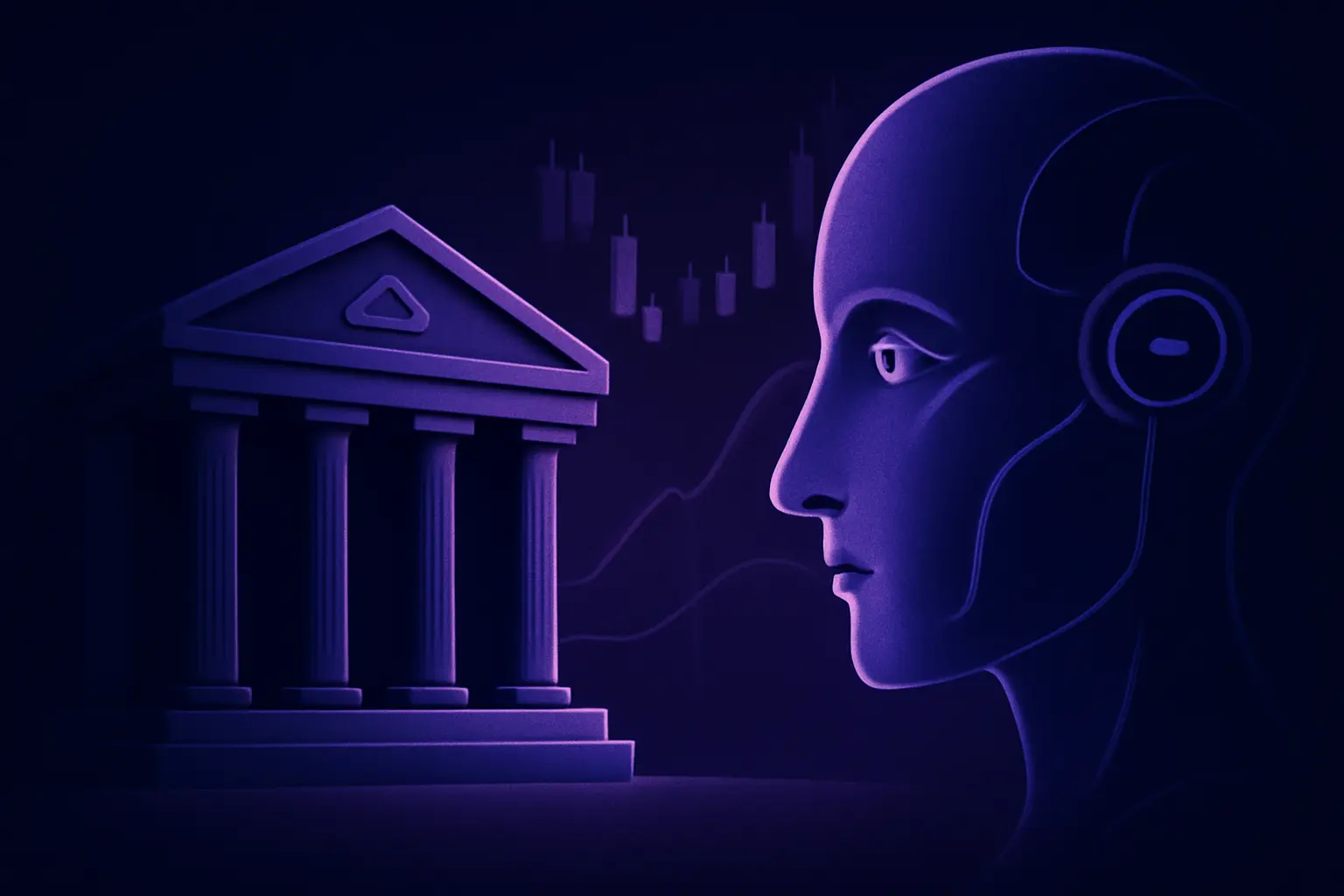
Central banks are exploring AI to enhance monetary policy analysis, forecasting, and risk management, potentially transforming decision-making processes.
VNIX Quick Take
- Central banks increasingly adopt AI for economic forecasting and policy analysis.
- AI can improve data processing and risk assessment but raises transparency concerns.
- Monetary policy decisions may become more data-driven with AI integration.
What happened
Central banks worldwide are investigating the use of artificial intelligence (AI) to enhance monetary policy frameworks. AI tools are being tested for real-time economic analysis, inflation forecasting, and financial stability monitoring. The Bank for International Settlements and several national central banks have published research on AI's potential to improve policy effectiveness.
Why it's moving
Efficiency gains
AI can process vast datasets faster than traditional models, potentially identifying economic trends earlier. This could lead to more timely and precise policy adjustments, benefiting traders monitoring key asset prices.
Risk and transparency
Yet, reliance on AI raises questions about algorithm transparency and accountability. Central banks must balance innovation with clear communication to avoid market confusion, especially when using AI for technical indicators.
Levels to watch
Traders should monitor central bank speeches and research papers for AI adoption signals. Any shift toward AI-driven policy could alter market expectations for rate paths, impacting currency and bond markets. For those new to trading, understanding these developments is part of finding your style.
In VNIX's view
AI promises to sharpen monetary policy, but its black-box nature may unsettle markets. Central banks will likely proceed cautiously, blending AI insights with human judgment. Traders should watch for early adopters like the Fed or ECB, as their AI integration could signal a new era in policy communication.
Educational analysis, not financial advice. Trading involves risk.
Track every market in one place
Live prices for gold, crypto, forex and US stocks with a heatmap view.