

Binance Hackers Raced to Convert Stolen Stablecoins Before Freeze
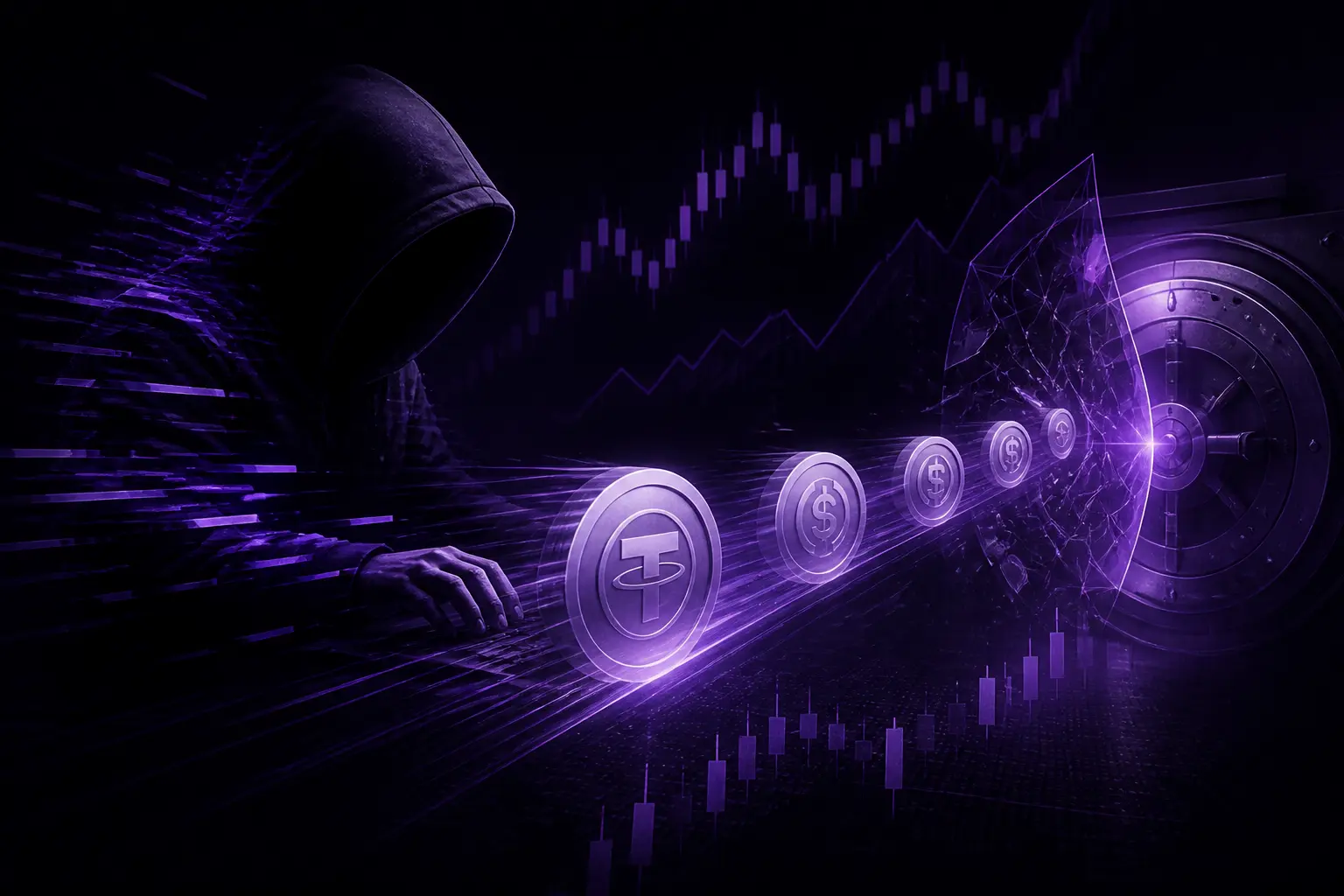
Attackers scrambled to swap stolen stablecoins into unfreezable crypto as Tether and Circle moved to block billions. The race highlights stablecoin risk.
VNIX Quick Take
- Hackers behind the Binance breach rushed to convert stolen stablecoins into cryptocurrencies that issuers could not freeze.
- Tether and Circle acted quickly to immobilize billions in assets, but the attackers tried to outrun them.
- The episode underscores the centralization risk in stablecoins and the cat-and-mouse game between hackers and issuers.
Binance Hackers' Frantic Dash to Launder Billions in Stablecoins
In a high-stakes race against time, the perpetrators of the Binance hack attempted to swiftly convert stolen stablecoins into other cryptocurrencies that could not be frozen by issuers. The attackers were trying to move billions of dollars in assets before industry players like Tether and Circle could immobilize them. The incident highlights the vulnerabilities in the crypto ecosystem and the critical role stablecoin issuers play in responding to hacks.
Stablecoins such as USDT and USDC are backed by reserves and managed by central entities that can freeze funds on their networks. This feature is designed to protect users and maintain stability, but it also creates a central point of failure that hackers must navigate. In this case, the attackers attempted to swap the stablecoins into assets like Bitcoin or Ethereum, which are decentralized and cannot be frozen by a single entity. The success of such conversions depends on the speed of the attackers versus the response time of the issuers.
The Binance hack, one of the largest in crypto history, forced exchanges and issuers to collaborate in real-time to track and block the stolen funds. While Tether and Circle managed to freeze a significant portion, the race continues as hackers seek to obscure the trail through mixers and decentralized exchanges. This event serves as a reminder that even in decentralized finance, centralized stablecoins remain a linchpin—and a potential weak point.
Why Stablecoin Freezes and Decentralized Assets Create a Double-Edged Sword
The Role of Centralized Issuers in Securing Funds
Stablecoin issuers like Tether and Circle have the power to freeze addresses associated with criminal activity. This capability is a double-edged sword: it can help recover stolen funds, as seen in this incident, but it also means that users must trust these companies to act responsibly. The ability to freeze assets is a form of centralization that contrasts with the decentralized ethos of cryptocurrencies like Bitcoin. When a hack occurs, issuers can quickly blacklist addresses, preventing the movement of stolen stablecoins. However, hackers are aware of this and often attempt to convert to other assets before the freeze is enacted.
The Attacker's Playbook: Converting to Unfreezable Crypto
The attackers' strategy involved converting the stolen stablecoins into cryptocurrencies that are not controlled by a central issuer. Assets like Bitcoin and Ethereum are decentralized, meaning no single entity can freeze them. This forces issuers and exchanges to rely on tracking and blacklisting, which is more challenging. Hackers may use decentralized exchanges, mixers, or privacy coins to obscure the trail. The race is on: the faster the conversion, the harder it is for authorities to recover funds. This dynamic puts pressure on issuers to monitor transactions in real-time and collaborate with law enforcement.
Key Assets and On-Chain Signals to Monitor After the Binance Hack
Traders and analysts should keep an eye on the flows of stolen funds across blockchains. Tools like on-chain indicators can help track large transactions and identify suspicious activity. The movement of funds through mixers or exchanges may signal attempts to launder the assets. Additionally, the response of stablecoin issuers—such as new blacklist entries—can provide clues about the extent of the freeze. The price of Bitcoin and other major cryptocurrencies may react to news of the hack and the subsequent recovery efforts, as market sentiment can be affected by security breaches.
Furthermore, the total value locked in decentralized finance (DeFi) protocols could be impacted if the stolen funds are moved through these platforms. Traders might watch for increased volatility in stablecoin pairs or a spike in exchange outflows. The incident also raises questions about the security practices of centralized exchanges, which could influence regulatory scrutiny and market confidence.
What the Binance Hack Means for Crypto Traders and Risk Management
For traders, the Binance hack is a stark reminder of the importance of risk management in crypto. Security breaches can lead to sharp price drops and liquidity issues, especially if large amounts of stolen funds are moved. Traders should consider diversifying holdings across multiple assets and using technical indicators to gauge market sentiment. The event also highlights the need to stay informed about on-chain developments, as they can provide early warnings of market-moving activity. Joining a trading community can help traders share insights and react quickly to such news.
Moreover, the hack underscores the counterparty risk associated with centralized exchanges and stablecoins. While stablecoins offer stability, their centralized nature means they can be frozen, which is both a protection and a risk. Traders should understand these nuances and consider the implications for their portfolios. For those new to crypto, learning about these dynamics through educational resources like the VNIX classroom can be invaluable. It's also crucial to use secure storage solutions and be aware of the risks of holding assets on exchanges.
Finally, the incident may accelerate regulatory discussions around crypto security and stablecoin oversight. Traders should monitor regulatory news and adapt their strategies accordingly. The ability to freeze funds is a powerful tool, but it also raises questions about decentralization and user sovereignty. As the crypto landscape evolves, staying educated and vigilant is key to navigating such events.
In VNIX's view
The Binance hack and the frantic race to convert stablecoins illustrate the ongoing tension between security and decentralization in crypto. While issuers like Tether and Circle can act as a safety net, their ability to freeze funds is a reminder of the centralization inherent in stablecoins. Traders should factor such risks into their strategies and remain alert to on-chain signals that could precede market volatility.
Educational analysis, not financial advice. Trading involves risk.
Get real-time trade signals
Entry, target and stop-loss for gold, crypto and forex — curated by our team.