

Brent Crude Eyes $100 as Geopolitical Risks Intensify
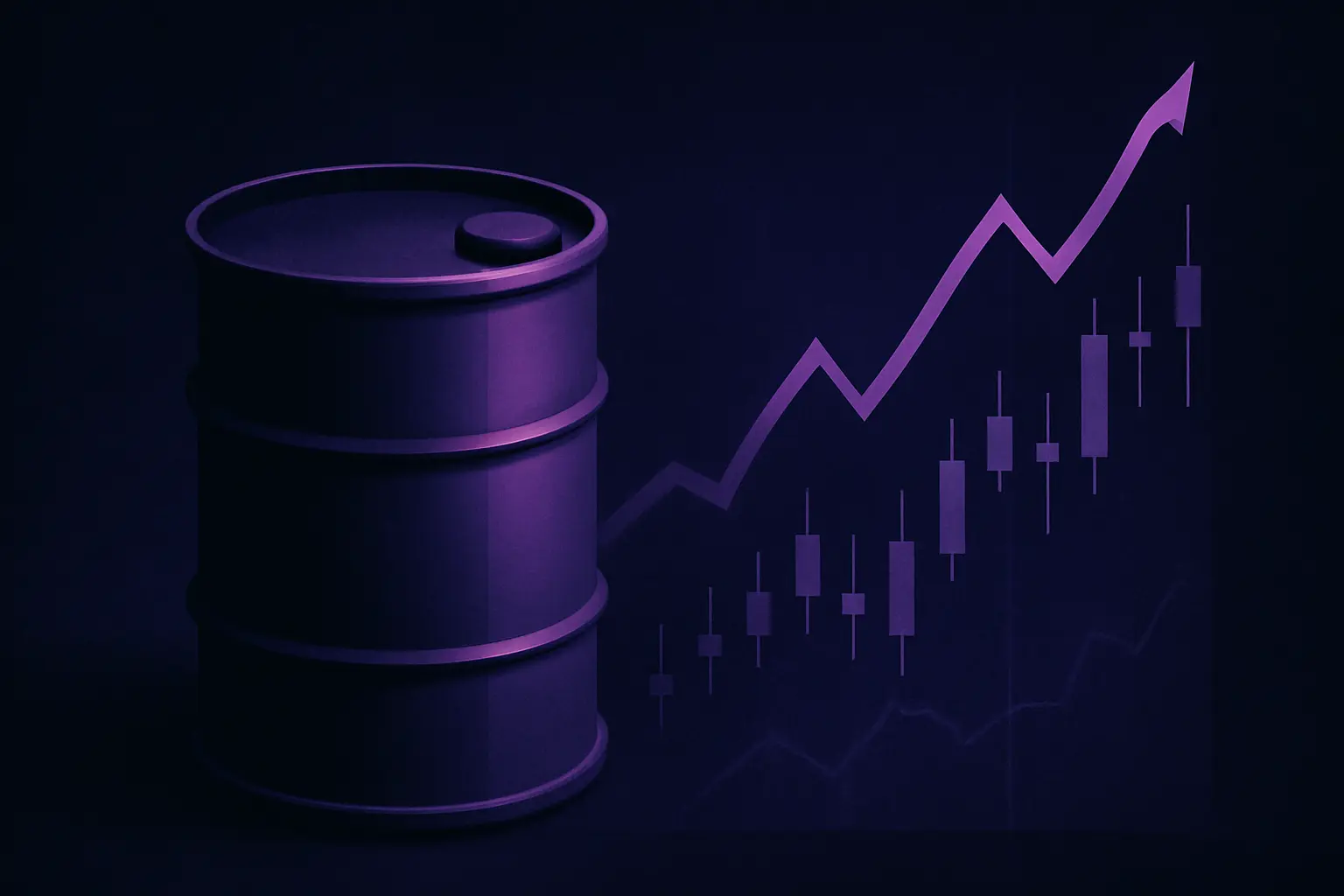
Brent crude could hit $100/barrel if Middle East tensions persist, analysts warn. Supply disruption fears drive bullish momentum.
VNIX Quick Take
- Brent crude futures have rallied sharply amid escalating geopolitical risks in the Middle East.
- Analysts suggest a sustained conflict could push prices toward the $100/barrel psychological level.
- Traders are monitoring diplomatic efforts and supply-side responses for directional cues.
Brent Crude Surges on Middle East Supply Fears
Brent crude oil futures have climbed to multi-month highs as geopolitical tensions in the Middle East intensify. The benchmark contract has gained over 10% in the past two weeks, fueled by concerns that a broader conflict could disrupt oil shipments from one of the world's most critical producing regions. Analysts at several major banks now warn that if hostilities continue to escalate, Brent could target the $100/barrel mark — a level not seen since 2022.
The rally follows a series of military actions and retaliatory strikes involving key oil-producing nations, raising the specter of supply constraints. While no actual production has been halted yet, the market is pricing in a risk premium that reflects potential disruptions to shipping lanes and infrastructure. The current price of Brent hovers around $92, with volatility expected to remain elevated.
What’s Driving the Move: Geopolitics and Supply Calculus
Heightened Risk of Supply Disruptions
The immediate catalyst is the deteriorating security situation in the Middle East. Recent drone attacks on oil facilities and naval skirmishes near the Strait of Hormuz — a chokepoint for about 20% of global oil transit — have heightened fears of a supply outage. The market is acutely sensitive to any signs of escalation, as spare capacity among OPEC+ members is limited.
Market Sentiment and Positioning
Beyond physical supply risks, speculative positioning has amplified the move. Hedge funds have increased net-long positions in Brent futures to the highest level in months, according to exchange data. This bullish sentiment is reinforced by a broader risk-on tone in commodities, with traders using technical indicators like RSI and moving averages to identify entry points. The convergence of geopolitical fear and technical momentum has created a powerful upward force.
Key Levels and Assets to Watch
Traders are closely watching the $95 and $100 resistance levels on the Brent chart. A break above $95 could accelerate buying toward the psychological $100 mark, while a failure might trigger profit-taking. On the downside, $85 serves as key support. Related assets such as gasoline and heating oil futures are also rallying, and the broader energy sector — including natural gas — is drawing increased attention from traders seeking correlated plays.
Additionally, the U.S. dollar's strength remains a countervailing force. A stronger dollar makes oil more expensive for holders of other currencies, potentially capping gains. Traders should monitor broker platforms for real-time price action and order flow.
What This Means for Traders: Risk Management and Scenarios
For traders, the current environment underscores the importance of geopolitical risk assessment. While the $100 target is plausible if tensions persist, the path is fraught with reversals. Diplomatic breakthroughs or a ceasefire could trigger a sharp selloff, as the risk premium unwinds. Conversely, any new attack could propel prices higher instantly.
Position sizing and stop-loss placement become critical. Volatility measures like the VIX for oil (OVX) are elevated, suggesting large daily swings. Traders may consider using options strategies to cap downside or gain exposure to upside without unlimited risk. For those new to energy markets, educational resources can help build a foundation.
Longer term, the structural outlook for oil depends on demand trends and OPEC+ policy. A sustained move above $100 could attract political intervention, such as releases from strategic petroleum reserves or calls for increased production. Traders should stay informed via signal rooms and community discussions.
In VNIX's view
Brent's rally is fundamentally driven by genuine geopolitical risk, not speculative froth. However, the $100 level is as much a psychological barrier as a technical one — expect fierce resistance. The key variable is whether the conflict escalates or de-escalates; traders should remain nimble and avoid overcommitting to a single direction. Use limit orders and trailing stops to manage exposure.
Educational analysis, not financial advice. Trading involves risk.
Not sure which tool fits you?
Take the 2-minute quiz and get a personalized recommendation.