

Cathie Wood: AI Agents Will Reshape Money Flows — Watch Where They Spend
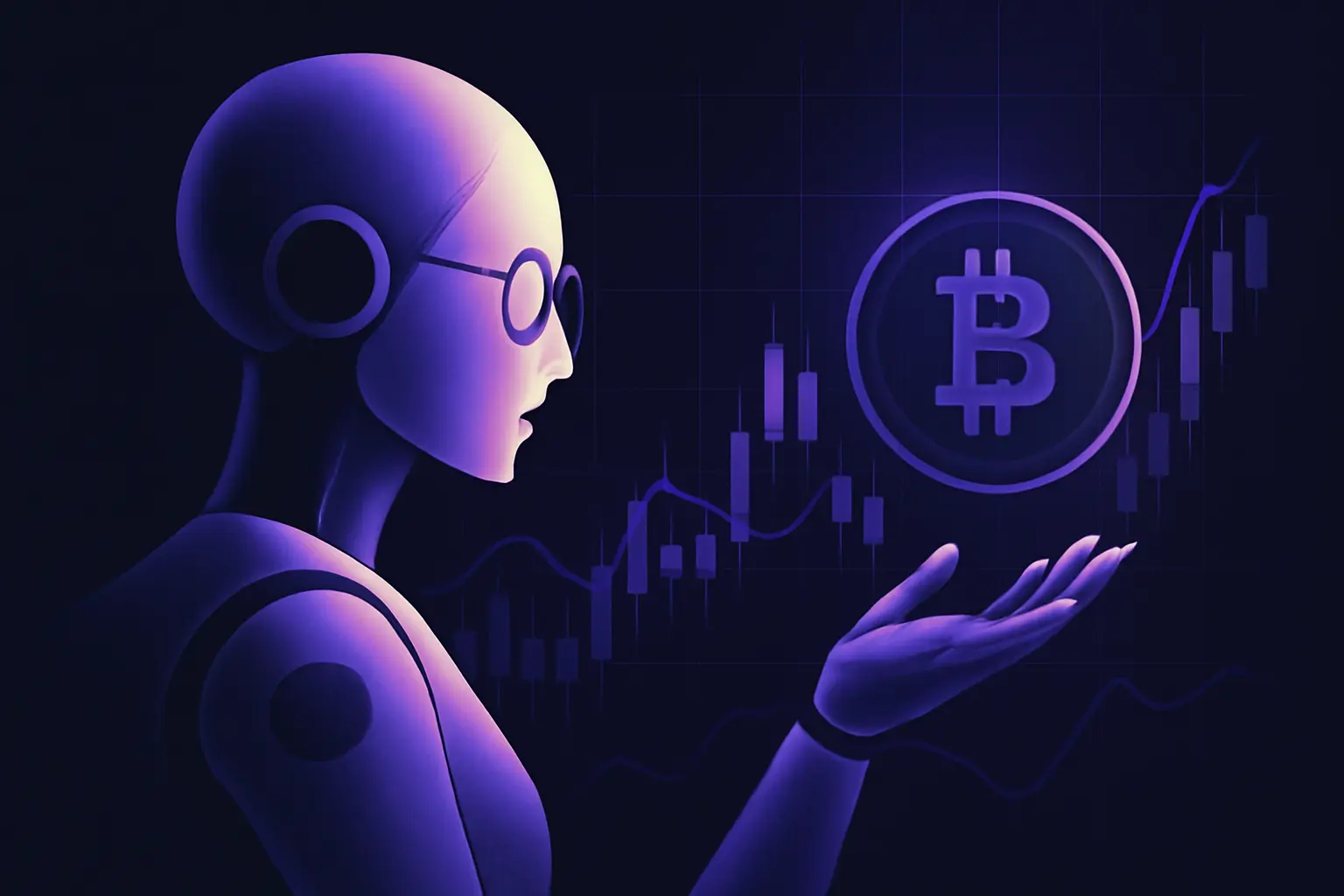
Cathie Wood warns smart investors must track where AI agents spend money, as tech giants race to control the financial networks behind machine-driven commerce.
VNIX Quick Take
- Cathie Wood says investors should monitor where AI agents spend money as they evolve from answering questions to making payments.
- Tech giants and crypto firms are competing to control the financial rails for AI-driven transactions.
- This shift could impact payment tokens, stablecoins, and blockchain networks focused on machine-to-machine commerce.
Cathie Wood Flags AI Agents as the Next Frontier for Investor Attention
Cathie Wood, the founder and CEO of Ark Invest, has a message for investors: start paying attention to where artificial intelligence agents spend money. In a recent statement, Wood highlighted that as AI agents move beyond simple question-answering to executing real financial transactions, the infrastructure enabling those payments will become a critical battleground.
Wood's comment comes amid a broader industry shift. AI agents—software programs that can autonomously perform tasks—are increasingly being equipped with the ability to purchase goods, pay for services, and interact with digital wallets. This evolution is pushing tech companies and financial firms to develop systems that can handle machine-initiated payments securely and efficiently.
The implication for investors is significant. If AI agents become primary spenders in the digital economy, the networks and tokens that facilitate these transactions could see massive adoption. Wood's track record of spotting disruptive trends, particularly in crypto and technology, gives her perspective weight among market participants.
Why AI-Driven Commerce Is Drawing Attention from Tech and Crypto Giants
The Race to Build Financial Rails for Machines
Major technology companies are already investing in payment infrastructures that can support AI-to-AI transactions. The goal is to create seamless systems where an AI agent can independently pay for data, computing power, or physical goods without human intervention. This requires not only advanced software but also robust financial networks that can handle high-frequency, low-value transactions.
Cryptocurrencies and stablecoins are emerging as potential solutions because they offer programmable money that can be integrated directly into AI systems. Unlike traditional banking rails, blockchain-based payments can be automated and settled instantly, making them attractive for machine-driven commerce. As a result, crypto projects focused on payments and smart contracts are watching this trend closely.
Cathie Wood's Broader Thesis on Disruptive Innovation
Wood has long championed disruptive technologies, including Bitcoin and other digital assets, as part of her investment strategy. Her latest focus on AI agents aligns with her view that convergence between AI and blockchain will create new economic models. She has previously argued that Bitcoin could become a global monetary system, and AI-driven payments could further embed crypto into everyday transactions.
For traders, this signals a potential shift in how value is captured in the digital economy. Companies that provide the infrastructure for AI payments—whether through stablecoins, layer-2 solutions, or payment-focused tokens—could become key players. However, the space is still nascent, and regulatory hurdles remain.
Key Assets and Sectors to Watch as AI Agents Begin to Transact
Investors looking to track this trend should monitor several areas. First, payment-focused cryptocurrencies and stablecoins that enable fast, low-cost transactions could see increased demand. Second, blockchain networks that support smart contracts and decentralized finance (DeFi) may benefit as AI agents interact with these protocols. Third, traditional payment processors that adapt to AI-driven commerce could also be in play.
It's also worth watching how major tech companies position themselves. Firms like Google, Microsoft, and OpenAI are developing AI agents with transactional capabilities, and their choice of payment rails could set industry standards. Any partnerships or integrations with crypto networks would be a strong signal. For real-time price action on related assets, keep an eye on VNIX's price tracker.
How Traders Can Approach the AI-Agent Payments Narrative
This emerging narrative offers both opportunities and risks. On the opportunity side, early identification of the winning infrastructure could yield significant returns, similar to the early days of cloud computing or mobile payments. However, the space is highly speculative, and many projects may fail. Traders should focus on fundamentals: which networks have real usage, strong developer activity, and partnerships with AI companies.
Risk factors include regulatory uncertainty, technological challenges, and the possibility that AI agents remain a niche use case for years. Additionally, the crypto market is known for its volatility, so position sizing and risk management are crucial. Traders might use technical indicators to gauge momentum and identify entry points, as discussed in our indicators guide.
Another angle is to monitor sentiment and community discussions around AI-crypto projects. Platforms like VNIX Signal Rooms can provide insights into how other traders are positioning. For those new to trading, understanding the basics of market cycles and asset selection is essential—consider taking our trader quiz to find your style.
Ultimately, Wood's call to watch AI agent spending is a reminder that technological shifts can create new markets. As AI agents become more autonomous, the financial networks they use will likely become increasingly valuable. Keeping an eye on this intersection could pay off for forward-thinking investors.
In VNIX's view
Cathie Wood's focus on AI agent spending highlights a logical next step in the convergence of AI and blockchain. While the narrative is still early, the infrastructure that enables machine-to-machine payments could become a significant market. Traders should monitor developments in payment tokens and stablecoins, but remain cautious given the speculative nature of the sector.
Educational analysis, not financial advice. Trading involves risk.
Get real-time trade signals
Entry, target and stop-loss for gold, crypto and forex — curated by our team.