

WTI Crude Slips as Iran Nuclear Talks Resume, Supply Fears Ease
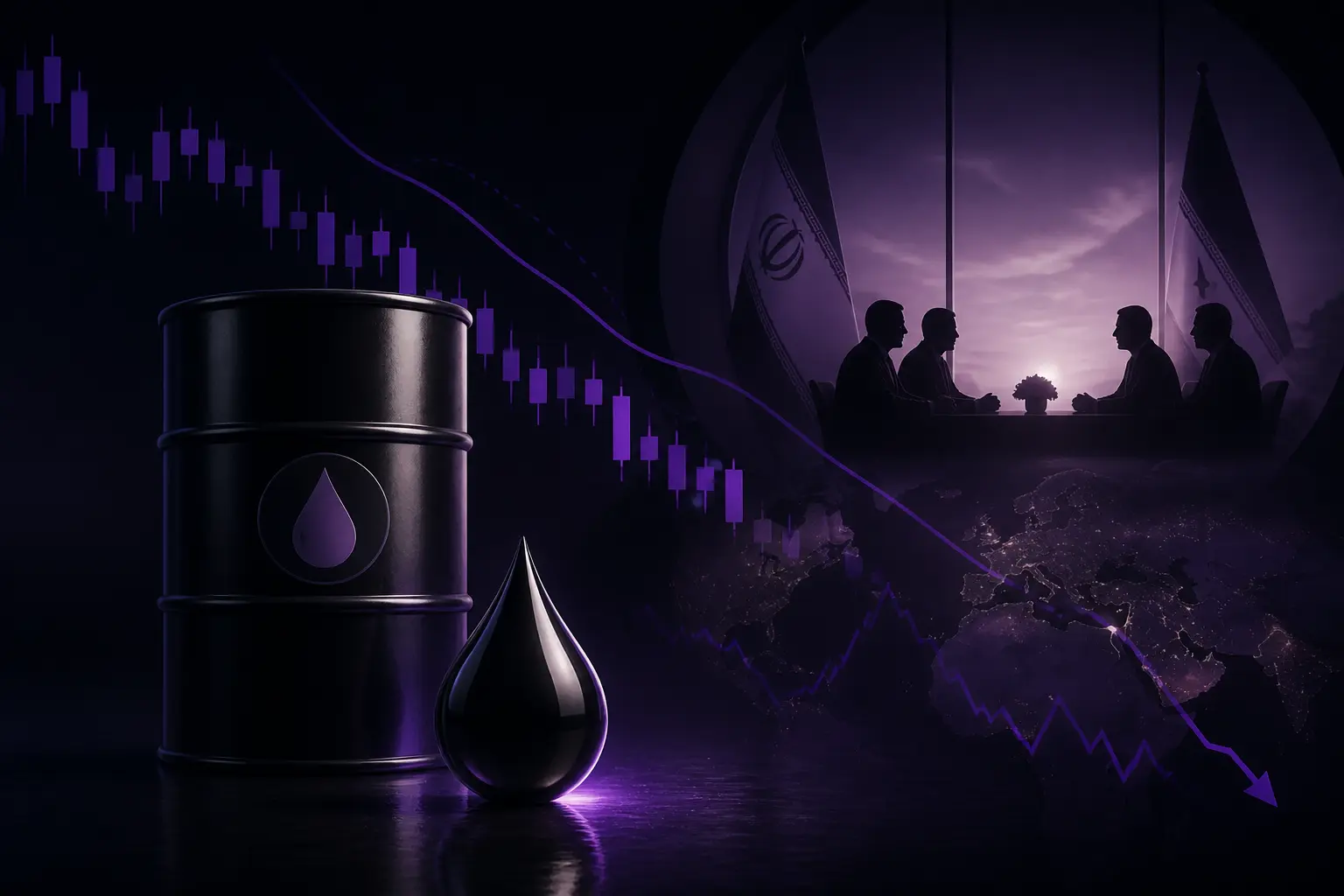
Front-month WTI crude fell as diplomatic talks between Iran and world powers raised the prospect of higher oil exports, easing supply concerns.
VNIX Quick Take
- December WTI crude futures declined as Iran nuclear negotiations resumed, potentially leading to increased Iranian oil exports.
- Diplomatic progress reduces the geopolitical risk premium embedded in crude prices, though no deal is guaranteed.
- Traders are watching key technical levels and upcoming inventory data for further direction.
WTI Crude Falls as Iran Nuclear Talks Restart
Front-month West Texas Intermediate (WTI) crude oil futures for December delivery moved lower on Tuesday as diplomatic efforts between Iran and major world powers resumed. The talks, aimed at reviving the 2015 nuclear agreement, could eventually lead to the lifting of sanctions on Iranian oil exports, adding supply to an already well-supplied market.
The decline reflects a reduction in the geopolitical risk premium that had been supporting prices. While no breakthrough has been announced, the mere resumption of negotiations signals a potential shift in the supply outlook. Traders are closely monitoring the talks for any signs of concrete progress.
WTI crude is a key benchmark for US oil prices, and its movements often influence broader commodity markets. For those tracking real-time price action, the VNIX price now tool provides up-to-date quotes on WTI and other major assets.
Behind the Pullback: Geopolitics and Supply Dynamics
Iran Nuclear Talks and the Risk Premium
Iran holds some of the world's largest proven oil reserves, but its exports have been severely constrained by US sanctions since 2018. A successful revival of the nuclear deal could see Iran return to exporting over 1 million barrels per day, which would ease global supply tightness. However, the negotiations are complex, and previous rounds have failed to yield a breakthrough. The market is pricing in a lower probability of near-term supply disruption, hence the downward pressure on prices.
Additionally, the diplomatic talks come amid broader geopolitical tensions in the Middle East, including the ongoing conflict in Gaza. While the Israel-Hamas war has not directly disrupted oil flows, it has kept a risk premium in the market. The resumption of Iran talks may be seen as a de-escalation signal, further reducing that premium.
Demand Concerns and Inventory Data
On the demand side, concerns about slowing global economic growth, particularly in China and Europe, continue to weigh on oil prices. Recent data from China, the world's largest oil importer, has shown signs of weakness, raising questions about the pace of demand growth. Meanwhile, US crude inventories have been building, suggesting ample supply. The American Petroleum Institute (API) and Energy Information Administration (EIA) report weekly inventory data, which traders watch closely for clues on supply-demand balances. Last week's build in inventories added to the bearish sentiment.
For a deeper understanding of how inventory data and other indicators affect price movements, explore our technical indicators guide.
Key Levels and Assets to Watch
From a technical perspective, WTI crude has been trading within a range, with support around the $80 per barrel level and resistance near $85. A break below $80 could open the door to further declines, while a sustained move above $85 would signal renewed bullish momentum. Traders should also monitor the US dollar, as a stronger dollar typically pressures dollar-denominated commodities like oil. The US Dollar Index (DXY) is currently hovering near multi-month highs, adding another layer of complexity.
Additionally, the spread between WTI and Brent crude, the international benchmark, can provide insights into regional supply-demand dynamics. A widening spread may indicate logistical bottlenecks or regional imbalances. Keeping an eye on these intermarket relationships is essential for a holistic view.
Navigating Crude Oil Trading Amid Diplomatic Shifts
For traders, the current environment requires a balanced approach. Geopolitical events can cause sharp, unpredictable moves, making risk management paramount. Position sizing and stop-loss orders are critical when trading commodities like crude oil, which can be volatile. It's also important to consider the broader macroeconomic context: interest rate decisions from the Federal Reserve, global growth prospects, and currency fluctuations all influence oil prices.
In the short term, the outcome of the Iran talks will be a key driver. Any signs of a deal could trigger further selling, while a breakdown in negotiations might revive the risk premium. Traders should also watch for comments from OPEC+ members, as the cartel's production policy will impact the supply outlook. The next OPEC+ meeting is scheduled for later this month, and any hints of production cuts could support prices.
For those looking to share ideas and learn from experienced traders, the VNIX signal rooms offer a collaborative environment to discuss market developments and strategies. And if you're new to trading commodities, consider taking our trader style quiz to find an approach that suits you.
Final Thoughts
While the immediate focus is on the Iran talks, the oil market is influenced by a complex web of factors. Traders should stay informed about geopolitical developments, economic data, and technical levels. Remember that trading involves risk, and past performance is not indicative of future results. Always conduct your own research and consider seeking advice from a licensed financial advisor.
In VNIX's view
The pullback in WTI crude reflects a rational reassessment of supply risks as diplomatic channels reopen. However, the path to a nuclear deal is fraught with obstacles, and any disappointment could quickly reverse the decline. Traders should remain flexible and alert to headlines.
Educational analysis, not financial advice. Trading involves risk.
Trade smarter with VNIX indicators
Clear entry, exit and risk signals right on your TradingView chart.