

Harmony Proposes ONE Token Migration to Ethereum After Layer-1 Sunset
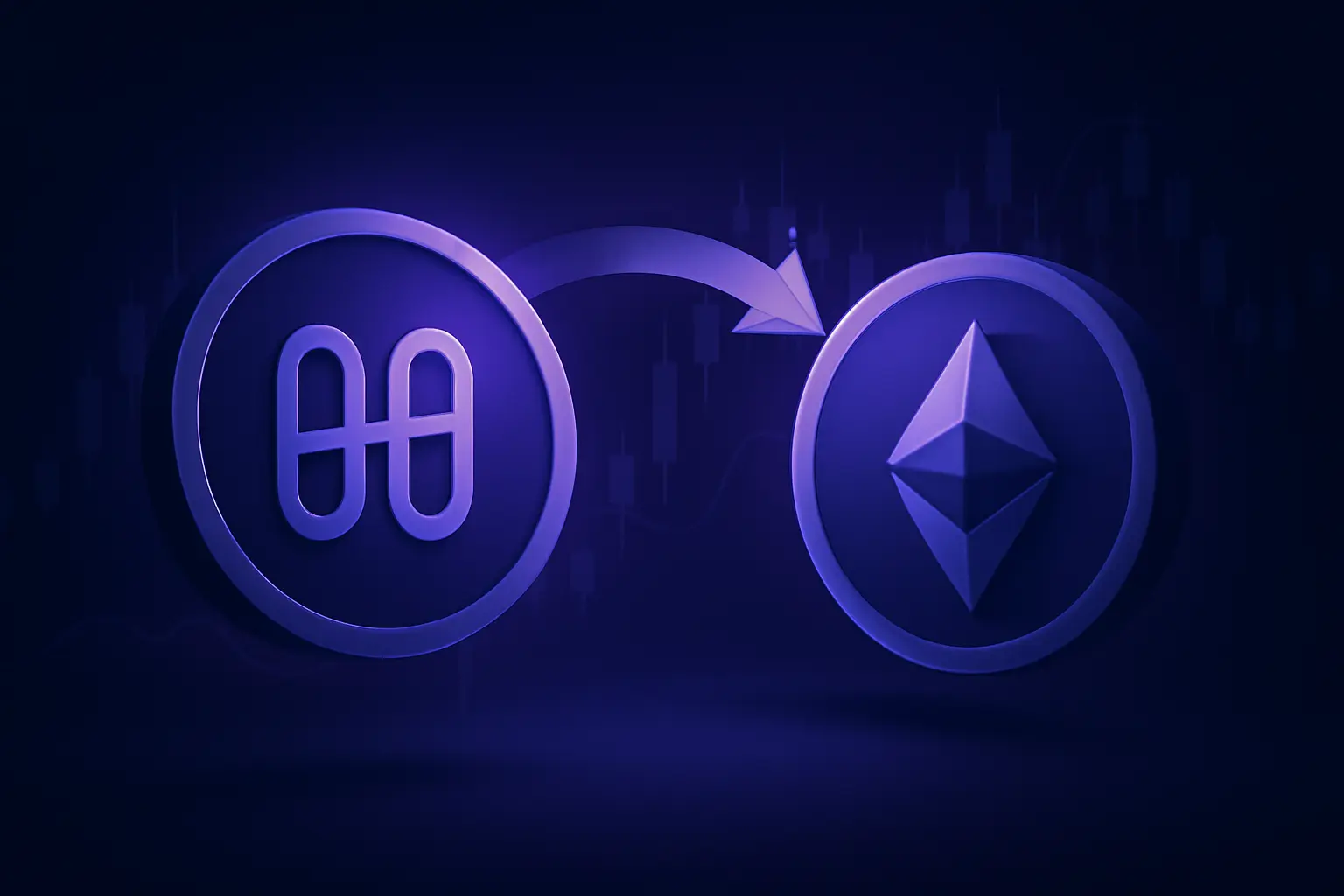
Harmony suggests shutting its layer-1 chain and moving ONE to Ethereum, weeks post-exploit that voided 109,000 transactions.
VNIX Quick Take
- Harmony's governance proposal recommends sunsetting its layer-1 blockchain and migrating the ONE token to Ethereum.
- The move follows a June exploit that led to plans to discard 109,000 transactions, shaking confidence in the network.
- If approved, ONE would become an ERC-20 token, with staking and bridge operations transitioning to Ethereum's ecosystem.
Harmony's Layer-1 Sunset: A Strategic Retreat or a Pragmatic Pivot?
Harmony, a proof-of-stake blockchain known for its sharding technology, has put forward a governance proposal that could fundamentally alter its network's future. The plan calls for sunsetting its native layer-1 chain and migrating the ONE cryptocurrency to Ethereum, effectively turning ONE into an ERC-20 token. This development comes weeks after a security breach that compromised the Horizon bridge, leading to an exploit that drained assets and forced the team to consider discarding 109,000 transactions.
The proposal, if passed, would mark a significant departure from Harmony's original vision of a high-throughput, low-cost layer-1 solution. Instead, the project would lean on Ethereum's established security and liquidity, while potentially phasing out its own validator set and consensus mechanism. For ONE holders, this means their tokens would be swapped 1:1 for an Ethereum-based version, and staking rewards would likely be managed through Ethereum's staking contracts or a delegated system.
This is not the first time a project has opted for such a transition. In recent years, several layer-1 networks have migrated to Ethereum or launched as rollups, citing the difficulty of maintaining independent security and developer mindshare. Harmony's move, however, is particularly notable because it comes after a major exploit, which may have accelerated the decision.
What's Driving the ONE Migration Proposal?
Post-Exploit Fallout: Trust and Transaction Reversal
The immediate catalyst is the Horizon bridge exploit, which occurred in June 2022. The attacker made off with approximately $100 million in various assets, and the team initially considered reversing the stolen funds by forking the chain. That plan evolved into discarding 109,000 transactions, a controversial move that would effectively roll back the ledger to a pre-exploit state. Such a decision undermines the immutability principle that many blockchain users value, and it likely eroded confidence among validators and dApp developers.
By proposing a migration to Ethereum, Harmony may be seeking to restore credibility. Ethereum's mainnet is widely considered more secure and battle-tested, and moving there could provide a fresh start without the baggage of a tainted history. However, it also means admitting that the standalone chain's security model was insufficient, which is a hard pill to swallow for early supporters.
Resource Constraints and Ecosystem Realities
Beyond the exploit, Harmony has faced persistent challenges in attracting and retaining developers and users. Competing with Ethereum, Solana, and other layer-1s requires immense resources for continuous development, marketing, and ecosystem grants. The proposal suggests that maintaining a separate layer-1 is no longer economically viable, especially when Ethereum offers a ready-made environment for tokens and dApps. By migrating, Harmony could redirect its remaining treasury and developer efforts toward building applications on Ethereum, rather than maintaining the underlying protocol.
This pragmatic view is common among smaller projects that realize the high cost of running a secure, decentralized network. The decision also aligns with a broader trend of 'Ethereum-alignment,' where projects choose to build on or with Ethereum to leverage its network effects.
Key Levels and Assets to Watch in the ONE Token Transition
For traders and investors, the immediate focus is on the ONE token's price and liquidity. If the migration is approved, ONE will likely trade on Ethereum-based decentralized exchanges and centralized platforms that support ERC-20 tokens. Currently, ONE trades on major exchanges like Binance and Huobi, and the migration could lead to listing changes or swaps. Historically, token migrations can create arbitrage opportunities and increased volatility, as seen in other projects that have transitioned to Ethereum.
Technical analysis on the current ONE chart may become less relevant if the token switches networks, but traders can monitor the ONE price for reactions to governance votes. Additionally, the broader market sentiment for cryptocurrencies will play a role, as ONE is a small-cap asset sensitive to Bitcoin's movements. Those using technical indicators should be cautious about over-relying on historical data during such a structural change.
Implications for Traders: Navigating the Migration Process
For traders, the key risk is the execution risk of the migration itself. Smart contract bugs, delays, or community opposition could derail the plan, leading to uncertainty. Moreover, the decision to discard transactions is legally and ethically murky, potentially inviting regulatory scrutiny. Traders should also consider the dilution effect: if the team decides to mint new tokens for grants or to compensate victims, the supply of ONE could increase, affecting price.
Another angle is the staking mechanism. Currently, ONE holders can stake to validators and earn rewards. Post-migration, staking might be handled via Ethereum's beacon chain or a liquid staking protocol. This could change the yield dynamics and lock-up periods, impacting those who rely on staking income. It's crucial to stay updated on official announcements to understand the specifics.
From a broader perspective, this event highlights the risks of investing in early-stage layer-1 projects. Security breaches can not only lead to loss of funds but also to fundamental changes in the project's roadmap. As a trader, diversifying across different layers and established assets like Ethereum itself can mitigate such idiosyncratic risks. If you're new to trading and want to understand how migrations and network upgrades affect prices, consider taking our trading style quiz or exploring our educational resources.
Engaging with the community on signal rooms can provide real-time insights, but always do your own research. For executing trades during such events, you'll need a reliable broker account that supports the relevant tokens.
In VNIX's view
Harmony's proposal is a pragmatic, though humbling, response to a security crisis. Migrating to Ethereum could offer a safer haven for ONE holders, but it also signals that the project's independent chain failed to sustain trust. The decision to discard transactions sets a dangerous precedent, and traders should weigh the long-term viability of a token that has undergone such a controversial rollback.
Educational analysis, not financial advice. Trading involves risk.
Not sure which tool fits you?
Take the 2-minute quiz and get a personalized recommendation.