

US Inflation Cools to 3.0% in July, Easing Pressure on Fed
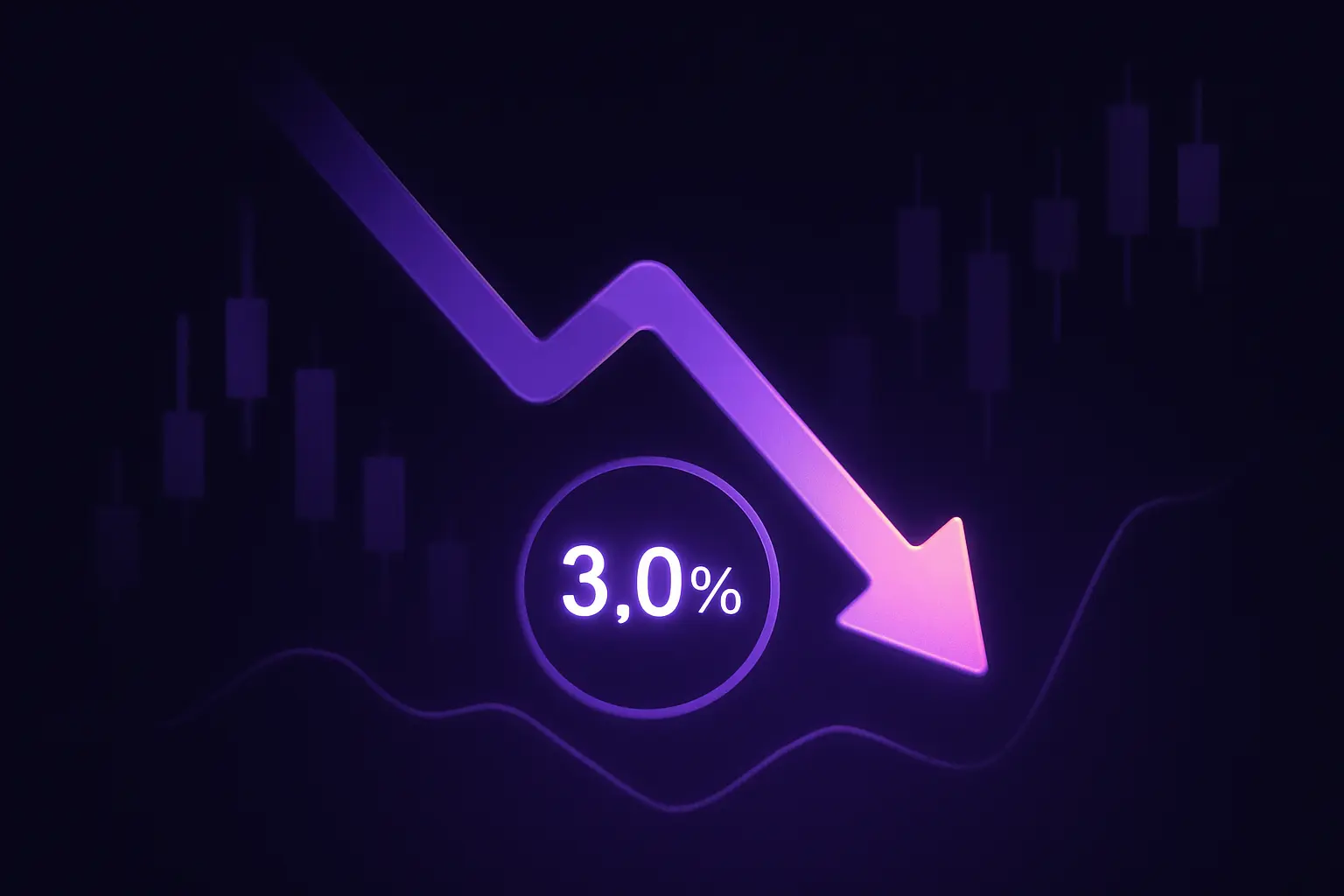
July CPI rose 3.0% year-over-year, down from 3.2% in June. Core inflation also slowed, supporting expectations for a Fed pause.
CPI — cooler than expected
Typical directional bias by asset when this plays out — from the VNIX macro impact model. Educational, not financial advice.
VNIX Quick Take
- Headline CPI eased to 3.0% in July, the first acceleration in over a year.
- Core inflation also cooled, reinforcing the disinflationary trend.
- Markets now see a higher chance of a Fed rate pause in September.
July CPI Slips to 3.0% as Inflation Pressures Moderate
The U.S. Consumer Price Index (CPI) for July rose 3.0% from a year earlier, a slight deceleration from June's 3.2% increase. This marks the first time in over a year that the annual rate has moved lower, providing relief to households and policymakers alike.
On a month-over-month basis, headline inflation increased by 0.2%, matching the previous month's gain. Core CPI, which excludes volatile food and energy prices, also advanced 0.2% for the month and 4.7% year-over-year, down from 4.8% in June. These figures suggest that underlying price pressures are gradually easing, though they remain above the Federal Reserve's 2% target.
What's Driving the Cooler Inflation Reading?
Energy and Goods Prices Weigh on Headline Number
A key contributor to the softer headline figure was a decline in energy prices, which fell 0.8% in July. Used car prices also dropped sharply, while apparel and medical care costs were mixed. These declines helped offset persistent increases in shelter and food prices.
Services Inflation Remains Sticky but Shows Signs of Thaw
Core services, a closely watched category, rose 0.2% in July, the smallest gain in over a year. However, shelter costs—the largest component—still climbed 0.4% for the month, keeping overall services inflation elevated. Traders should note that shelter tends to lag other prices by several months, so the full impact of cooling rents may not be visible until later this year.
Key Levels to Watch in the CPI Report and Beyond
For traders, the immediate reaction in the dollar index and Treasury yields will be crucial. A softer CPI typically weighs on the dollar and boosts risk assets. The 10-year Treasury yield, currently hovering near 4.0%, could test lower levels if inflation continues to ease, potentially benefiting gold and other commodities.
On the other hand, if core inflation proves stickier than expected, yields could spike, pressuring equities. Watch the upcoming Fed meeting in September—markets are now pricing in a high probability of a pause, according to CME FedWatch. Any hawkish surprises in Fed communications could quickly shift these expectations.
What This Means for Your Trading Strategy
This report reinforces the narrative of disinflation without a sharp economic downturn—a 'soft landing' scenario. For traders, this could mean a favorable environment for risk assets, but caution is warranted. The Fed has emphasized that it will remain data-dependent, so each subsequent inflation release will be critical.
Consider how you might position across asset classes: community discussions often highlight that a cooling CPI tends to support growth stocks and cryptocurrencies, while hurting the dollar. However, the path is not linear—any resurgence in oil prices or supply-chain disruptions could reverse this trend.
For those new to trading, understanding how economic data moves markets is fundamental. The VNIX classroom offers a comprehensive guide to interpreting CPI and other indicators. If you're ready to act on these insights, you'll need a reliable broker to execute your trades.
In VNIX's view
The July CPI report provides further evidence that the Fed's tightening cycle is working, but the journey back to 2% is far from complete. With core inflation still above target, a September pause looks likely, but a premature pivot could reignite price pressures.
Educational analysis, not financial advice. Trading involves risk.
Get real-time trade signals
Entry, target and stop-loss for gold, crypto and forex — curated by our team.