

US Inflation Halved Under Trump, Yet Voter Anger Persists: What Traders Should Know
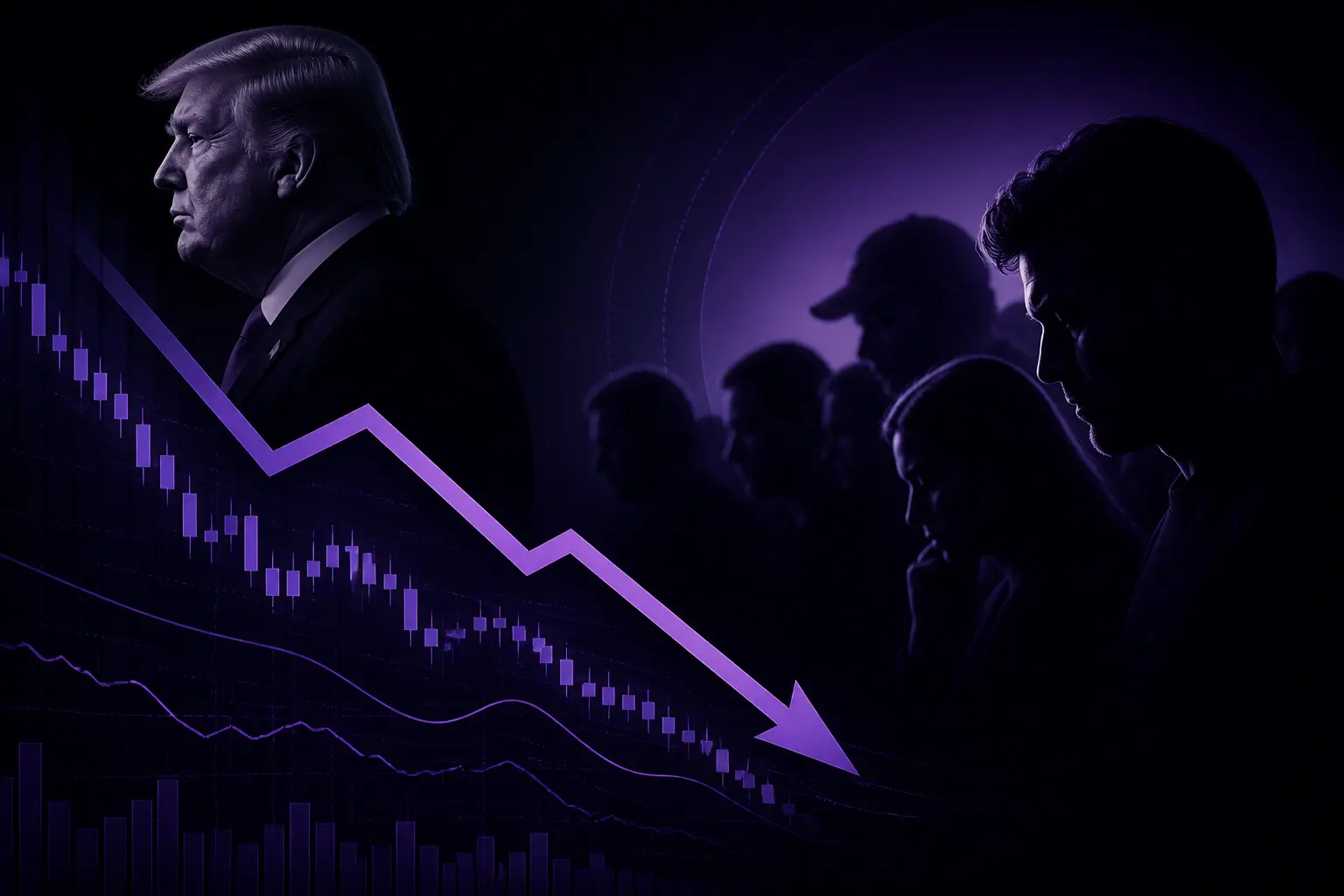
Headline CPI has cooled to roughly half the Biden-era pace, but public frustration over prices remains intense — a gap that matters for Fed expectations and market positioning.
CPI — cooler than expected
Typical directional bias by asset when this plays out — from the VNIX macro impact model. Educational, not financial advice.
VNIX Quick Take
- Inflation under the current administration is running at roughly half the rate seen during the previous one, according to the source report.
- Despite the cooler headline number, voter dissatisfaction over the cost of living is reportedly just as elevated as before.
- The disconnect highlights how price levels, not just the rate of change, shape both politics and rate-cut expectations.
Inflation at Half the Biden-Era Pace — and Voters Are Still Fuming
The central puzzle in the source story is a simple one: measured inflation has slowed dramatically. Under Trump, the report notes, price growth is running at only about half the rate recorded under Biden. On paper, that is a meaningful disinflation story — the kind of data that historically supports easier monetary policy and risk-asset rallies.
Yet the political reaction has not followed the data. Voters are described as just as angry about prices as they were when inflation was peaking. That gap between the statistical improvement and the public mood is the real story here, and it carries direct implications for how markets should interpret consumer sentiment surveys, Fed communication, and the political pressure surrounding monetary policy.
For traders, the lesson is that inflation data does not exist in a vacuum. The rate of change has cooled, but the cumulative increase in the price level since the post-pandemic surge has not reversed — and households experience the latter every time they shop, pay rent, or fill a tank.
Why Cooler CPI Hasn't Cooled the Anger
The difference between the inflation rate and the price level
Economists track inflation as a rate of change — how fast prices are rising this year versus last. Consumers, by contrast, experience prices as a level. Even when the rate of increase halves, previously elevated prices remain embedded in the cost of groceries, insurance, housing, and services. A slower climb does not mean a lower summit.
This distinction is central to understanding the source story. The disinflation is real, but the cumulative burden accumulated during the earlier inflation spike persists in household budgets. That is why sentiment can remain sour even as the headline data improves.
Wage growth, housing, and the memory of the spike
Public frustration is also shaped by how price increases are distributed. Essentials tend to dominate household attention, and those categories often lag broader disinflation. When wages trail the cumulative rise in living costs, the perception of being worse off persists regardless of the current inflation print.
That perception feeds directly into consumer confidence readings, which traders watch as a leading indicator for spending. Persistent anger can translate into cautious consumption, which in turn affects growth-sensitive assets and the rate path the market prices in. Sentiment tools on our indicators page can help frame how these surveys interact with price action.
What Traders Should Watch: CPI Prints and Consumer Sentiment
The most immediate data points to monitor are the monthly CPI and Core PCE releases, alongside consumer sentiment surveys. If inflation continues to cool while sentiment stays depressed, the Fed faces a messaging challenge: the data supports easing, but the public mood argues for caution on declaring victory.
Watch how the market prices the probability of rate cuts relative to each new inflation print. Gold, the dollar, and rate-sensitive equities typically react to CPI surprises, and the live price feed is the place to track those moves in real time. A cooler-than-expected print would normally support risk assets and weigh on the dollar; a hot one does the opposite.
How Traders Can Think About the Inflation-Politics Gap
The key insight for traders is that markets price expectations, not just data. If voters remain angry about prices, politicians may push for policies — tariffs, fiscal measures, or pressure on the central bank — that alter the inflation outlook in ways the current data does not capture. Those policy risks are a source of volatility that pure CPI-watching can miss.
Second, consider how the Fed might respond to a sentiment-driven political environment. A central bank that fears losing credibility may be slower to cut rates even as inflation cools, which would keep real yields elevated and support the dollar. Conversely, if growth data weakens, the disinflation trend gives the Fed room to ease more aggressively than the political noise suggests.
Finally, treat this as a lesson in narrative risk. Positioning around inflation has become crowded at times, and a persistent gap between data and public perception is exactly the kind of story that can shift sentiment-driven flows. Discussing these setups with other traders in our signal rooms can help stress-test your read before committing capital. Newer traders may want to start with our trader-style quiz to see how this macro context fits their approach.
In VNIX's view
The halving of the inflation rate is a genuine macro improvement, but the persistence of voter anger is a reminder that markets and households measure inflation differently. Traders should treat the sentiment gap as a forward-looking risk factor: it can drive policy responses and Fed caution that pure data-watching would not anticipate. The most useful posture is to watch both the CPI trend and the sentiment surveys, and to respect how the political backdrop can inject volatility into rate expectations.
Educational analysis, not financial advice. Trading involves risk.
Trade smarter with VNIX indicators
Clear entry, exit and risk signals right on your TradingView chart.