

Iran's Triple Crisis: Scandal, Inflation, and Protests Pressure the Regime
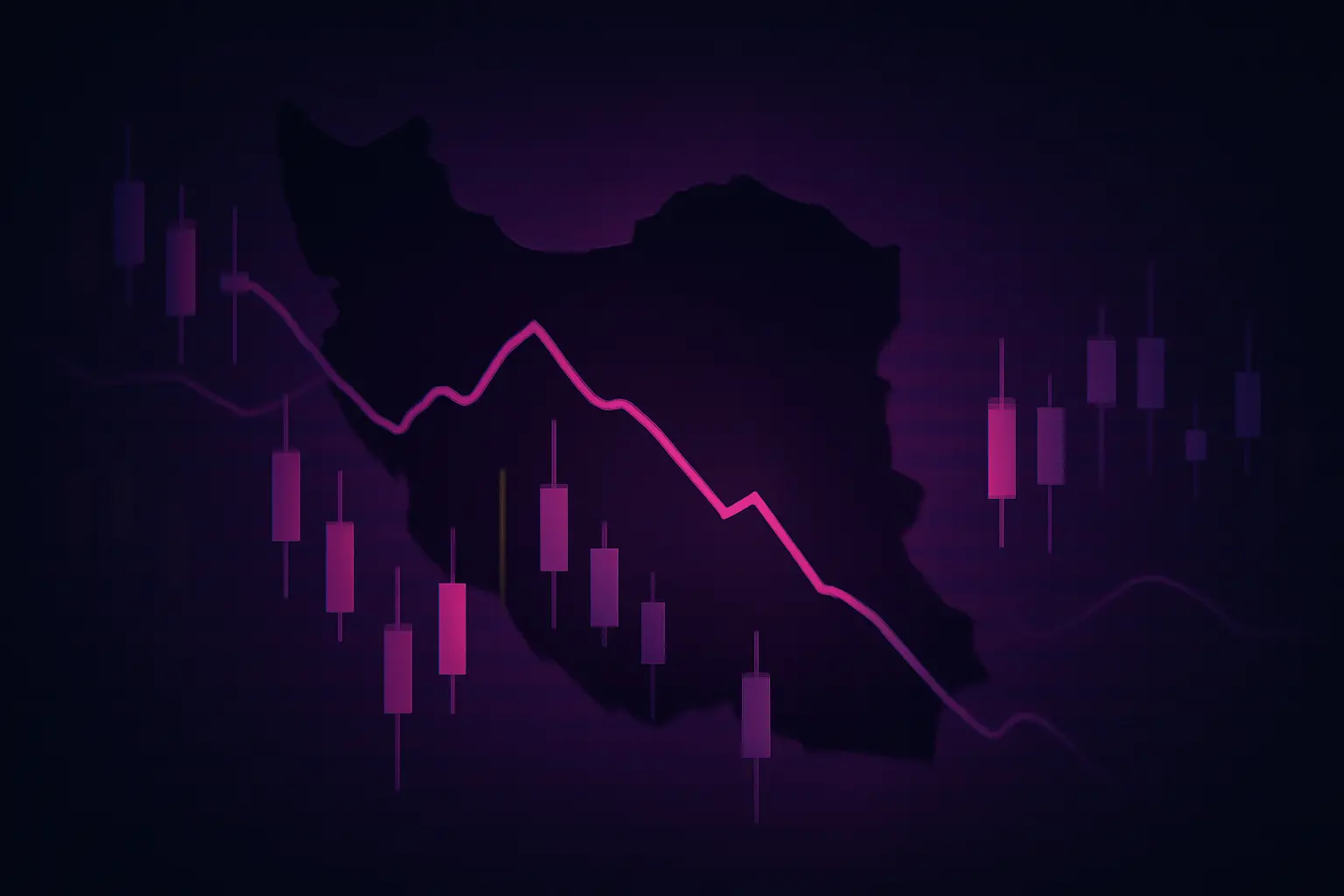
Iran faces a triple threat: a political scandal, skyrocketing inflation, and widespread protests. The regime's stability is being tested, with potential ripple effects for global markets.
VNIX Quick Take
- Iran's regime is strained by a corruption scandal, inflation, and protests.
- The economic turmoil could destabilize the region and impact oil prices.
- Traders are watching for potential supply disruptions and safe-haven flows.
Iran's Regime Faces Triple Threat: Scandal, Inflation, and Protests
Iran's government is under severe strain as a political scandal, skyrocketing inflation, and widespread protests converge, according to a recent news report. The regime, already grappling with economic sanctions and internal dissent, now faces a multi-front crisis that threatens its stability.
The scandal, though not detailed in the source, has further eroded public trust in the leadership. Inflation has reached levels that are crippling ordinary citizens, with prices for basic goods soaring. The protests, which have erupted across multiple cities, reflect deep-seated public anger over economic mismanagement and political corruption.
This confluence of factors is not just a domestic issue; it has significant implications for global markets. Iran is a major oil producer, and any internal instability could disrupt supply chains, affecting oil prices and, by extension, inflation expectations worldwide.
What's Driving the Unrest: Inflation and Political Fallout
Skyrocketing Inflation Erodes Living Standards
Inflation in Iran has been a persistent problem, but recent months have seen it accelerate sharply. The source highlights that inflation is 'skyrocketing,' a term that underscores the severity of the situation. For traders, this is reminiscent of other hyperinflationary environments where currency devaluation and price controls lead to black markets and social unrest.
The root cause is a combination of international sanctions, which have cut off access to foreign exchange, and domestic fiscal policies that have expanded the money supply. This has led to a vicious cycle: as the rial loses value, import costs rise, fueling further inflation and squeezing households.
Political Scandal and Protests Compound the Crisis
The political scandal, while not specified, adds a layer of instability. It likely involves corruption or mismanagement at high levels, which further delegitimizes the regime in the eyes of the public. The protests are a direct response to this, as citizens take to the streets to demand accountability and economic relief.
Historically, such movements have had unpredictable outcomes. In some cases, they lead to policy changes; in others, they escalate into broader unrest that can topple governments. For now, the regime appears to be holding, but the pressure is mounting.
Key Levels to Watch: Oil Prices and Safe-Haven Assets
For traders, the immediate focus is on oil. Iran's instability could lead to supply disruptions, pushing Brent and WTI prices higher. The crude oil price is a key indicator to watch, as any significant spike would have ripple effects across energy stocks and inflation expectations.
Additionally, safe-haven assets like gold and the US dollar may see increased demand. The gold price often rises during geopolitical uncertainty, and the dollar strengthens as investors seek refuge. Monitoring these assets can provide clues about market sentiment and risk appetite.
What This Means for Traders: Risk and Opportunity
Geopolitical events like this are notoriously difficult to trade because of their unpredictability. However, they offer opportunities for those who can manage risk effectively. The key is to avoid over-leveraging and to use technical analysis tools, such as those found on our indicators page, to identify entry and exit points.
One approach is to wait for confirmation of a trend before entering. For example, if oil breaks above a key resistance level on high volume, that might signal a sustained move. Similarly, if gold rallies, it could indicate a broader risk-off sentiment. Traders should also consider the wider economic context, such as how these events might influence central bank policies.
It's also important to remember that geopolitical crises can change direction quickly. A diplomatic resolution or a crackdown on protests could reverse market moves just as fast. Therefore, using stop-loss orders and position sizing is critical. For those new to trading, our classroom offers resources on risk management and strategy development.
Finally, it's worth noting that the situation in Iran is not isolated. It interacts with other global trends, such as the ongoing Russia-Ukraine conflict and the US Federal Reserve's monetary policy. A sustained spike in oil prices could complicate the Fed's fight against inflation, potentially leading to a more hawkish stance. Traders should keep an eye on signal rooms for real-time discussions and insights from other traders.
In VNIX's view
The crisis in Iran adds another layer of uncertainty to an already volatile global economy. While the immediate market impact may be limited, the long-term implications for oil supply and inflation are significant. Traders should prepare for potential volatility and focus on disciplined risk management.
Educational analysis, not financial advice. Trading involves risk.
Get real-time trade signals
Entry, target and stop-loss for gold, crypto and forex — curated by our team.