

Blast L2 Shuts Down: $2B Ethereum Layer-2 Collapses After 98% Asset Plunge
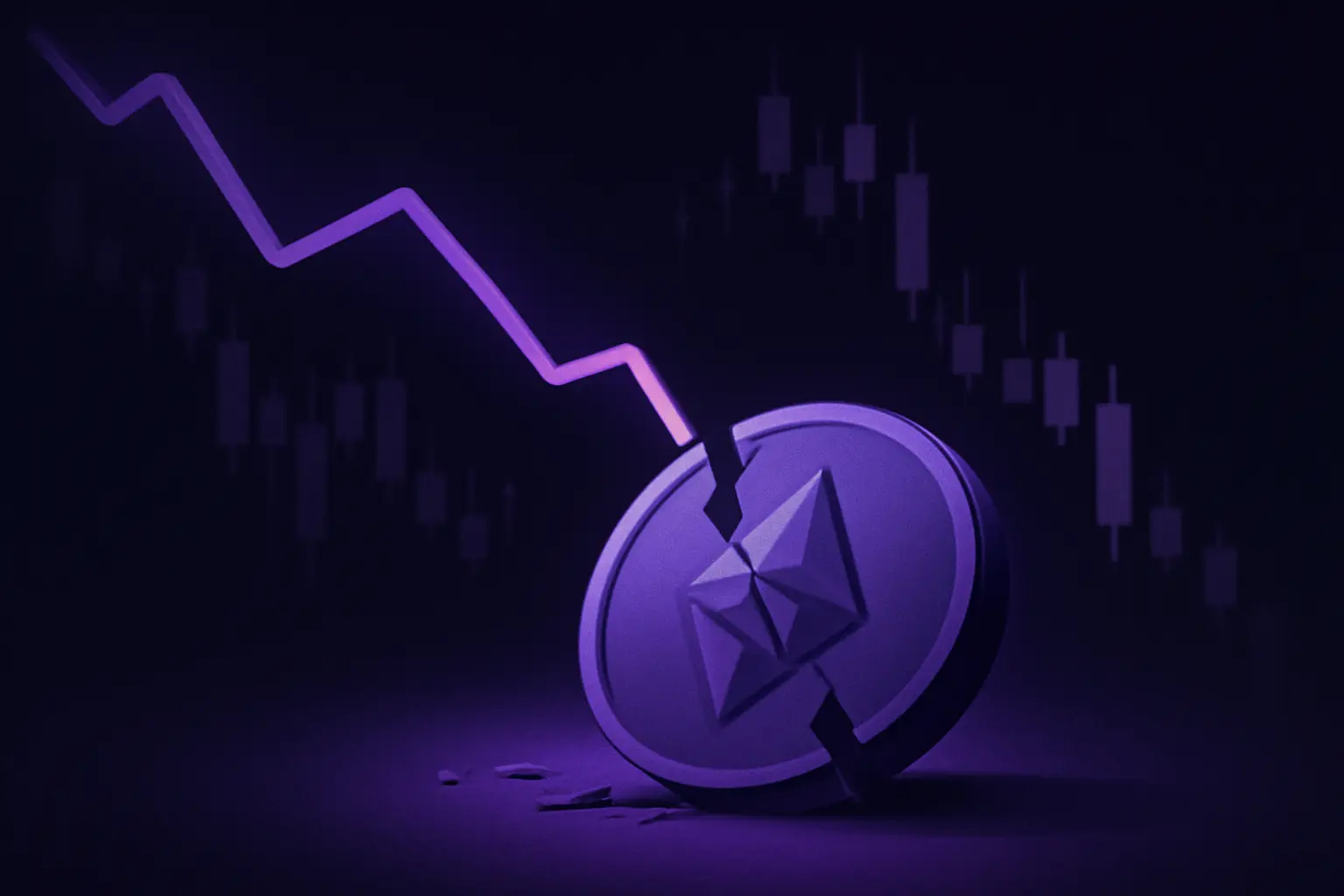
Blast, once a $2 billion Ethereum layer-2, is shutting down after assets plunged 98%. Rising costs and competition from Coinbase and Robinhood sealed its fate.
VNIX Quick Take
- Blast, an Ethereum layer-2 network that once held over $2 billion in crypto assets, is shutting down after its total value locked collapsed by 98%.
- The project struggled with fading user activity, rising operational costs, and intensifying competition from major platforms like Coinbase and Robinhood.
- The shutdown highlights the brutal economics of layer-2 scaling solutions and the growing dominance of well-capitalized players in the crypto infrastructure space.
Blast's $2B Ethereum Layer-2 Dream Ends in 98% Asset Collapse
Blast, an Ethereum layer-2 scaling network that once commanded more than $2 billion in crypto assets, is officially shutting down. The project's total value locked (TVL) has plummeted by 98% from its peak, rendering the network economically unviable. The closure marks one of the most dramatic downfalls of a high-profile layer-2 solution in recent years.
Launched with significant fanfare, Blast attracted billions in user deposits by offering native yield on ETH and stablecoins. At its height, it was among the largest layer-2 networks by TVL, competing with established players like Arbitrum and Optimism. However, the platform's fortunes reversed as activity dried up and costs mounted.
The shutdown reflects broader challenges in the layer-2 space, where dozens of networks vie for a limited pool of users and liquidity. With giants like Coinbase and Robinhood now building their own networks, smaller players face an uphill battle for survival. For traders, this serves as a stark reminder of the risks inherent in emerging crypto infrastructure.
Why Blast Couldn't Sustain Its Early Momentum
Fading User Activity and Rising Operational Costs
Blast's initial growth was fueled by a points-based airdrop program that incentivized deposits. Once the airdrop concluded, many users withdrew their funds, leading to a sharp decline in TVL. The network struggled to retain users, as competing layer-2s offered similar or better incentives and more robust ecosystems. Meanwhile, the operational costs of maintaining a secure and efficient layer-2 network—including sequencer fees, infrastructure, and development—continued to rise.
Without sufficient transaction volume, the economics of running the network became unsustainable. The project's treasury, which may have been used to subsidize operations, likely dwindled as revenue fell. This created a vicious cycle: fewer users led to higher per-user costs, which further discouraged adoption.
Competition from Coinbase, Robinhood, and Other Giants
The entry of major centralized platforms into the layer-2 arena has reshaped the competitive landscape. Coinbase's Base network and Robinhood's upcoming layer-2 offer users a seamless experience integrated with their existing brokerage and wallet services. These platforms leverage their massive user bases and deep pockets to attract developers and liquidity. For standalone projects like Blast, competing on features alone is no longer enough.
Moreover, the proliferation of layer-2 solutions has led to fragmentation. Users and developers are increasingly gravitating toward networks with the strongest network effects, leaving smaller chains struggling for relevance. This consolidation trend is likely to continue, with only a handful of layer-2s surviving in the long run.
Key Metrics to Watch as Blast Winds Down
As Blast begins its shutdown process, traders should monitor the migration of remaining assets to other networks. The speed and destination of these outflows could impact the liquidity and token prices of competing layer-2s. Additionally, any official announcements regarding the treatment of user funds and the timeline for withdrawals will be critical. For those holding assets on Blast, understanding the withdrawal process is paramount.
Beyond Blast, keep an eye on the TVL trends of other layer-2 networks. A significant shift could signal changing market sentiment toward specific ecosystems. Traders can track such metrics using on-chain analytics tools, and those new to crypto might benefit from educational resources to better interpret these signals. Always remember that past performance is not indicative of future results.
What Blast's Collapse Means for Crypto Traders
The demise of Blast underscores the importance of due diligence when interacting with any blockchain project. Even well-funded networks can fail if they cannot achieve sustainable adoption. Traders should assess factors like developer activity, community engagement, and revenue models before committing capital. Diversification across multiple protocols can help mitigate the risk of a single project's failure.
Furthermore, the shutdown highlights the evolving nature of the crypto infrastructure landscape. As big players like Coinbase and Robinhood enter the fray, the barrier to entry for independent layer-2s rises. This could lead to a more centralized ecosystem, which may have implications for decentralization and censorship resistance. Traders who value these principles might need to adjust their strategies accordingly.
From a trading perspective, events like this can create volatility in related assets. For instance, the native tokens of competing layer-2s might see increased demand if users migrate. However, it's essential to avoid knee-jerk reactions and instead focus on long-term fundamentals. Keeping a cool head and relying on data-driven analysis is key.
In VNIX's view
Blast's shutdown is a cautionary tale about the sustainability of incentive-driven growth in crypto. While the network briefly captured the market's imagination, it failed to build a lasting moat. The rise of Coinbase's Base and Robinhood's layer-2 signals a new phase where distribution and integration trump standalone innovation. Traders should watch for further consolidation in the layer-2 space, as only the most adaptable and well-resourced networks are likely to thrive.
Educational analysis, not financial advice. Trading involves risk.
Trade smarter with VNIX indicators
Clear entry, exit and risk signals right on your TradingView chart.