

Oil Tankers Keep Hormuz Open Despite Rising Iranian Attacks
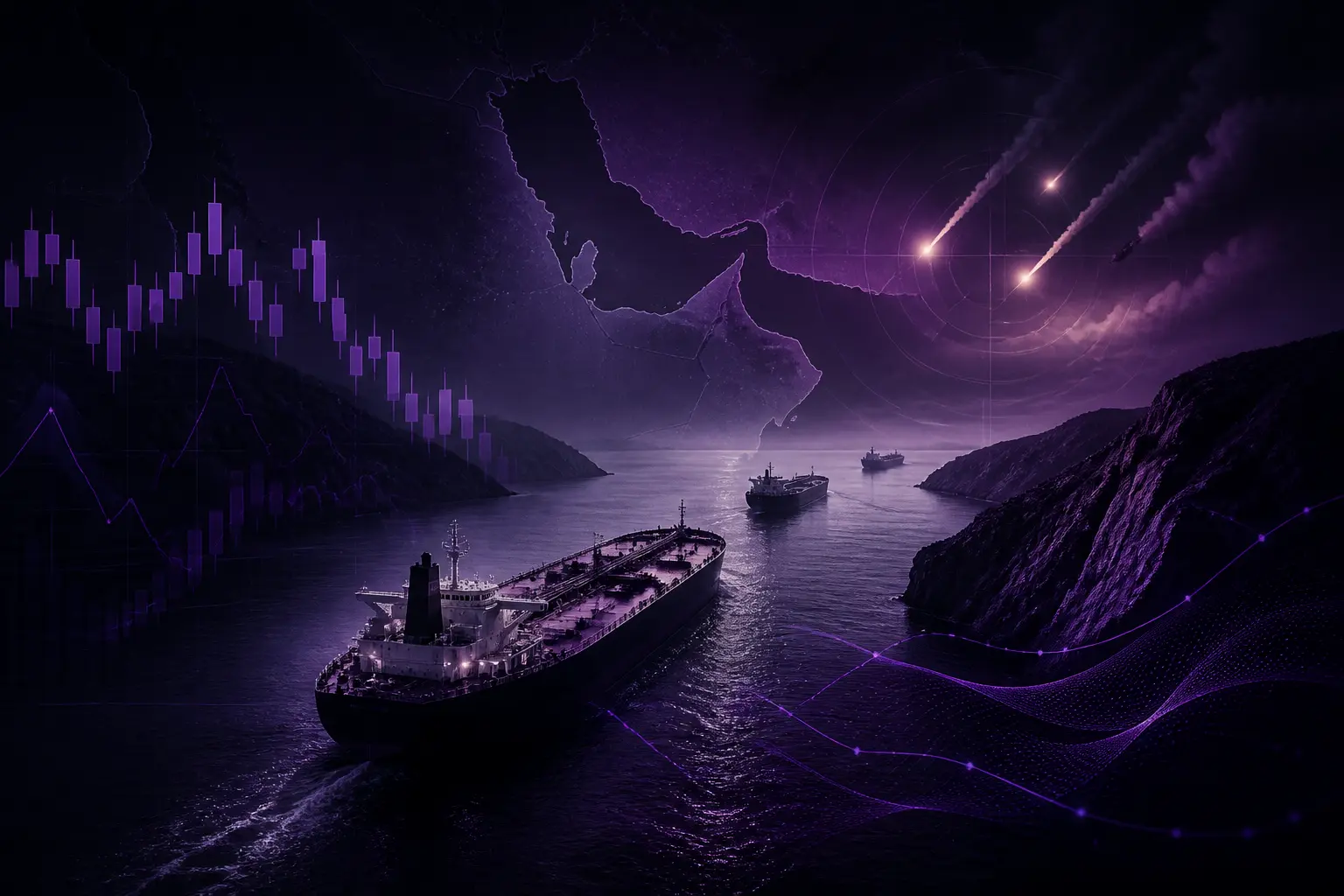
Tanker traffic through the Strait of Hormuz continues despite a sharp escalation in Iranian attacks, keeping crude oil flowing and markets on edge.
VNIX Quick Take
- Tanker operators are maintaining crude flows through the Strait of Hormuz even as Iranian attacks intensify, signaling resilience in global oil logistics.
- The strait remains the world's most critical oil chokepoint, with any disruption capable of sending crude prices sharply higher.
- Markets are watching for signs of escalation that could force insurers and shipowners to reassess risk, potentially tightening supply.
Strait of Hormuz Shipping Persists as Iranian Attacks Escalate
Tanker traffic through the Strait of Hormuz has continued without major interruption, according to industry reports, even as Iranian attacks in the region have sharply escalated. The waterway, which connects the Persian Gulf to the Gulf of Oman, is the world's most important oil transit chokepoint. Roughly one-fifth of global petroleum liquids consumption moves through it daily, making its uninterrupted operation vital to crude oil markets.
The decision by tanker operators to keep sailing reflects a calculated assessment that the risks, while elevated, remain manageable. Shipping associations and insurers have so far refrained from designating the strait as a no-go zone, which would trigger higher war-risk premiums and potentially halt flows. However, the situation remains fluid, and any further escalation could quickly alter that calculus.
For traders, the news underscores the market's sensitivity to geopolitical risk in the Middle East. Crude oil benchmarks, which had been relatively stable, could see increased volatility as headlines emerge. The live oil price reflects these tensions in real time.
Geopolitical Risk and Insurance Costs Drive Tanker Decisions
Insurance Premiums as a Barometer of Risk
War-risk insurance premiums for vessels transiting the Strait of Hormuz have likely risen in response to the attacks, though they remain below levels that would deter shipping. These premiums are a key indicator of perceived danger: when they spike, shipowners may reroute or demand higher freight rates, ultimately raising the cost of oil delivery. Traders can monitor insurance costs as an early warning signal of supply disruptions.
Additionally, the availability of naval escorts and the presence of international forces in the region provide a measure of security. Any reduction in patrols could embolden attackers and lead to a more significant disruption. The balance between risk and reward is delicate, and tanker operators are constantly evaluating whether the freight rates justify the hazard.
Supply Chain Resilience and Alternative Routes
While the Strait of Hormuz is the primary artery for Gulf oil exports, there are limited alternative routes. Pipelines such as the East-West Pipeline in Saudi Arabia and the Abu Dhabi Crude Oil Pipeline can bypass the strait but have limited capacity. If the strait were closed, the world would lose access to a significant portion of seaborne oil, and spare capacity elsewhere would be insufficient to fully compensate.
This lack of redundancy means that even the threat of disruption can tighten the market. Traders should consider the technical indicators that track supply and demand, such as inventory levels and refinery utilization, to gauge the market's vulnerability.
Key Levels and Assets to Watch in the Strait of Hormuz Standoff
Brent crude and WTI futures are the primary instruments to watch. A sustained increase in attacks or a successful strike on a tanker could push prices above recent resistance levels. Conversely, if tensions ease, prices may retrace. Keep an eye on the U.S. 10-year Treasury yield as a proxy for risk sentiment; geopolitical shocks often drive safe-haven flows into bonds, lowering yields.
Also monitor the performance of energy stocks and the U.S. dollar index. A stronger dollar can make oil more expensive for foreign buyers, potentially dampening demand. For those new to trading these assets, the classroom offers foundational resources on how geopolitical events impact markets.
Navigating Volatility in Oil Markets Amid Middle East Tensions
Traders should be prepared for heightened volatility. Geopolitical headlines can cause sharp, sudden moves, and liquidity may thin out during periods of stress. Position sizing and risk management become even more critical. Consider using options to define risk, as implied volatility in oil options may rise as the situation develops.
It's also important to differentiate between noise and genuine supply threats. Many attacks may be symbolic or aimed at military targets rather than oil infrastructure. The market's reaction will depend on whether the attacks disrupt actual flows. Watch for confirmation from shipping agencies and oil companies before reacting to headlines.
Finally, consider the broader macroeconomic context. Oil prices influence inflation, which in turn affects central bank policy. A sustained oil price spike could complicate the Fed's efforts to manage inflation, potentially leading to a more hawkish stance. This interplay adds another layer of complexity for traders. For community insights and trade ideas, visit the signal rooms.
In VNIX's view
The resilience of tanker traffic through the Strait of Hormuz is a testament to the market's ability to adapt to elevated risks, but it also highlights the fragility of the current situation. The balance between risk and reward is precarious, and any significant escalation could quickly alter the landscape. Traders should remain vigilant, using this period to assess their exposure to geopolitical shocks and to refine their risk management strategies.
Educational analysis, not financial advice. Trading involves risk.
Trade smarter with VNIX indicators
Clear entry, exit and risk signals right on your TradingView chart.