

US Bond Selloff Deepens as Oil Rally Fans Inflation Concerns
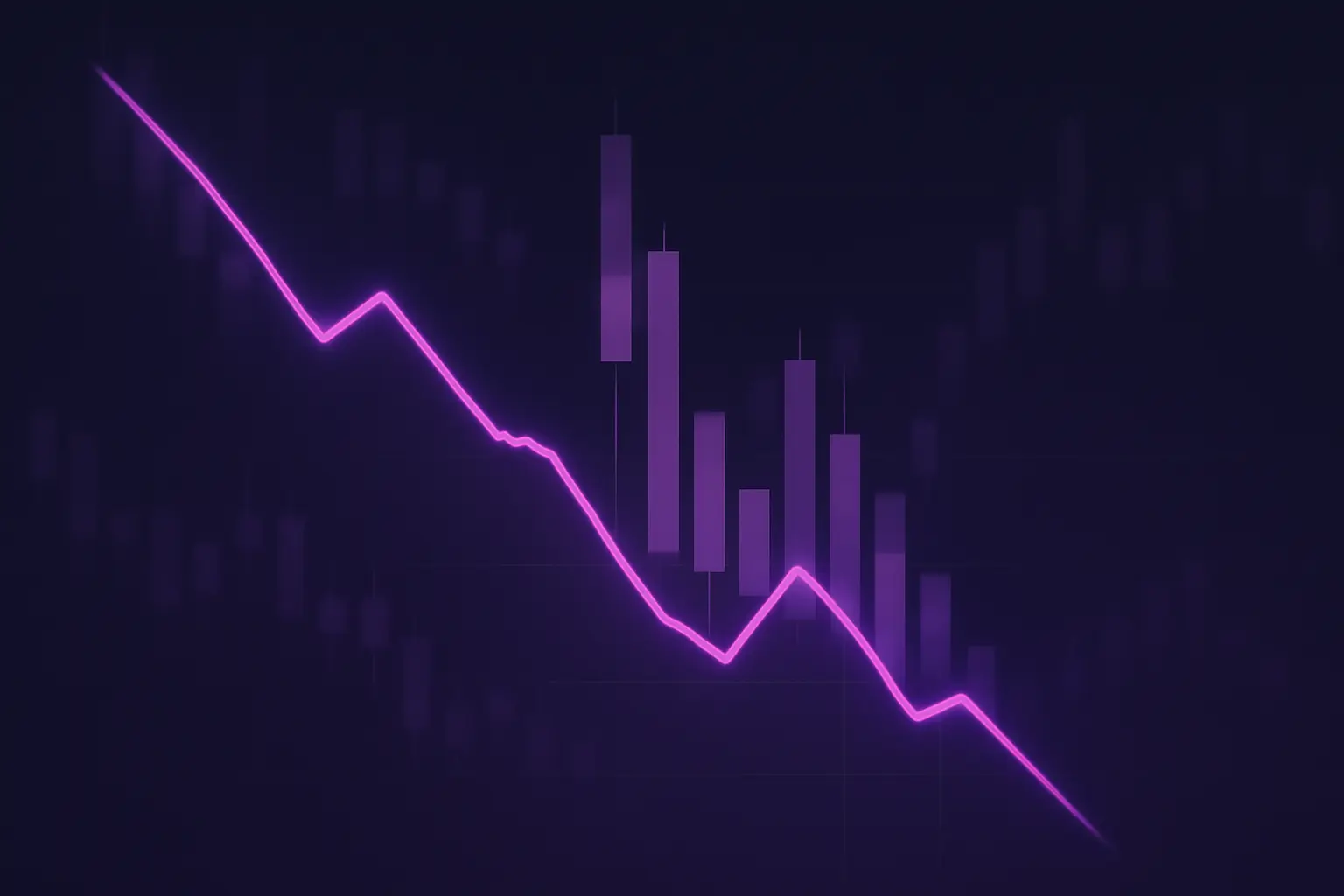
Rising crude prices stoke inflation worries, driving a sharp selloff in US Treasuries. Yields climb as traders reassess rate-cut expectations.
US 10Y yield spikes (>4.8%)
Typical directional bias by asset when this plays out — from the VNIX macro impact model. Educational, not financial advice.
VNIX Quick Take
- US Treasuries sold off as oil prices surged, reigniting inflation concerns.
- Long-dated yields climbed, reflecting reduced bets on aggressive Federal Reserve rate cuts.
- Energy-linked inflation risk complicates the Fed's path, pressuring rate-sensitive assets.
US Treasuries Slide as Crude Rally Stirs Inflation Jitters
US government bonds experienced a notable selloff as rising oil prices fueled fears that inflation may stay sticky. The move pushed yields higher across the curve, with longer-dated maturities bearing the brunt of the selling pressure. Traders interpreted the energy rally as a potential headwind to the Federal Reserve's easing cycle.
The market reaction underscores how sensitive fixed-income investors remain to any sign that price pressures could reaccelerate. With crude benchmarks climbing, the inflation premium embedded in bond yields expanded, prompting a repricing of the outlook for monetary policy.
What's Driving the Bond Market's Inflation Fears
Crude Oil's Upswing Reignites Price Pressure Concerns
Energy costs are a key input into consumer inflation, and a sustained rally in crude can ripple through the broader economy. The recent advance in oil prices comes at a time when headline inflation has shown some stickiness, raising the risk that disinflation progress stalls.
Traders are now weighing the possibility that higher energy costs could push the Fed to hold rates higher for longer, a scenario that typically hurts bond prices and lifts yields.
Fed Rate-Cut Bets Retreat as Market Adjusts
The CME FedWatch tool shows a diminished probability of a rate cut at upcoming meetings, as traders recalibrate expectations in light of the oil-driven inflation scare. This shift in policy expectations has been a primary catalyst for the Treasury selloff, as investors demand higher yields to compensate for delayed easing.
With the central bank emphasizing a data-dependent approach, any upside surprise in inflation metrics could further reduce the odds of near-term policy accommodation.
Key Levels to Watch in the Treasury Market
The 10-year Treasury yield is a critical benchmark for global finance. A break above recent resistance could signal deeper losses for bonds and potentially spill over into equities and other risk assets. Technical traders often use moving averages and relative strength index (RSI) on the yield chart to gauge momentum, but these tools are available through our technical indicators page.
Similarly, the 2-year yield, which is more sensitive to Fed policy expectations, will be closely monitored for confirmation of the rate trajectory. A sustained rise here would reinforce the narrative of a prolonged tightening bias.
Implications for Traders: Navigating Inflation-Driven Volatility
The current environment presents a classic dilemma: oil-driven inflation pressures conflict with signs of economic cooling. For traders, this means heightened volatility across asset classes, as data releases and energy price swings dominate sentiment.
Fixed-income traders may look to hedge duration risk or position for further yield increases, while equity investors could favor sectors less vulnerable to energy costs. Commodity-linked currencies and precious metals, such as gold, often react to these dynamics, offering diversification opportunities.
It's crucial to remember that inflation expectations are not solely driven by oil; wage data and shelter costs remain significant. Should these components show signs of easing, the market's inflation fears could quickly reverse. Staying informed through signal rooms can help traders gauge real-time sentiment shifts.
For those new to trading, understanding how macro factors like oil prices affect interest rates is fundamental. Our classroom offers resources to build this knowledge base.
In VNIX's view
The bond selloff reflects a market wrestling with conflicting signals: energy-driven inflation versus a slowing economy. Traders should brace for continued two-way volatility as the Fed navigates this delicate balance. Watching oil trends and inflation data will be key to anticipating the next major move.
Educational analysis, not financial advice. Trading involves risk.
Not sure which tool fits you?
Take the 2-minute quiz and get a personalized recommendation.