

Binance CSO Predicted $6.3B Hack Tactic Months Before Record Breach
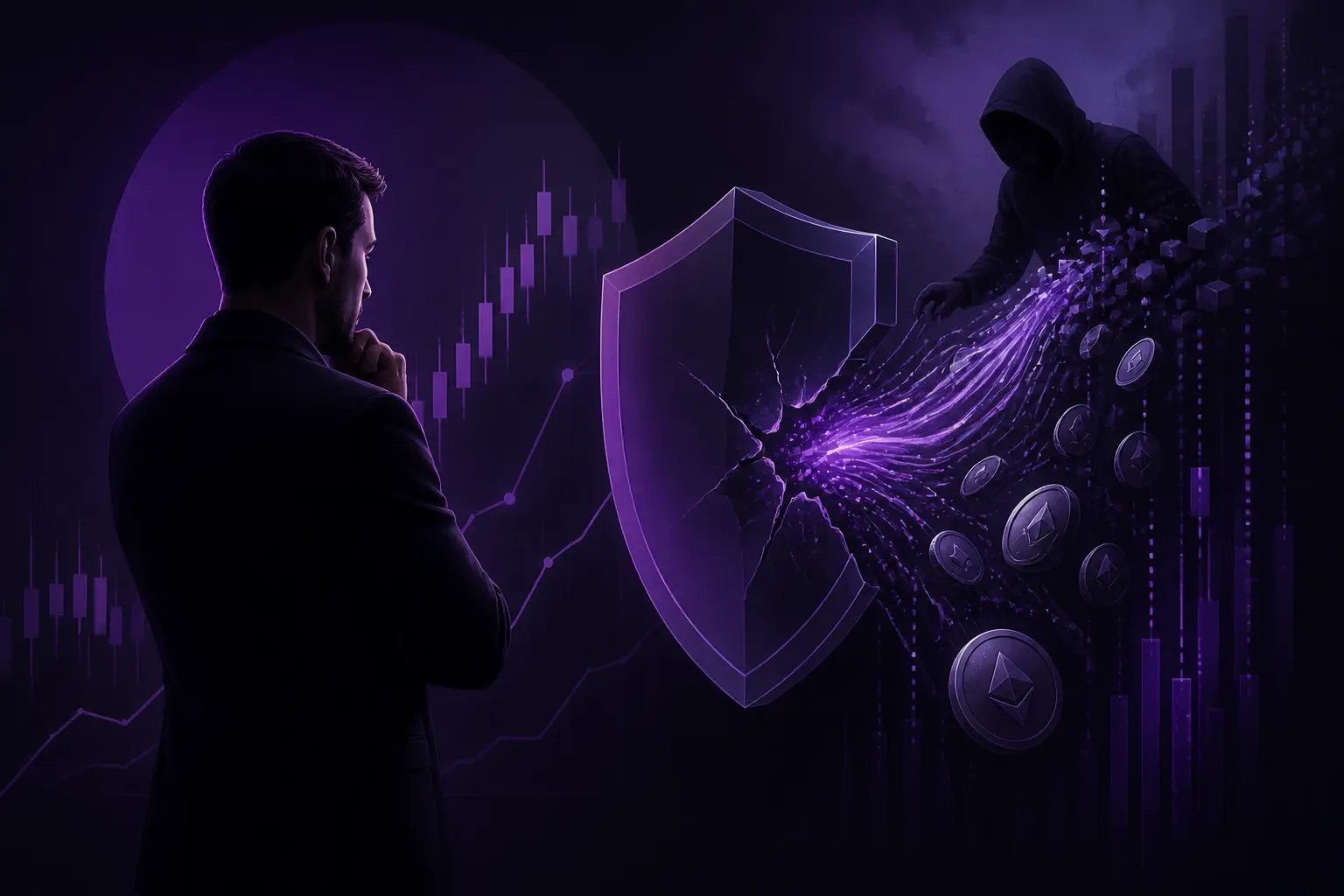
Months before Binance's $6.3B hack, its CSO warned how fake coding tests could compromise employee devices — the exact tactic later used.
VNIX Quick Take
- Binance CSO Jimmy Su described in July how fake coding assessments could infiltrate employee devices — a tactic later used in the $6.3B hack.
- The record-breaking breach highlights the rising threat of social engineering in crypto, where attackers exploit human trust rather than code flaws.
- Traders should treat exchange security as a core risk factor, not an afterthought, when choosing where to hold funds.
Binance CSO's July Warning Foreshadowed $6.3B Hack
In a July interview, Binance chief security officer Jimmy Su explained how attackers could use fake coding assessments to compromise employee devices. That exact tactic was later employed in the exchange's record-breaking $6.3 billion hack, according to the source. The breach, the largest in crypto history, underscores the growing sophistication of cyberattacks targeting centralized exchanges.
Su's comments, made months before the attack, highlighted a vulnerability that many in the industry had overlooked: the human element. While exchanges often fortify their technical infrastructure, employees remain a soft target. The incident has prompted renewed scrutiny of security protocols across the sector.
For traders, the news is a stark reminder that the platforms they trust with their assets are not invincible. As BTC and other digital assets continue to attract institutional and retail capital, the stakes of exchange security have never been higher.
Why Social Engineering Became the Attack Vector of Choice
The rise of fake recruitment traps
Fake coding assessments are a form of social engineering where attackers pose as recruiters or hiring managers, sending malicious files or links disguised as test materials. Once an employee downloads and runs the file, malware can infiltrate the device and potentially the corporate network. This method is particularly effective because it exploits natural curiosity and career advancement incentives.
In the Binance case, the tactic allowed attackers to bypass technical defenses by targeting individuals. Such attacks are difficult to detect because they often originate from seemingly legitimate sources and use common file types. Security teams must therefore educate employees and implement strict verification protocols for any unsolicited communication.
Exchange security gaps under the spotlight
The $6.3B hack has exposed potential gaps in how even top-tier exchanges handle operational security. While Binance has not disclosed specific details of the breach, the fact that a predicted tactic was successfully used suggests that warnings may not have translated into adequate safeguards. This raises questions about the balance between transparency and security in the industry.
Other exchanges are likely to review their own procedures, particularly around employee training and device management. Traders can monitor exchange announcements and security audits to gauge which platforms are proactive. For those new to the space, understanding these risks is part of the learning curve — see our classroom for foundational security tips.
Key Levels and Assets to Watch After the Binance Breach
Following the hack, market participants will watch BTC and ETH for signs of contagion. Historically, major exchange breaches have triggered short-term sell-offs as users move funds to safer venues. However, the long-term impact depends on Binance's response and whether customer funds are fully reimbursed.
On-chain metrics such as exchange netflows and stablecoin reserves can provide clues about depositor confidence. A spike in outflows from Binance may indicate distrust, while a stable balance could suggest that users are not panicking. Traders can use technical indicators like volume and volatility to assess market reaction.
What This Means for Traders: Security as a Risk Factor
The Binance hack serves as a case study in why security should be a non-negotiable criterion when selecting an exchange. Traders often focus on fees, liquidity, and user experience, but the safety of funds is paramount. Diversifying across multiple platforms and using hardware wallets for long-term holdings can mitigate counterparty risk.
Moreover, the incident highlights the importance of staying informed about security developments. Following community discussions and official announcements can help traders anticipate potential disruptions. It's also wise to enable all available security features, such as two-factor authentication and withdrawal whitelists.
For those looking to open accounts on multiple exchanges, compare broker and exchange options that prioritize security. Remember that no platform is entirely immune, so a risk management strategy that includes self-custody for large balances is prudent.
In VNIX's view
The Binance hack is a wake-up call for the crypto industry: security is not just about code, but about people. While the exchange's CSO had identified the threat, the breach suggests that implementation and vigilance are just as critical as awareness. Traders should treat exchange security as a dynamic risk factor, continuously reassessing where they store their assets.
Educational analysis, not financial advice. Trading involves risk.
ยังไม่รู้ว่าเครื่องมือไหนเหมาะกับคุณ?
ทำแบบทดสอบ 2 นาที รับคำแนะนำที่ตรงกับสไตล์การเทรดของคุณ