

Gold Price Update: XAU/USD Holds Steady on August 10, 2026
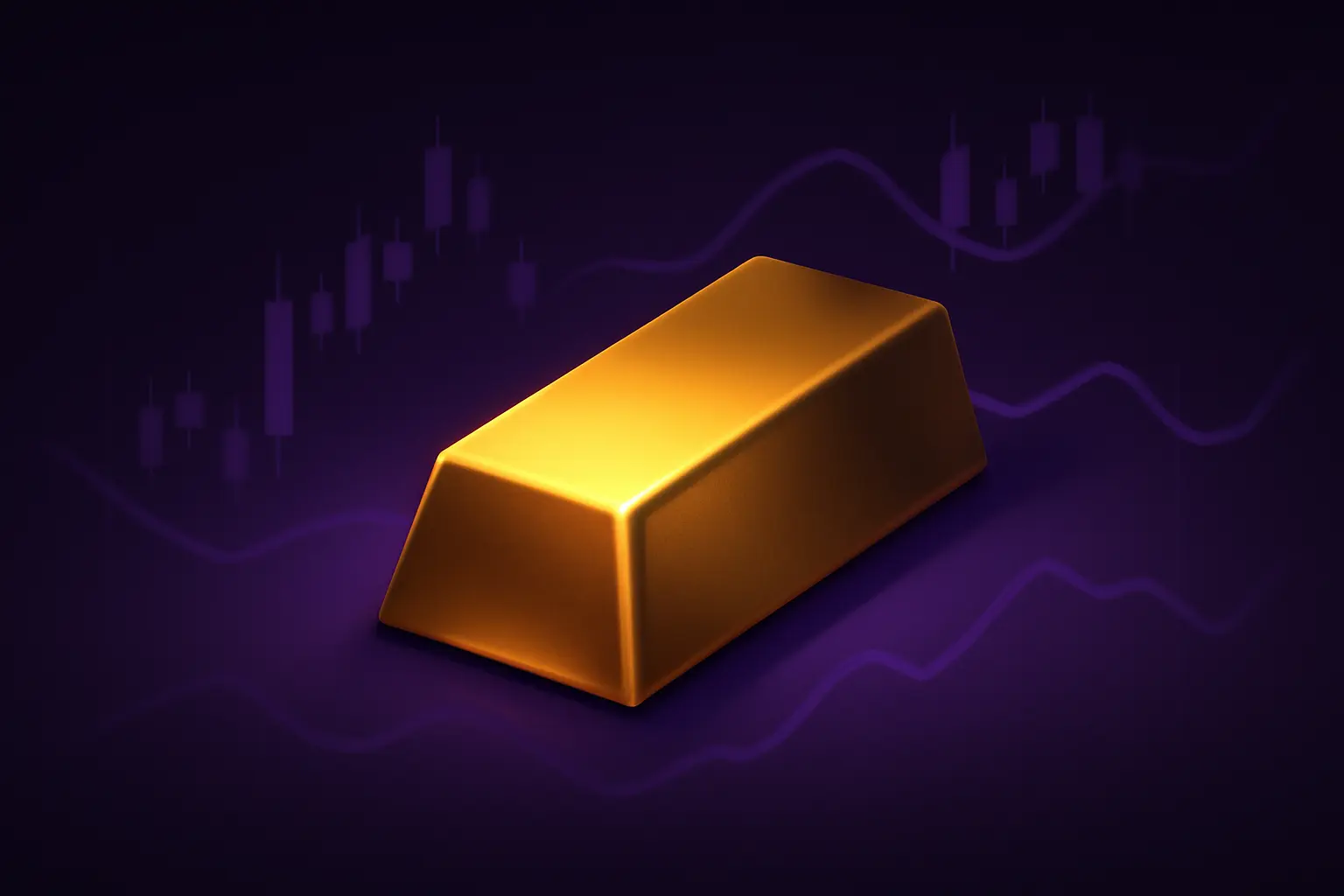
Gold prices remain stable as of August 10, 2026. Stay informed on the latest XAU/USD levels and market drivers.
VNIX Quick Take
- Gold (XAU/USD) trades in a narrow range as of August 10, 2026, reflecting market consolidation.
- Investors weigh macroeconomic data and central bank policy expectations for direction.
- Technical levels and upcoming economic releases are key for short-term gold traders.
Gold Holds Ground on August 10, 2026: XAU/USD Price Snapshot
As of August 10, 2026, the spot price of gold (XAU/USD) remains steady, with no significant intraday movement reported. The precious metal continues to trade within a well-defined range, as market participants digest a mix of economic signals and geopolitical headlines. The lack of a clear catalyst has kept gold buyers and sellers in a standoff, with the metal hovering near recent support and resistance levels.
Gold's stability comes after a period of volatility driven by shifting expectations for global monetary policy. While the Federal Reserve has signaled a patient approach, other central banks, including the European Central Bank and the Bank of Japan, have also adopted a cautious stance. This environment has been supportive for gold, as low yields and a softer dollar reduce the opportunity cost of holding non-yielding assets.
Traders are closely monitoring the precious metal's reaction to upcoming inflation data and employment figures, which could provide fresh momentum. According to live gold prices, the metal is trading near its 50-day moving average, a level that has historically acted as a pivot point.
What's Driving Gold's Recent Price Action?
Central Bank Policies and Real Yields
The primary driver of gold's price movement remains the trajectory of real interest rates. With the Federal Reserve holding rates steady and inflation gradually easing, real yields have remained subdued, providing a tailwind for gold. Markets are pricing in a potential rate cut in the coming months, which would further reduce the opportunity cost of holding bullion.
Central bank buying continues to underpin the market. According to the latest data, global central banks have been net purchasers of gold for over a year, adding to their reserves as a hedge against currency volatility and geopolitical risks. This institutional demand provides a solid floor under prices.
Geopolitical and Economic Uncertainty
Geopolitical tensions, including ongoing conflicts and trade disputes, have also supported safe-haven demand for gold. The metal's status as a store of value during times of uncertainty has been reinforced by recent events, prompting investors to maintain strategic allocations.
On the economic front, mixed manufacturing and services data have led to uncertainty about the global growth outlook. While some indicators point to resilience, others suggest a slowdown, keeping gold's appeal as a portfolio diversifier intact.
Key Levels to Watch in Gold for the Coming Sessions
For traders, the immediate focus is on gold's ability to break out of its current range. On the upside, a move above the recent swing high could open the door to further gains, while on the downside, a break below key support could trigger a retest of lower levels. Using technical indicators such as the Relative Strength Index (RSI) and moving averages can help identify potential entry and exit points.
It's essential to monitor the US dollar index and Treasury yields, as they share an inverse correlation with gold. A strengthening dollar or a spike in yields could pressure gold, while a weaker dollar or declining yields would likely support higher prices.
How Traders Should Approach Gold Right Now
Given the current consolidation, traders might consider range-bound strategies, buying near support and selling near resistance, while awaiting a breakout. However, it's crucial to use proper risk management, as gold can be susceptible to sudden volatility spikes on unexpected news.
Upcoming economic data, particularly US inflation figures, will be pivotal. A hotter-than-expected CPI could dampen rate-cut expectations and weigh on gold, while a cooler reading could boost the metal. Similarly, any surprises in employment data could shift the outlook.
For those new to trading, understanding the macro factors that influence gold is essential. The VNIX classroom offers comprehensive resources on how to analyze commodities and build a trading plan. Additionally, participating in signal rooms can provide real-time insights from experienced traders, helping you navigate the markets with more confidence.
Remember, gold trading involves significant risk, and it's important to only trade with capital you can afford to lose. If you haven't yet, consider opening a demo account with a reputable broker to practice your strategies before going live.
In VNIX's view
Gold's stability on August 10, 2026 reflects a market in wait-and-see mode, with traders looking for the next catalyst. The precious metal remains well-supported by central bank buying and subdued real yields, but a breakout will require fresh fundamental drivers. We recommend keeping a close eye on inflation data and key technical levels to gauge the next move.
Educational analysis, not financial advice. Trading involves risk.
เทรดแม่นขึ้นด้วยอินดิเคเตอร์ VNIX
สัญญาณเข้า-ออก-ความเสี่ยงที่ชัดเจน ตรงบนกราฟ TradingView ของคุณ