

Binance Hack Asset Freezes: Experts Split on Recovery for Smaller Victims
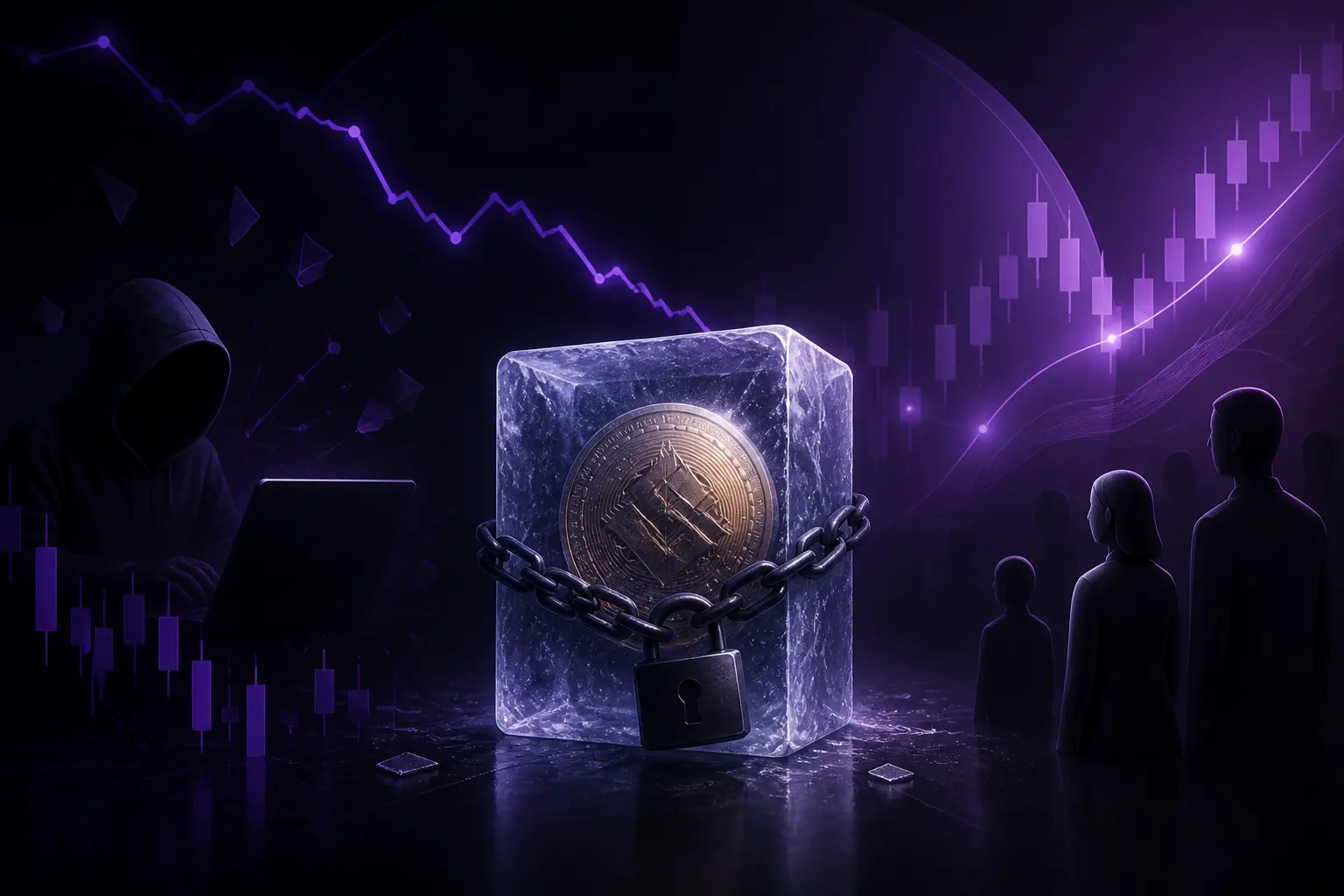
Tether and Circle froze billions in stolen crypto within hours, but legal experts question whether small victims would get the same swift protection.
VNIX Quick Take
- Tether and Circle moved within hours to freeze billions in crypto linked to a major Binance hack, showcasing the power of centralized stablecoin issuers.
- Legal experts are divided on whether smaller victims would receive the same rapid protection, raising concerns about equitable treatment in crypto.
- The episode highlights the growing role of stablecoin issuers as de facto first responders in crypto crime, with implications for traders holding assets on centralized exchanges.
Binance Hack Triggers Swift Stablecoin Freezes as Tether and Circle Block Billions
In the aftermath of a significant hack targeting Binance, stablecoin issuers Tether and Circle acted within hours to freeze billions of dollars worth of stolen cryptocurrency. The move, which involved blacklisting addresses associated with the attacker, demonstrated the unprecedented speed at which centralized entities can respond to large-scale thefts. According to reports, the frozen assets represent a substantial portion of the stolen funds, though the exact amount has not been disclosed.
The hack itself, which remains under investigation, is one of the largest in recent memory, underscoring the persistent security challenges facing even the most prominent exchanges. Binance has not released detailed information about the breach, but the swift action by stablecoin issuers suggests coordination between the exchange and the issuers. The incident has reignited debates about the trade-offs between decentralization and consumer protection in the crypto ecosystem.
For traders, the event serves as a stark reminder of the risks associated with holding assets on centralized platforms. While stablecoin freezes can mitigate losses for large victims, they also highlight the power that a handful of companies wield over the market. The coming days will likely bring more clarity on the extent of the hack and the effectiveness of the recovery efforts.
Why the Freezes Happened and What They Mean for Crypto Oversight
The Role of Centralized Stablecoin Issuers in Crisis Response
Tether and Circle, as the largest stablecoin issuers, have the technical ability to freeze funds at specific addresses. This power is typically used to comply with law enforcement requests or to prevent illicit activity. In this case, the issuers acted quickly, likely at the request of Binance or authorities, to prevent the attacker from moving the stolen funds. Such actions are becoming more common as stablecoins grow in prominence and regulators demand greater accountability from issuers.
However, the ability to freeze funds also raises questions about the level of control these companies have over the crypto economy. While the freezes may have prevented further losses, they also demonstrate that stablecoins are not immune to intervention. For traders, this means that holding stablecoins carries a unique set of risks and considerations, particularly in times of crisis.
Legal Experts Question Equity in Victim Protection
While the swift action by Tether and Circle may have saved billions for Binance and its large customers, legal experts are questioning whether smaller victims would receive the same treatment. The resources required to coordinate such freezes—legal, technical, and relational—are significant, and smaller players may lack the leverage to prompt similar responses. This disparity could exacerbate existing inequalities in the crypto space, where retail investors often have less recourse than institutional players.
Experts also point out that the recovery process is far from guaranteed. Even if assets are frozen, returning them to their rightful owners can be a lengthy and complex legal battle. The outcome may depend on jurisdiction, the cooperation of multiple parties, and the specifics of the hack. For now, the focus remains on securing the frozen funds and investigating the breach.
Key Levels and Assets to Watch After the Binance Hack
Traders should monitor the price action of major cryptocurrencies, particularly Bitcoin and Ethereum, as the market digests the news. Historically, large exchange hacks have led to short-term sell-offs, but the impact can be muted if the stolen funds are frozen and confidence is restored. The reaction of stablecoins like USDT and USDC will also be telling; any signs of depegging or redemption pressure could signal broader concerns about issuer stability.
Additionally, watch for any announcements from Binance regarding reimbursement or enhanced security measures. The exchange's ability to reassure users will be crucial in preventing a mass exodus. On-chain analysts will be tracking the movement of the frozen funds to see if the attacker attempts to launder them through other channels. For those looking to understand market reactions, our technical indicators can provide valuable context.
What This Means for Traders: Risk Management and Market Trust
The Binance hack and subsequent freezes underscore the importance of risk management for anyone trading crypto. Holding assets on exchanges exposes you to counterparty risk, including the possibility of hacks and the subsequent freezing of funds. While stablecoin issuers can act quickly, the recovery process is uncertain, and smaller traders may not have the same access to support. Diversifying custody solutions, such as using hardware wallets or decentralized platforms, can mitigate some of these risks.
Moreover, the event highlights the need for traders to stay informed about the regulatory and operational environment of the exchanges and stablecoins they use. Understanding who controls the assets and under what circumstances they can be frozen is part of a robust trading strategy. For those new to crypto, our classroom offers educational resources on these topics.
Finally, the hack may accelerate calls for greater oversight and coordination among exchanges, issuers, and law enforcement. Such developments could lead to more robust protections for all users, but they may also introduce new complexities. Traders should keep an eye on how this story evolves, as it could set precedents for how future incidents are handled. Engaging with the community in our signal rooms can provide additional perspectives and real-time updates.
In VNIX's view
The Binance hack and the rapid response from stablecoin issuers illustrate both the strengths and vulnerabilities of the current crypto infrastructure. While the ability to freeze stolen funds is a powerful tool for mitigating damage, it also concentrates significant power in the hands of a few centralized entities. This incident should prompt traders to reevaluate their custody practices and consider the broader implications for market integrity.
Educational analysis, not financial advice. Trading involves risk.
รับสัญญาณเทรดเรียลไทม์
จุดเข้า เป้าหมาย และจุดตัดขาดทุน สำหรับทองคำ คริปโต และฟอเร็กซ์ คัดสรรโดยทีมงาน