

Nvidia CEO Jensen Huang Resigns Amid Third Alleged Affair
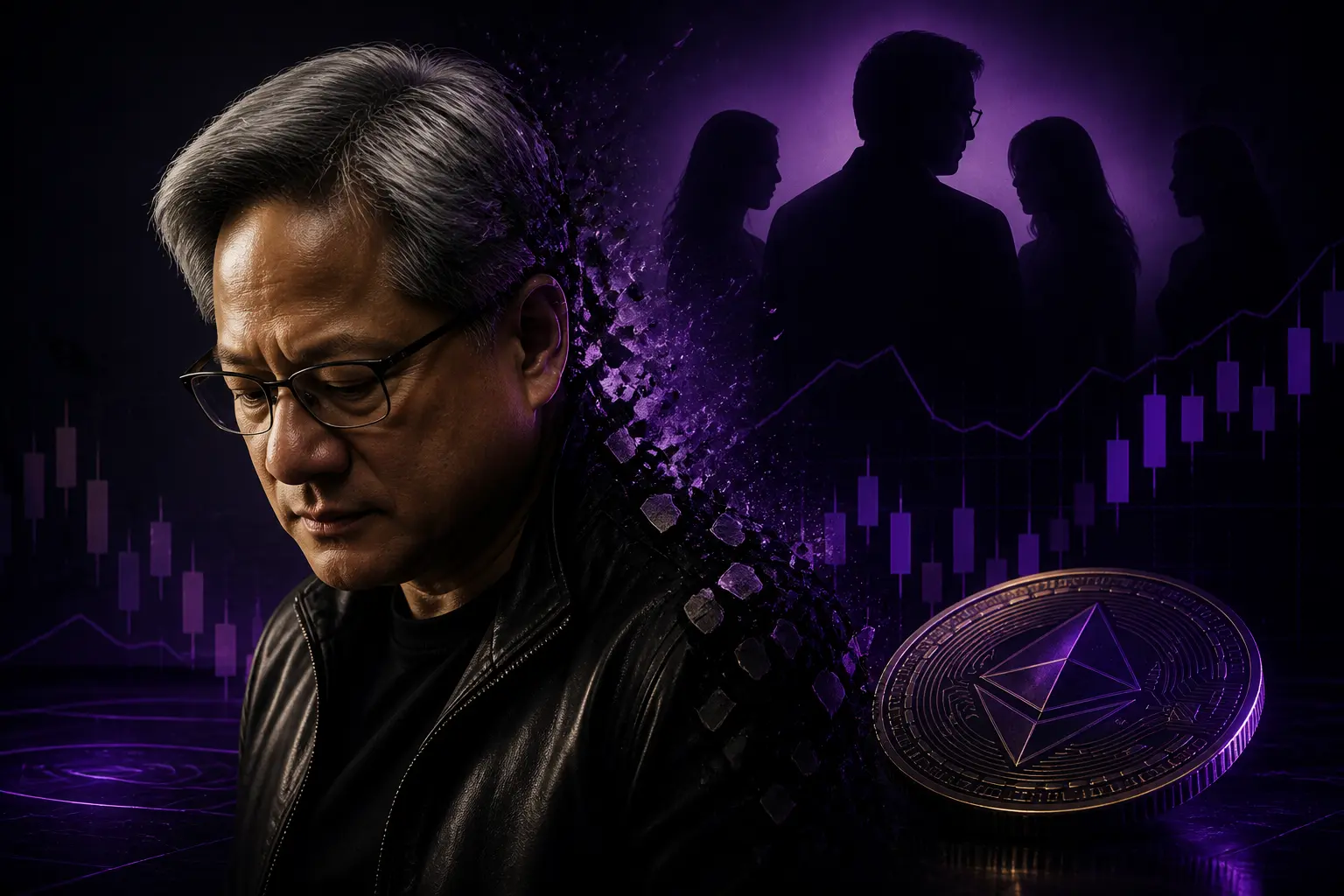
Jensen Huang resigned as Nvidia CEO after Reuters reported a third alleged affair with an employee. The scandal raises governance questions for the AI chip leader.
VNIX Quick Take
- Jensen Huang has resigned as CEO of Nvidia following a Reuters report of a third alleged affair with an employee.
- The disclosure adds to a series of workplace allegations that could pressure Nvidia's stock and reputation.
- Traders should watch for governance fallout and any impact on Nvidia's AI dominance.
Jensen Huang Steps Down as Nvidia CEO After Reuters Reports Third Alleged Affair
Jensen Huang has resigned from his role as chief executive officer of Nvidia, the world's leading designer of AI chips, according to a Reuters report published on Tuesday. The report alleges that Huang had a relationship with another Nvidia employee, marking the third such allegation against him. The resignation came hours after the Reuters story was published.
Nvidia, which has become a bellwether for the artificial intelligence boom, has seen its shares surge over the past year on demand for its graphics processing units. Huang, a co-founder of the company, had been the public face of the AI revolution, frequently appearing at industry events and earning a reputation as a visionary leader. The sudden departure raises questions about leadership stability at a critical juncture for the semiconductor giant.
The allegations, if proven, could expose Nvidia to legal and reputational risks. Workplace relationships between executives and employees are closely scrutinized under corporate governance guidelines, particularly when they involve power imbalances. Nvidia's board has not yet commented on the matter or announced an interim successor. The company's stock, which trades under the ticker NVDA, could face volatility as investors digest the news. For real-time pricing, see VNIX price now.
Governance and Leadership Risks Behind the Nvidia Selloff
Board Oversight and Succession Planning Under Scrutiny
The resignation highlights potential gaps in Nvidia's corporate governance, particularly regarding executive conduct and succession planning. While the board has likely been aware of the allegations, the rapid exit suggests limited contingency plans. Investors may question whether the board adequately addressed prior incidents and whether a clear interim leader is in place. Strong governance is a key factor for institutional investors, and any perceived weakness could weigh on the stock.
Additionally, the timing is delicate: Nvidia is navigating intense competition and geopolitical tensions affecting chip supply chains. A leadership vacuum could slow decision-making and strategic initiatives. Traders should monitor board statements and any regulatory filings for clues on interim leadership and potential investigations.
Reputational Damage and Employee Morale
Allegations of executive misconduct can erode trust among employees, partners, and customers. Nvidia relies on top engineering talent, and internal unrest could impact productivity and innovation. Moreover, key customers and suppliers may reassess partnerships if reputational risks grow. The company's brand, built on cutting-edge technology and ethical leadership, could suffer. In the tech sector, where talent is highly mobile, negative publicity can hamper recruitment and retention.
From a trading perspective, reputational crises often lead to short-term volatility but may not alter long-term fundamentals unless they trigger operational disruptions. However, repeated scandals can gradually erode investor confidence. For tools to gauge market sentiment, explore technical indicators.
Key Levels and Assets to Watch Around Nvidia's Leadership Shock
Nvidia's stock (NVDA) is likely to experience heightened volatility in the coming sessions. Key support and resistance levels can be identified using technical analysis, such as moving averages and volume profiles. The stock has been a market leader, so any weakness could spill over into the broader semiconductor sector and AI-related names. Additionally, watch for options activity, which may signal investor expectations of further moves. For a deeper dive into charting, visit our classroom.
Beyond Nvidia, the news could affect sentiment toward other tech giants with high-profile CEOs. Companies with concentrated leadership may see increased scrutiny. In the crypto space, AI-themed tokens could also react, given Nvidia's role in powering AI infrastructure. However, the primary impact is likely on Nvidia's own equity and related ETFs. Keep an eye on the Philadelphia Semiconductor Index (SOX) for sector-wide trends.
How Traders Can Navigate Nvidia's Leadership Uncertainty
Leadership changes often create short-term trading opportunities but also elevated risk. Traders should assess the likelihood of a permanent successor and the board's crisis response. A swift appointment of a respected interim CEO could stabilize the stock, while prolonged uncertainty may lead to further declines. It's crucial to differentiate between emotional reactions and fundamental impacts. Nvidia's core business remains strong, but execution risks rise without a clear leader.
Risk management is paramount: consider position sizing and stop-loss orders to protect against sudden gaps. Diversification across sectors can mitigate idiosyncratic risk. For those looking to trade, ensure you have a reliable broker account. Additionally, monitor news flow for any legal developments or board announcements, as these can trigger sharp moves.
In the longer term, the scandal could prompt a broader conversation about corporate governance in tech. Companies with robust succession plans and ethical cultures may be better positioned. Traders should incorporate governance factors into their analysis, as ESG considerations increasingly influence institutional flows. For community insights, check our signal rooms.
In VNIX's view
The sudden resignation of Jensen Huang introduces a new layer of uncertainty for Nvidia, a stock that has been a market darling. While the allegations are serious, the market's reaction will hinge on how quickly the board can restore confidence and present a credible transition plan. In the near term, expect volatility; in the long term, Nvidia's technological lead remains a key asset, but governance will be under a microscope.
Educational analysis, not financial advice. Trading involves risk.
ดูราคาทุกสินทรัพย์ในที่เดียว
ราคาทองคำ คริปโต ฟอเร็กซ์ และหุ้นสหรัฐแบบสด พร้อมฮีตแมป