

Gold Softens as Dollar Firms Ahead of US Inflation Data
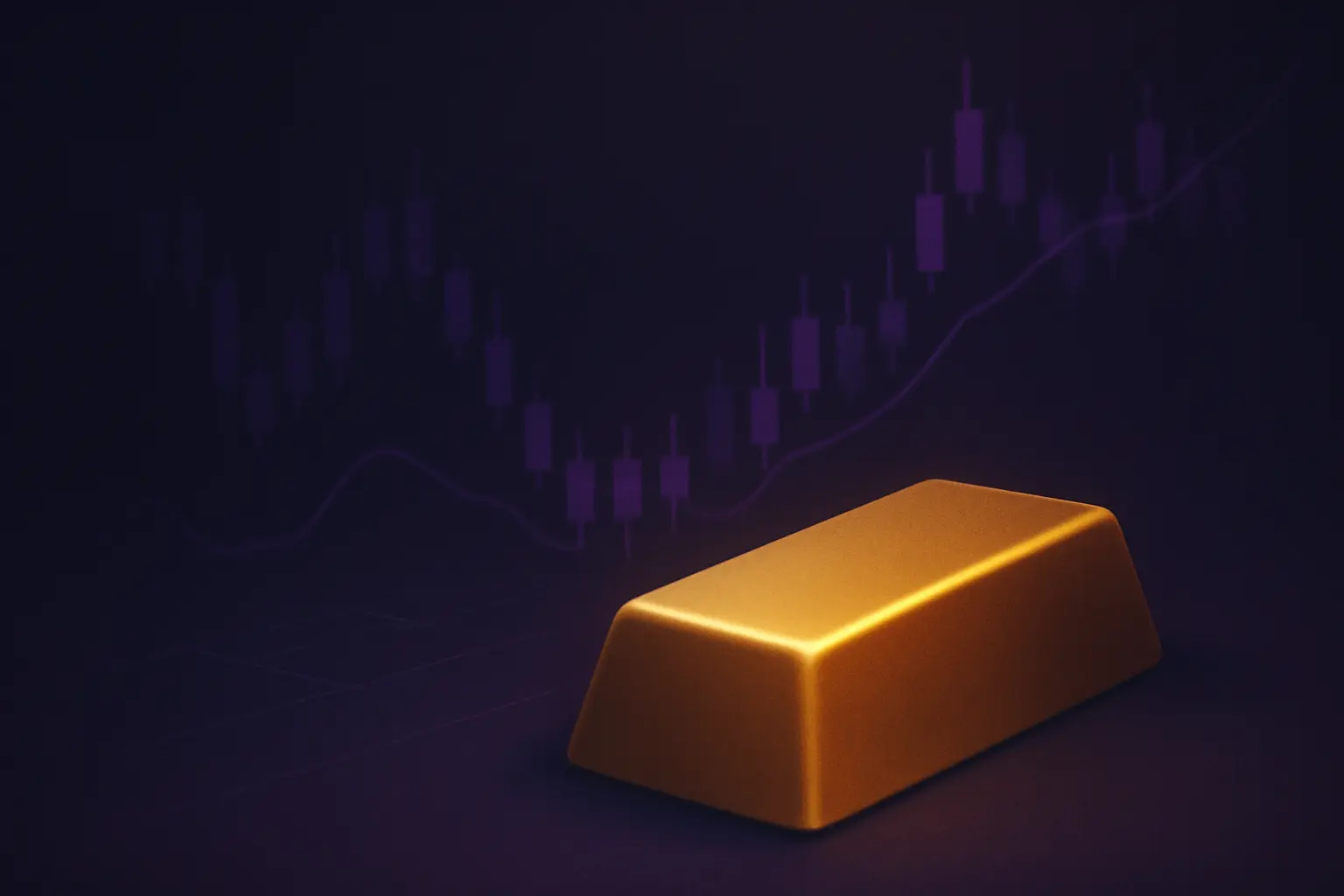
Gold prices eased on Monday as a stronger dollar pressured the metal, while traders await key U.S. inflation data that could influence Fed policy.
CPI — hotter than expected
Typical directional bias by asset when this plays out — from the VNIX macro impact model. Educational, not financial advice.
VNIX Quick Take
- Gold slips as dollar strengthens, with attention on upcoming U.S. inflation figures.
- Inflation data could shape Fed rate expectations and near-term gold direction.
- Key levels to watch: $2,300 support and $2,400 resistance.
Gold Eases as Dollar Strengthens, Inflation Data in Focus
Gold prices edged lower on Monday, pressured by a firmer U.S. dollar, as market participants turned their attention to a highly anticipated U.S. inflation report due later this week. The precious metal, which is denominated in dollars, often moves inversely to the greenback, making it more expensive for holders of other currencies when the dollar appreciates.
The decline comes amid a broader wait-and-see approach in financial markets, with investors reluctant to make large bets ahead of the inflation data. The report is expected to provide fresh clues on the Federal Reserve's monetary policy path, which has been a key driver of gold's performance in recent months.
Spot gold traded around $2,350 per ounce, down from recent highs, though it remains within a well-established range. The metal has been consolidating after a strong rally earlier this year, supported by safe-haven demand and expectations of eventual rate cuts. For real-time pricing, see VNIX price now.
Dollar Strength and Fed Policy Expectations Weigh on Gold
Dollar Firms as Traders Await Inflation Clues
The U.S. dollar index, which measures the greenback against a basket of major currencies, advanced on Monday, exerting downward pressure on gold. A stronger dollar typically makes commodities priced in dollars more expensive for overseas buyers, reducing demand. The dollar's rise comes as market participants position for the inflation data, which could influence the Fed's next move.
Recent economic indicators have painted a mixed picture, with some showing resilience in the U.S. economy while others suggest a slowdown. This uncertainty has kept the dollar supported, as investors seek safety in the world's reserve currency. For traders monitoring currency trends, our technical indicators can provide additional context.
Inflation Data to Shape Rate Cut Timeline
The upcoming U.S. inflation report is critical for gold because it could alter expectations for when the Federal Reserve will begin cutting interest rates. Higher inflation typically boosts gold's appeal as a hedge, but it also raises the prospect of tighter monetary policy, which can strengthen the dollar and weigh on the metal. Conversely, softer inflation could reinforce expectations of rate cuts, potentially weakening the dollar and supporting gold.
Market participants are currently pricing in a chance of a rate cut later this year, but the timing remains uncertain. The inflation data will be scrutinized for any signs that price pressures are easing toward the Fed's 2% target. A hotter-than-expected reading could delay rate cuts and strengthen the dollar further, while a cooler print might revive gold's upward momentum. For a deeper understanding of how economic data impacts markets, explore our classroom resources.
Key Levels and Assets to Monitor
Traders are watching key technical levels in gold, with support around $2,300 and resistance near $2,400. A break below support could signal further downside, while a move above resistance might indicate renewed bullish momentum. The dollar index and U.S. Treasury yields are also on the radar, as they often influence gold's direction.
Additionally, other precious metals such as silver and platinum may react to the same drivers. Silver, in particular, often follows gold but with higher volatility. For those looking to trade these markets, a broker account is essential. It's also wise to keep an eye on geopolitical developments, which can spur safe-haven demand for gold.
Navigating Gold's Next Move: What Traders Should Consider
Gold's reaction to the inflation data will likely hinge on how it shifts the interest rate outlook. If the data suggests inflation is cooling, expectations for rate cuts could rise, potentially weakening the dollar and boosting gold. However, if inflation remains stubborn, the Fed may keep rates higher for longer, supporting the dollar and pressuring gold. Traders should also consider the broader economic context, including global growth concerns and central bank buying, which have provided a floor for gold prices.
Risk management is crucial in this environment, as volatility may spike around the data release. Using stop-loss orders and position sizing can help mitigate potential losses. For those new to trading, our quiz can help identify your risk tolerance and trading style. It's also important to avoid overleveraging, as gold can be highly sensitive to macroeconomic shifts.
Looking ahead, the inflation report is just one of several key events that could impact gold. Subsequent Fed meetings, jobs reports, and GDP data will also play a role. Traders should remain flexible and adapt their strategies as new information emerges. Joining a signal room can provide real-time insights and community perspectives, but always verify information independently.
In VNIX's view
Gold's near-term direction is heavily dependent on the upcoming U.S. inflation data, which will likely dictate the dollar's next move and, by extension, gold's appeal. While the metal remains supported by longer-term factors like central bank demand and geopolitical risks, a strong inflation print could trigger a short-term sell-off. Traders should prepare for volatility and focus on key levels to manage risk effectively.
Educational analysis, not financial advice. Trading involves risk.
ดูราคาทุกสินทรัพย์ในที่เดียว
ราคาทองคำ คริปโต ฟอเร็กซ์ และหุ้นสหรัฐแบบสด พร้อมฮีตแมป