

Minnesota Crypto ATM Ban Takes Effect After $1M in Scam Losses
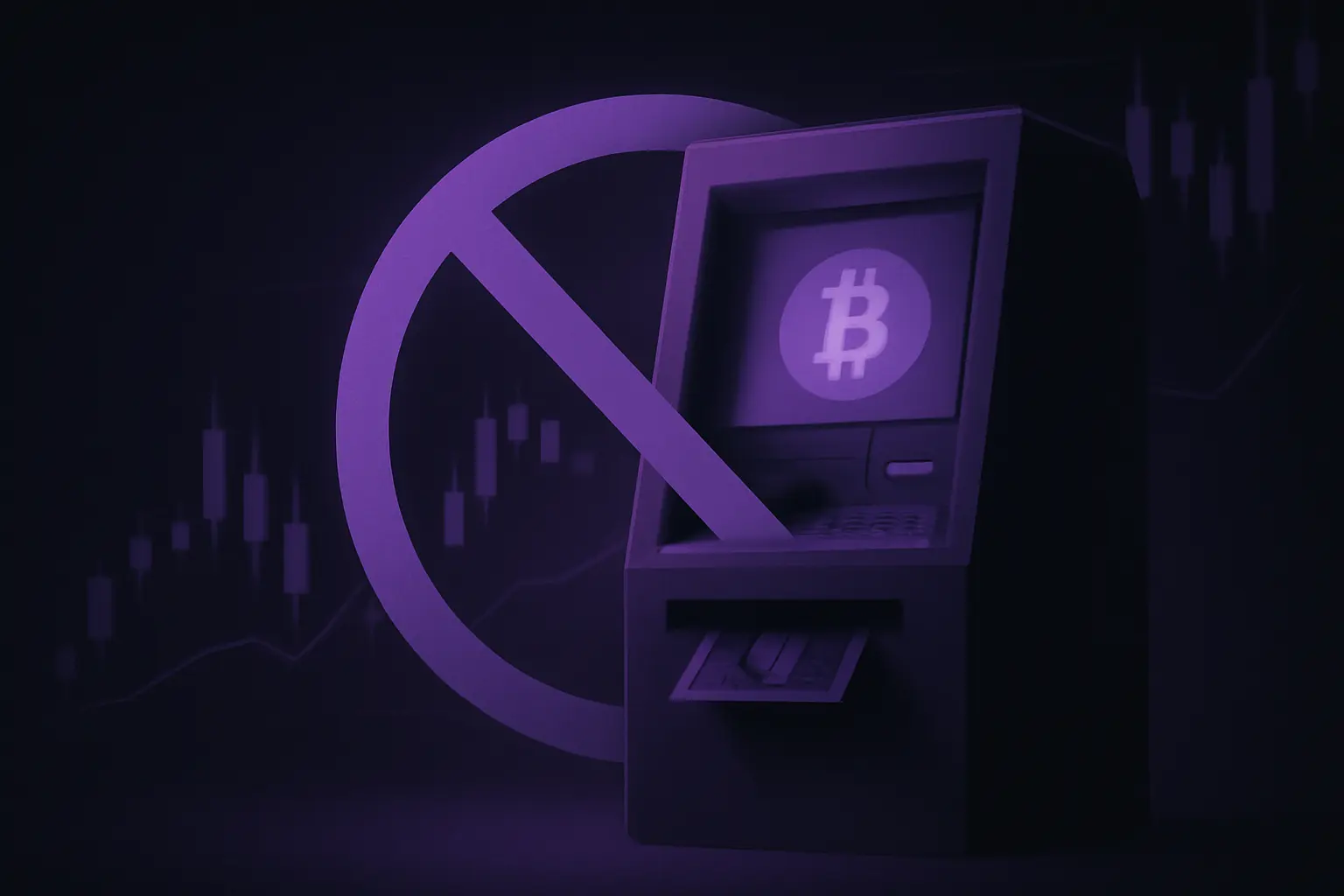
Minnesota's new crypto ATM restrictions are now active following $1M in reported scam losses, largely targeting seniors. Learn what changed and how to stay safe.
VNIX Quick Take
- Minnesota's crypto ATM ban is now in effect after state officials reported roughly $1 million in losses from kiosk-related scams between 2023 and 2025.
- Senior citizens were disproportionately affected, prompting stricter operational rules for crypto kiosks in the state.
- Traders and crypto users should review compliance changes and consider safer transaction methods.
Minnesota Enforces Crypto ATM Restrictions Following $1M in Reported Scams
Minnesota has officially implemented its crypto ATM ban, a regulatory move driven by state officials' reports that residents lost about $1 million to scams linked to crypto kiosks from 2023 to 2025. The losses, which largely hit senior citizens, spurred the state to impose tighter controls on these machines.
The new rules aim to curb fraudulent activity by limiting how crypto ATMs operate within the state. While the term 'ban' suggests a total prohibition, the actual measures involve stricter operational requirements—such as transaction limits and enhanced identity verification—rather than an outright removal of all machines.
For context, crypto ATMs have grown in popularity as a bridge between fiat and digital assets, but they've also become a vector for scams, especially targeting less tech-savvy individuals. Minnesota's action reflects a broader regulatory trend as states grapple with protecting consumers while fostering innovation.
What Drove Minnesota to Act? The Scam Epidemic Behind the New Law
Senior Citizens: Primary Targets of Crypto Kiosk Fraud
State officials highlighted that senior citizens were the most vulnerable group, often lured by fake investment opportunities or impersonation schemes that directed them to deposit cash into crypto ATMs. These machines allow quick conversion of cash to cryptocurrency, which is nearly irreversible, making them attractive to scammers.
The $1 million figure represents documented losses over a two-year period, and officials believe actual numbers could be higher due to underreporting. This pattern mirrors national trends, where crypto ATM fraud has surged, prompting calls for federal oversight.
Regulatory Response: Balancing Innovation and Consumer Protection
Minnesota's approach includes mandatory licensing for kiosk operators, daily transaction caps, and clear warnings displayed on machines. These measures are designed to reduce the speed and anonymity that scammers exploit, while still allowing legitimate users to access crypto services.
The state's decision aligns with recommendations from consumer protection agencies, which have urged stricter oversight of crypto kiosks. Other states are watching closely, and similar legislation could follow if Minnesota's model proves effective.
Key Levels to Watch: Compliance, Transaction Limits, and Market Impact
For traders and crypto enthusiasts, the immediate impact is operational. If you're in Minnesota, expect lower daily withdrawal/deposit limits at kiosks and more rigorous ID checks. These changes could affect liquidity for cash-to-crypto conversions, but they don't alter the underlying market dynamics of Bitcoin or other major assets.
On a broader scale, regulatory actions like this can influence sentiment. However, the crypto market is driven by macro factors—so while this news is relevant for compliance, it's unlikely to move prices significantly. Keep an eye on real-time crypto prices to gauge any short-term reactions.
What This Means for Traders: Navigating a Tightening Regulatory Landscape
For traders, this regulation underscores the importance of using compliant and secure channels for crypto transactions. While crypto ATMs offer convenience, they come with higher fees and now, tighter restrictions in Minnesota. Consider alternatives like regulated exchanges, which often provide better rates and stronger consumer protections.
From a risk perspective, the ban highlights the growing scrutiny on crypto's on-ramps. As governments crack down on fraud, expect more jurisdictions to impose similar rules. This could lead to a fragmented regulatory environment, where the ease of buying crypto varies significantly by location.
Traders should also view this as a reminder to stay educated about the tools they use. Learning to identify scam patterns—like unsolicited investment pitches or urgent requests for cash—can protect your capital. Our beginner guides offer practical tips on safe crypto practices, and you can discuss strategies with peers in our community rooms. If you're looking to trade, compare options at trusted brokers to ensure you're using regulated platforms.
Ultimately, while this ban is a local event, it's part of a larger narrative of crypto maturing as an asset class. Regulatory clarity, even when restrictive, can pave the way for more institutional adoption in the long run.
In VNIX's view
Minnesota's move is a logical response to a real problem, but it's a band-aid, not a cure. The $1M in losses represents a fraction of crypto fraud overall, and scammers will adapt. For traders, the key takeaway is to prioritize security and regulatory compliance in every transaction. This isn't a market-moving event, but it's a sign of the times—crypto is being held to higher standards, and that's ultimately healthy for the industry.
Educational analysis, not financial advice. Trading involves risk.
ยังไม่รู้ว่าเครื่องมือไหนเหมาะกับคุณ?
ทำแบบทดสอบ 2 นาที รับคำแนะนำที่ตรงกับสไตล์การเทรดของคุณ