

Oil Futures Retreat as Traders Weigh Middle East Diplomacy Hopes
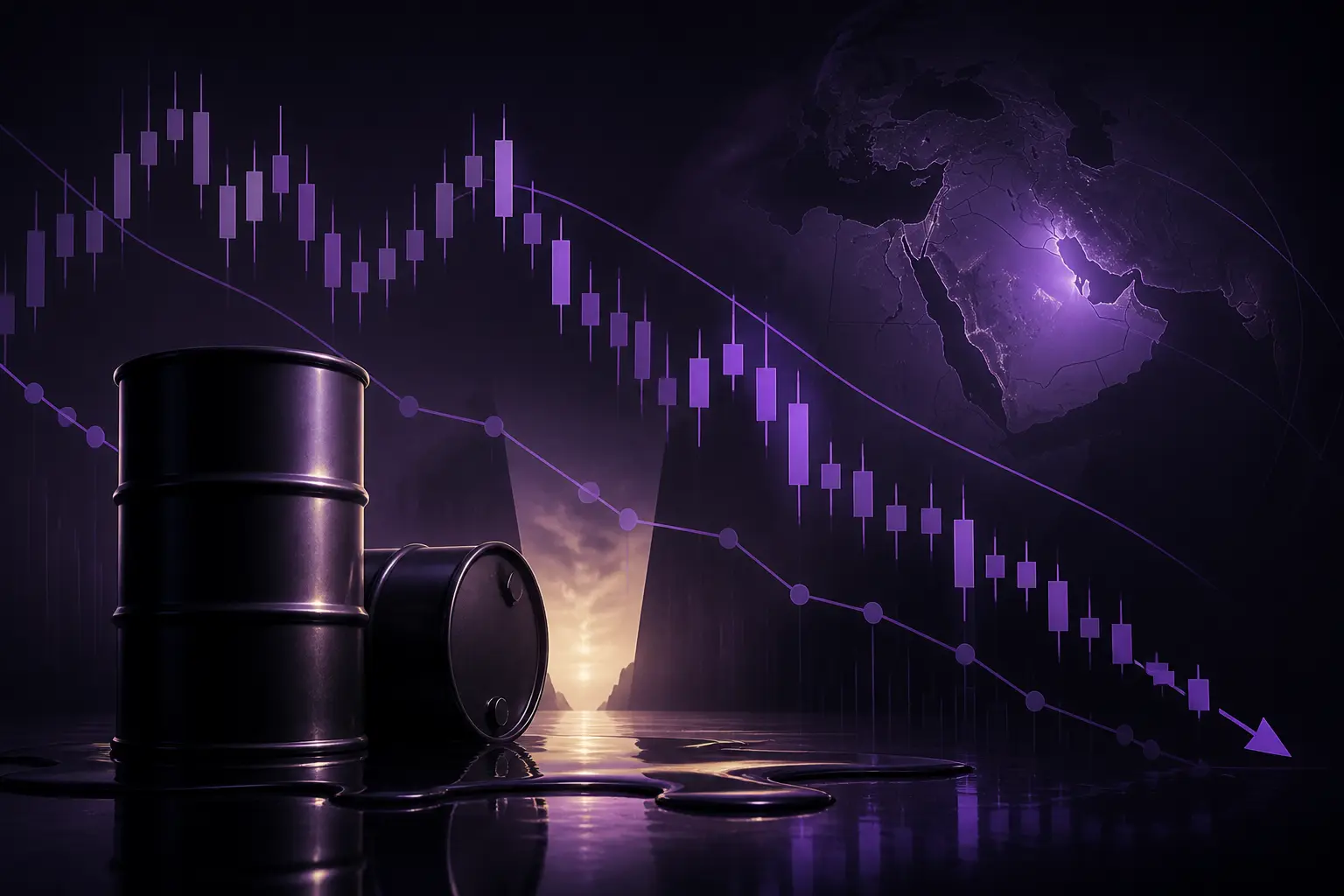
Oil futures slid as expectations of progress in Middle East diplomacy eased supply concerns, with traders monitoring headlines for direction.
VNIX Quick Take
- Oil futures moved lower as diplomatic efforts in the Middle East raised the possibility of reduced supply risk.
- Headlines on cease-fire talks are driving sentiment more than fundamentals, keeping volatility elevated.
- Key levels to watch include recent swing highs and the psychological $80 mark on WTI.
Oil Futures Slide as Middle East Diplomacy Hopes Cool Supply Fears
Crude oil futures fell on Monday as traders focused on diplomatic efforts in the Middle East that could ease geopolitical tensions and reduce the risk of supply disruptions. The move lower reflects a market that had priced in a significant geopolitical risk premium, which is now being partially unwound as hopes for a peaceful resolution gain traction.
While the exact decline varied by contract, the front-month WTI and Brent benchmarks both retreated, with market participants citing headlines around cease-fire negotiations as the primary catalyst. The shift highlights how sensitive oil prices remain to developments in the region, which holds a substantial share of global production capacity and transit routes.
Against this backdrop, the live oil price has become a real-time gauge of geopolitical sentiment, with each headline triggering sharp intraday moves. For traders, understanding the interplay between diplomacy and supply risk is crucial, as the market can reverse quickly if talks stall or violence escalates.
Geopolitical Risk Premium and Demand Uncertainty Drive the Retreat
Diplomatic Progress Unwinds the Geopolitical Risk Premium
The primary driver of the sell-off is the unwinding of the geopolitical risk premium that had built up over recent weeks. When tensions flare in the Middle East, traders typically bid up oil as a hedge against potential supply disruptions. As diplomatic efforts advance, that premium erodes, prompting longs to exit and pushing prices lower. This dynamic is not new; oil markets have a long history of reacting to Middle East conflicts, with price spikes often followed by retracements as the situation evolves.
However, the premium is not entirely removed. The market remains cautious because any breakdown in talks could quickly reignite supply fears. This two-way risk is why oil volatility remains elevated, and why traders should monitor headlines closely. The technical indicators on oil charts can help identify shifts in momentum as the news flow evolves.
Demand Concerns and Inventory Data Add to Bearish Sentiment
Beyond geopolitics, oil prices are also under pressure from lingering concerns about global demand, particularly from China and Europe. Recent economic data has been mixed, and traders are wary that a slowdown could weigh on crude consumption. Additionally, upcoming inventory reports from the U.S. Energy Information Administration (EIA) and OPEC+ production decisions are on the radar, with any build in crude stocks likely to reinforce the bearish tone.
The interplay between supply risks and demand uncertainties creates a complex backdrop for oil traders. While geopolitical headlines can cause sharp short-term moves, the longer-term trend will depend on fundamental factors such as inventory levels, production discipline, and macroeconomic growth. Keeping an eye on community trade ideas can provide additional perspective on how other traders are positioning.
Key Levels and Assets to Watch in Oil Markets
From a technical perspective, traders are watching key levels on both WTI and Brent. For WTI, the $80 per barrel mark remains a psychological barrier; a sustained break below could signal further downside, while a bounce could indicate resilience. Recent swing highs around $85 and swing lows near $75 provide additional reference points. Brent, meanwhile, has been trading in a range between $82 and $88, with the midpoint around $85 serving as a pivot.
In addition to price levels, market participants are monitoring the spread between WTI and Brent, which can reflect regional supply-demand dynamics. A widening spread might indicate localized tightness or oversupply, offering clues about the broader market. For those looking to trade oil, understanding these nuances is essential, and using educational resources can help build the necessary analytical skills.
How Traders Can Navigate the Headline-Driven Oil Market
In an environment where headlines dominate, traders should focus on risk management and avoid overreacting to single news items. The oil market is notoriously volatile, and knee-jerk reactions can lead to losses. Instead, a disciplined approach involves assessing the credibility of diplomatic reports, watching for confirmation from multiple sources, and considering the broader context of supply and demand.
One strategy is to use options to define risk, as implied volatility tends to rise during geopolitical tensions. Alternatively, traders might wait for technical confirmation before entering positions, such as a break of key support or resistance levels. It's also important to keep an eye on correlated assets, such as the U.S. dollar and equity markets, which can influence oil prices through their impact on global growth expectations.
Finally, traders should remember that geopolitical events often have a short-term impact, and prices can revert to fundamentals once the immediate risk fades. Staying informed about inventory data, OPEC+ decisions, and economic indicators will help separate noise from signal. For beginners, starting with a trading style quiz can help identify a suitable approach before committing capital.
In VNIX's view
The oil market is currently caught between geopolitical risk and demand uncertainty, with diplomacy headlines acting as the primary swing factor. While the path of least resistance appears lower in the near term, any escalation in the Middle East could quickly reverse the trend. Traders should remain flexible and prioritize risk management over directional bets.
Educational analysis, not financial advice. Trading involves risk.
เทรดแม่นขึ้นด้วยอินดิเคเตอร์ VNIX
สัญญาณเข้า-ออก-ความเสี่ยงที่ชัดเจน ตรงบนกราฟ TradingView ของคุณ