

Wall Street Hits New Highs as Oil Creeps Higher
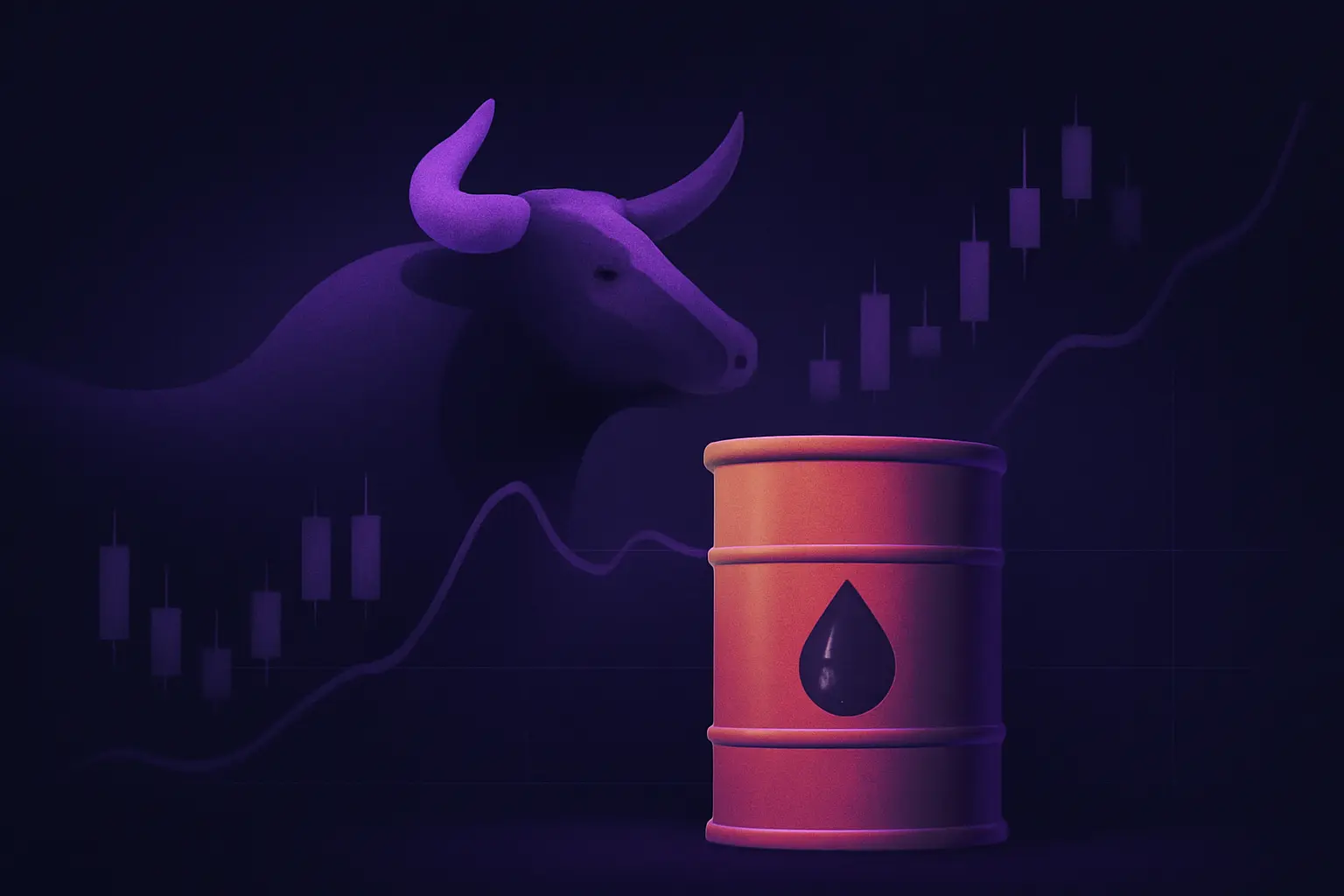
US stocks extended record gains while crude oil edged up. Markets remain buoyant amid mixed economic signals.
Fed pause / no change
Typical directional bias by asset when this plays out — from the VNIX macro impact model. Educational, not financial advice.
VNIX Quick Take
- US benchmarks set fresh records as risk appetite persists.
- Crude oil prices tick higher, supported by supply concerns.
- Investors weigh earnings, Fed policy, and economic data.
Wall Street Extends Record Run as Oil Prices Firm
US stocks added to their record highs on [date], with major indices closing at new peaks. The S&P 500 and Nasdaq Composite both notched gains, while the Dow Jones Industrial Average also advanced. The positive session was driven by a mix of corporate earnings optimism and expectations that the Federal Reserve may begin easing policy later this year.
At the same time, crude oil prices edged higher, with benchmark contracts gaining ground. The rise in oil comes amid ongoing supply constraints and geopolitical tensions, even as demand outlooks remain mixed. The energy sector helped lead the market advance, with oil producers benefiting from firmer prices.
What's Fueling the Rally: Earnings and Fed Expectations
Corporate Earnings Beat Estimates
Strong quarterly results from several large companies have underpinned investor confidence. Earnings beats have been broad-based, particularly in technology and consumer discretionary sectors, supporting the view that the economy remains resilient despite higher borrowing costs.
Fed Policy Hopes and Economic Data
Market participants are closely watching for signs that the Federal Reserve will pivot to rate cuts. Recent inflation data has shown some cooling, but policymakers have remained cautious. Upcoming economic releases, including jobs reports and CPI, will be crucial in shaping rate expectations. According to CME FedWatch, the probability of a rate cut by September stands at [percentage], reflecting market optimism.
Key Levels to Watch in Stocks and Oil
For the S&P 500, the next resistance level is around [level], with support near [level]. A break above could signal further upside, while a drop below support might trigger profit-taking. In the oil market, [benchmark] is testing its 50-day moving average; a sustained move above could open the door to higher prices, while a failure may lead to consolidation. Traders often use technical indicators like RSI and MACD to gauge momentum in these assets.
What This Means for Traders
The current environment offers opportunities but also risks. With indices at record highs, valuation concerns are rising, and any negative surprise could trigger a sharp pullback. For oil, supply dynamics and OPEC+ decisions remain key swing factors. Traders should monitor live prices and stay updated on economic releases that could shift the outlook. Using signal rooms can help traders gauge market sentiment in real time.
It's also essential to consider the broader macro backdrop. If the Fed cuts rates aggressively, stocks could extend gains, but if inflation proves sticky, the opposite may occur. Oil prices could also be impacted by a stronger dollar or weaker global demand. For those new to trading, understanding these dynamics is crucial; the classroom offers resources to build foundational knowledge.
How to Approach This Market Environment
Traders should focus on risk management, using stop-loss orders and position sizing to protect capital. Diversification across asset classes, including equities, commodities, and currencies, can reduce portfolio volatility. For forex traders, oil price movements often correlate with currencies like the Canadian dollar and Norwegian krone, offering cross-market opportunities. To execute trades, you'll need a broker account; choose one that fits your trading style.
In summary, while the market momentum is positive, it's prudent to stay vigilant. Economic data and Fed communication will be the primary drivers in the coming weeks. By staying informed and disciplined, traders can navigate both upside and downside scenarios effectively.
In VNIX's view
The record highs reflect a resilient economy, but the rally is increasingly dependent on Fed rate-cut expectations. Oil's uptick adds to inflationary pressures, which could complicate the Fed's decision. Traders should remain adaptable, as any shift in policy or supply dynamics could quickly alter the landscape.
Educational analysis, not financial advice. Trading involves risk.
ยังไม่รู้ว่าเครื่องมือไหนเหมาะกับคุณ?
ทำแบบทดสอบ 2 นาที รับคำแนะนำที่ตรงกับสไตล์การเทรดของคุณ