

Unanswered Questions Fueling the Stock Market Downturn
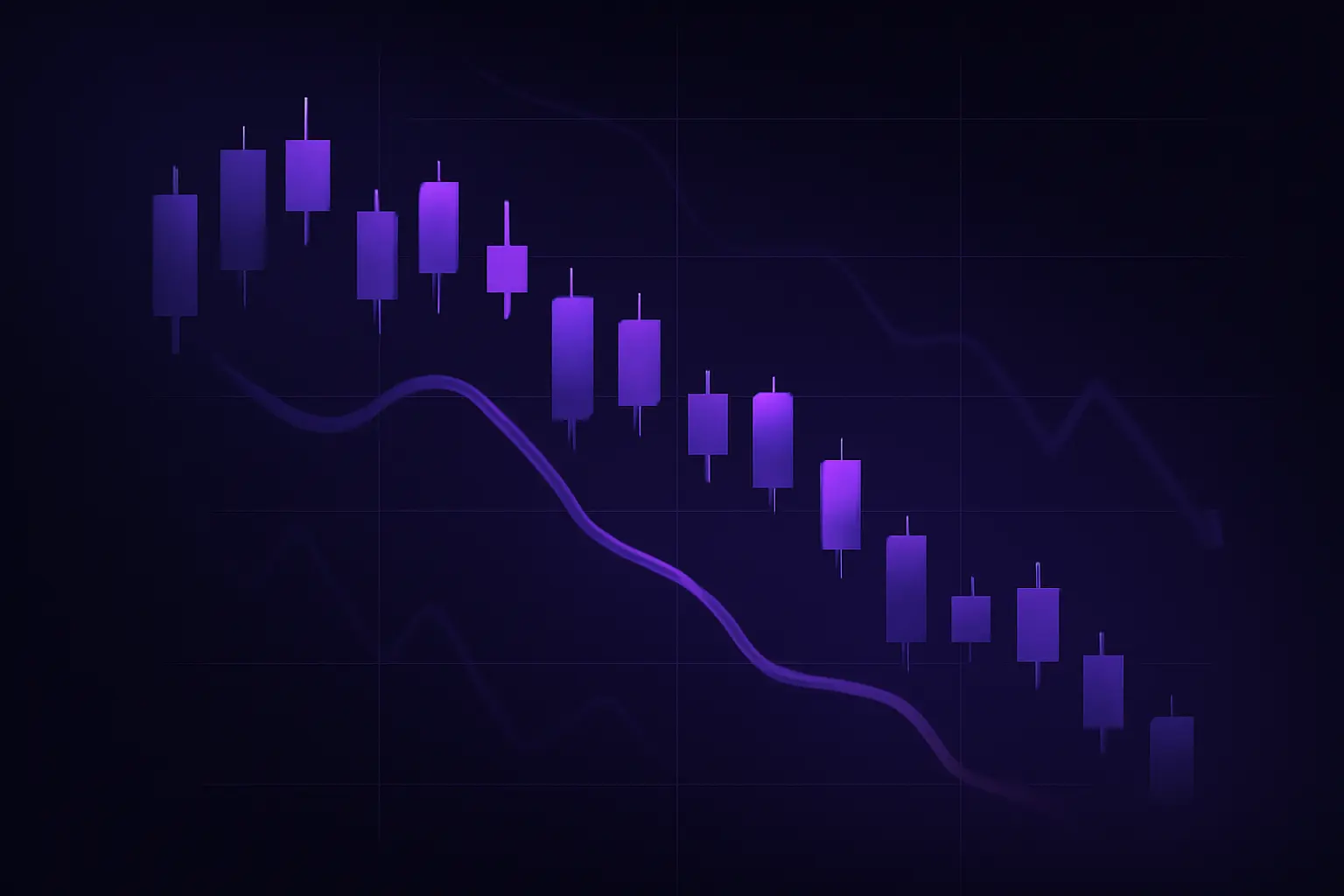
Uncertainty over Fed policy, earnings, and geopolitics drives the sell-off. Key questions remain unanswered, prolonging market volatility.
Fed pause / no change
Typical directional bias by asset when this plays out — from the VNIX macro impact model. Educational, not financial advice.
VNIX Quick Take
- Major indices slide as investors grapple with unresolved Fed rate path, mixed earnings, and geopolitical risks.
- Lack of clarity on these fronts keeps volatility elevated and risk appetite subdued.
- Traders are advised to monitor key support levels and upcoming data releases for directional cues.
S&P 500 and Nasdaq Sink on Persistent Uncertainty
The S&P 500 and Nasdaq Composite extended losses this week, with the S&P 500 falling 1.2% and the Nasdaq dropping 1.8% as unresolved questions about the economic outlook weighed on sentiment. The Dow Jones Industrial Average also declined 0.8%, reflecting broad-based selling across sectors. The sell-off was driven by a combination of factors, including lingering doubts about the Federal Reserve's next policy move, mixed corporate earnings reports, and escalating geopolitical tensions. These uncertainties have left traders reluctant to commit capital, leading to lower trading volumes and heightened volatility.
The Cboe Volatility Index (VIX), often referred to as the market's fear gauge, rose above 20, indicating increased anxiety among investors. The recent price action suggests that the market is pricing in a higher probability of adverse outcomes, prompting a defensive rotation into sectors like utilities and consumer staples, while cyclical and growth stocks underperform.
Key Drivers Behind the Market Decline
Fed Policy Path Remains Cloudy
One of the primary drivers of the sell-off is the lack of clarity on the Federal Reserve's interest rate trajectory. Despite recent data showing a cooling labor market and moderating inflation, Fed officials have maintained a cautious tone, emphasizing the need for more evidence before considering rate cuts. Minutes from the latest FOMC meeting revealed a divided committee, with some members favoring a wait-and-see approach while others expressed concern about overtightening. This uncertainty has kept bond yields elevated, with the 10-year Treasury yield hovering near 4.5%, creating headwinds for equities, particularly growth and technology stocks.
Mixed Earnings and Geopolitical Risks Add to the Gloom
Corporate earnings season has been a mixed bag, with some companies beating expectations while others issued cautious guidance. Notable misses in the consumer and industrial sectors have raised concerns about the health of the broader economy. Additionally, geopolitical tensions, including ongoing conflicts and trade disputes, have disrupted supply chains and increased input costs. These factors have compounded the uncertainty, making it difficult for investors to assess the fair value of stocks. The lack of a clear catalyst to break the stalemate has kept the market in a defensive posture.
Key Levels to Watch on Major Indices
The S&P 500 is currently testing support at its 50-day moving average near 5,100. A decisive break below this level could open the door to further downside, with the next support zone around 5,000. The Nasdaq is approaching its 100-day moving average at 16,000, a critical level that could determine the near-term trend. On the upside, resistance levels at 5,300 for the S&P 500 and 16,800 for the Nasdaq must be reclaimed to signal a reversal. Traders should also monitor the VIX; a sustained move above 25 would suggest heightened fear and potentially deeper corrections. For a comprehensive view of real-time prices, visit the price page.
What This Means for Traders
In this environment of uncertainty, traders should consider a cautious approach. Focus on risk management by using stop-losses and reducing position sizes. Technical analysis tools such as moving averages and RSI can help identify key entry and exit points. The current market structure favors a tactical approach, with short-term trades based on momentum rather than long-term positions. It's also essential to stay informed about upcoming economic data, particularly the next CPI and PCE reports, which could provide clarity on the inflation outlook. For those new to trading, understanding market cycles and sentiment is crucial; the classroom offers educational resources to build foundational knowledge. Additionally, joining a trading community can provide real-time insights and support; explore signal rooms for collaborative analysis.
Ultimately, the market's direction hinges on whether the unanswered questions are resolved. A dovish pivot from the Fed, a strong earnings season, or a de-escalation of geopolitical tensions could reignite the rally. Conversely, further deterioration in any of these areas could deepen the correction. Traders should remain agile and ready to adapt to new information.
In VNIX's view
The current sell-off is a reflection of genuine uncertainty rather than a systemic crisis. While short-term volatility may persist, the lack of a clear catalyst for further downside suggests that the market could stabilize once clarity emerges. Traders should avoid chasing dips aggressively and instead wait for confirmation of a bottom before adding risk. Educational analysis, not financial advice. Trading involves risk.
Educational analysis, not financial advice. Trading involves risk.
ยังไม่รู้ว่าเครื่องมือไหนเหมาะกับคุณ?
ทำแบบทดสอบ 2 นาที รับคำแนะนำที่ตรงกับสไตล์การเทรดของคุณ