

Crypto Trader Loses $1M in Approval Phishing Scam
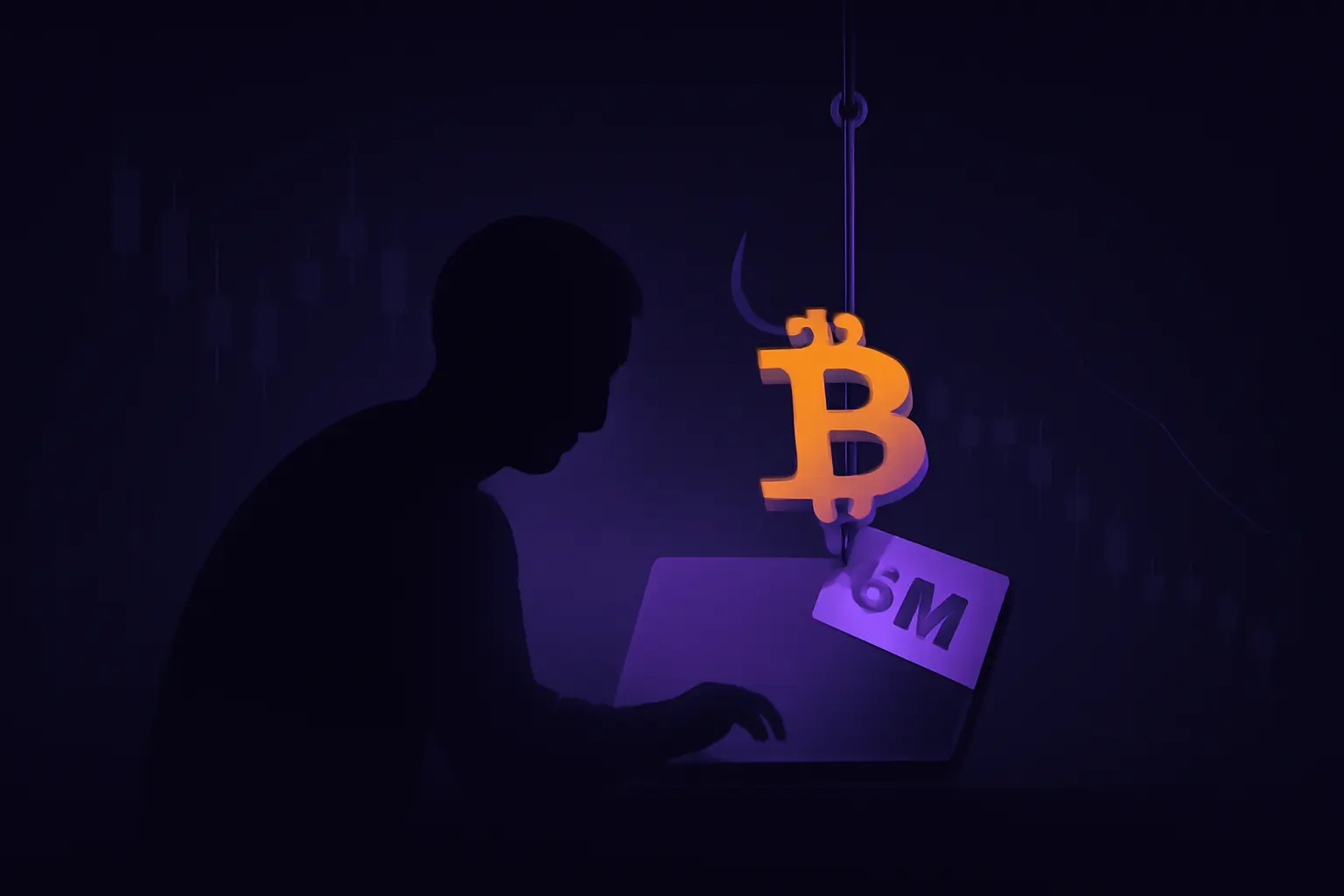
A trader lost $1 million after signing a malicious token approval, highlighting approval phishing as a major threat that netted scammers over $14 billion last year.
VNIX Quick Take
- A crypto trader lost $1 million by signing a phishing token approval transaction, which gave scammers control over their tokens.
- Approval phishing remains a primary attack vector, with onchain scammers stealing over $14 billion in 2024.
- Users are urged to revoke unused token approvals and verify transaction details before signing.
Trader Loses $1M to Approval Phishing Scam
A cryptocurrency trader lost $1 million after falling victim to an approval phishing attack. The scam involved the user signing a malicious token approval transaction, which granted the attacker permission to transfer tokens from the victim's wallet. This type of exploit, known as approval phishing, remains one of the most common and damaging threats in the crypto space.
According to onchain security firms, scammers netted more than $14 billion through various schemes in 2024, with approval phishing accounting for a significant portion. The attack does not require the victim to send funds directly; instead, it tricks them into approving a smart contract that allows the scammer to drain the wallet at will.
Why Approval Phishing Is So Effective
How the Scam Works
Approval phishing exploits the token approval mechanism used by decentralized applications (dApps). When users interact with a dApp, they often sign a transaction granting the contract permission to spend a specific token. Scammers create fake websites or messages that mimic legitimate dApps, tricking users into signing approvals for malicious contracts. Once approved, the attacker can transfer the tokens without further consent.
This method is particularly dangerous because it bypasses traditional security measures like two-factor authentication. The transaction appears normal, and users may not realize they've been compromised until their tokens disappear.
Scale of the Problem
In 2024, onchain scammers stole over $14 billion, with approval phishing as a primary vector. The ease of executing these attacks and the difficulty in reversing blockchain transactions make them highly profitable for criminals. Many victims are experienced traders who mistakenly trust a malicious contract.
Key Levels and Assets to Watch
While this incident does not directly impact crypto prices, it underscores the importance of security practices for traders. Users should regularly check and revoke unused token approvals using tools like Etherscan or dedicated revoke services. Assets with high liquidity, such as ETH and stablecoins, are frequent targets because they are easily converted.
Traders can monitor their wallet approvals via blockchain explorers and set alerts for unusual activity. Understanding the risk indicators in transactions can help prevent such losses.
What This Means for Traders
This incident serves as a stark reminder that security is paramount in crypto trading. Unlike traditional finance, blockchain transactions are irreversible, meaning a single mistake can lead to permanent loss. Traders should always verify the authenticity of dApps and double-check transaction details before signing.
One way to mitigate risk is to use separate wallets for trading and long-term holdings. Hardware wallets can also provide an extra layer of security, as they require physical confirmation for transactions. Additionally, staying informed about common scams through community channels like signal rooms can help traders recognize threats.
For those new to crypto, understanding the basics of wallet security is crucial. The classroom offers resources to help beginners avoid common pitfalls. Remember, approval phishing exploits trust — always question unexpected requests for token approvals.
In VNIX's view
Approval phishing remains a silent but devastating threat in crypto. The $1 million loss highlights that even experienced traders are vulnerable. Proactive security — like revoking approvals and using hardware wallets — is essential. Always verify contract addresses and avoid signing transactions from unverified sources.
Educational analysis, not financial advice. Trading involves risk.
ยังไม่รู้ว่าเครื่องมือไหนเหมาะกับคุณ?
ทำแบบทดสอบ 2 นาที รับคำแนะนำที่ตรงกับสไตล์การเทรดของคุณ