

Trezor Customer Data Exposed in Third-Party Breach Affecting 27,000 Orders
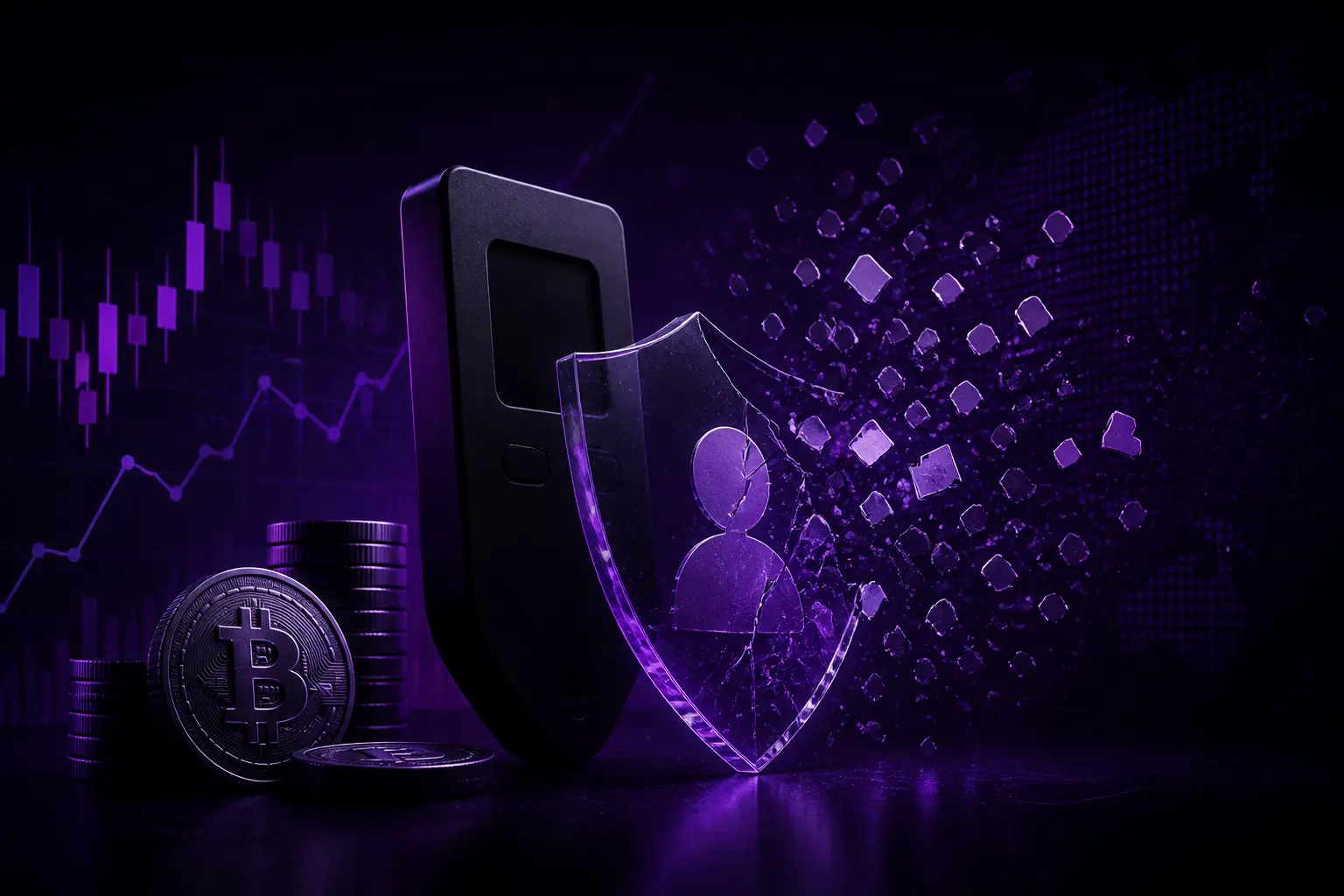
Trezor says a shipping provider breach exposed names, phone numbers and addresses tied to 27,000 orders — the third partner incident this year.
VNIX Quick Take
- Trezor disclosed that a shipping partner breach exposed customer names, phone numbers and delivery addresses linked to roughly 27,000 orders.
- It is the third third-party incident this year involving the hardware wallet maker's data, keeping supply-chain security in focus.
- The breach did not involve private keys or wallet funds, but exposed data can fuel phishing and social-engineering attempts.
Trezor confirms shipping partner breach affecting 27,000 orders
Trezor has warned customers that an attacker gained access to personal data held by one of its shipping providers. The exposed information includes names, phone numbers and delivery addresses associated with about 27,000 orders, according to the company's disclosure. Trezor said the incident originated at the logistics partner rather than its own core systems.
The disclosure marks the third time this year that a Trezor partner has suffered a breach, underscoring how third-party vendors can become a weak link in the security chain even for firms whose products are built around self-custody. The figure of 27,000 orders gives a sense of scale: it is a meaningful subset of the company's customer base, though Trezor has not indicated that the compromised data included email addresses, passwords or any wallet-related secrets.
For crypto users, the episode is a reminder that operational security extends beyond private-key management. Data such as a name, phone number and home address can be enough to craft convincing phishing calls or messages that reference a real past purchase — a tactic that has become familiar across the industry. Trezor's disclosure did not attribute the breach to a specific group or state that ransom demands were made.
Why third-party vendors keep becoming the weak point
Shipping and logistics as an attack surface
Hardware wallet makers typically rely on external logistics firms to fulfil orders, which means customer names, addresses and phone numbers are shared with partners by necessity. That creates a data trail outside the company's direct control. When a shipping provider is compromised, the exposed records can be used to impersonate the brand or a courier, lending credibility to fraudulent messages. The recurring nature of these incidents — three partner breaches in a single year — suggests that vendor risk management is an ongoing challenge rather than a one-off failure.
What was not exposed — and why that matters
According to the disclosure, the breach did not involve private keys, seed phrases or wallet balances. That distinction is critical: hardware wallets are designed so that even a full compromise of a company's customer database cannot directly move funds. However, the exposed contact details can still be weaponised for social engineering. Attackers who know a customer bought a Trezor device may pose as support staff and attempt to extract seed phrases — a scenario that has played out repeatedly in the crypto sector. Traders who hold assets in self-custody should treat any unsolicited contact referencing a past order as a potential phishing attempt.
What to watch: phishing risk and supply-chain disclosures
The immediate focus is on whether the exposed data leads to a wave of targeted phishing attempts against the affected customers. Trezor customers should be alert to unexpected calls, texts or emails claiming to be from the company or a delivery service, and should verify any communication through official channels. The broader watchpoint is how Trezor and its peers tighten vendor oversight — additional disclosures about the shipping partner or changes to data-sharing practices could follow. For crypto markets, the incident is unlikely to move prices directly, but it feeds into the wider narrative around security and trust in the ecosystem. Traders monitoring sentiment can track BTC price action for any reaction, though such events rarely leave a lasting mark on valuations.
How traders can think about counterparty and data risk
This breach is a case study in counterparty risk that extends beyond exchanges and custodians. Even when a company does not hold customer funds, its partners may hold customer data — and that data has value to attackers. For traders, the practical lesson is to compartmentalise information: use unique email addresses for exchange and hardware wallet accounts, enable two-factor authentication wherever possible, and never share seed phrases under any circumstances. Those habits reduce the fallout from breaches that are outside an individual's control.
From a market perspective, security incidents at infrastructure providers can temporarily affect sentiment toward the affected brand or the broader sector, but they rarely alter fundamentals. A trader's edge comes from distinguishing between operational noise and genuine shifts in supply, demand or regulation. Keeping a trading journal of how markets react to similar headlines can help build pattern recognition over time. It is also worth reviewing which indicators — such as on-chain flows or exchange netflows — might signal real stress versus a headline-driven blip; our technical indicators guide covers the basics.
Risk management remains the priority. Position sizing, stop-loss discipline and diversification across assets and custodians all matter more than any single news event. For those exploring self-custody for the first time, understanding the difference between data exposure and key exposure is foundational. Resources like our trader style quiz can help clarify whether a hands-on or hands-off approach suits your temperament, while our signal rooms offer a place to discuss how others are interpreting security headlines.
In VNIX's view
The Trezor disclosure is a reminder that security is a chain, and third-party providers are often the weakest link. While the absence of private-key exposure limits direct financial risk, the repeated nature of these incidents suggests that vendor due diligence and customer communication will be closely scrutinised. Traders should treat such events as operational risks to monitor rather than immediate trading signals, and use them as a prompt to review their own data hygiene and phishing defences.
Educational analysis, not financial advice. Trading involves risk.