

Ethereum's Glamsterdam Upgrade Faces Rival Proposals to Protect Old Contracts
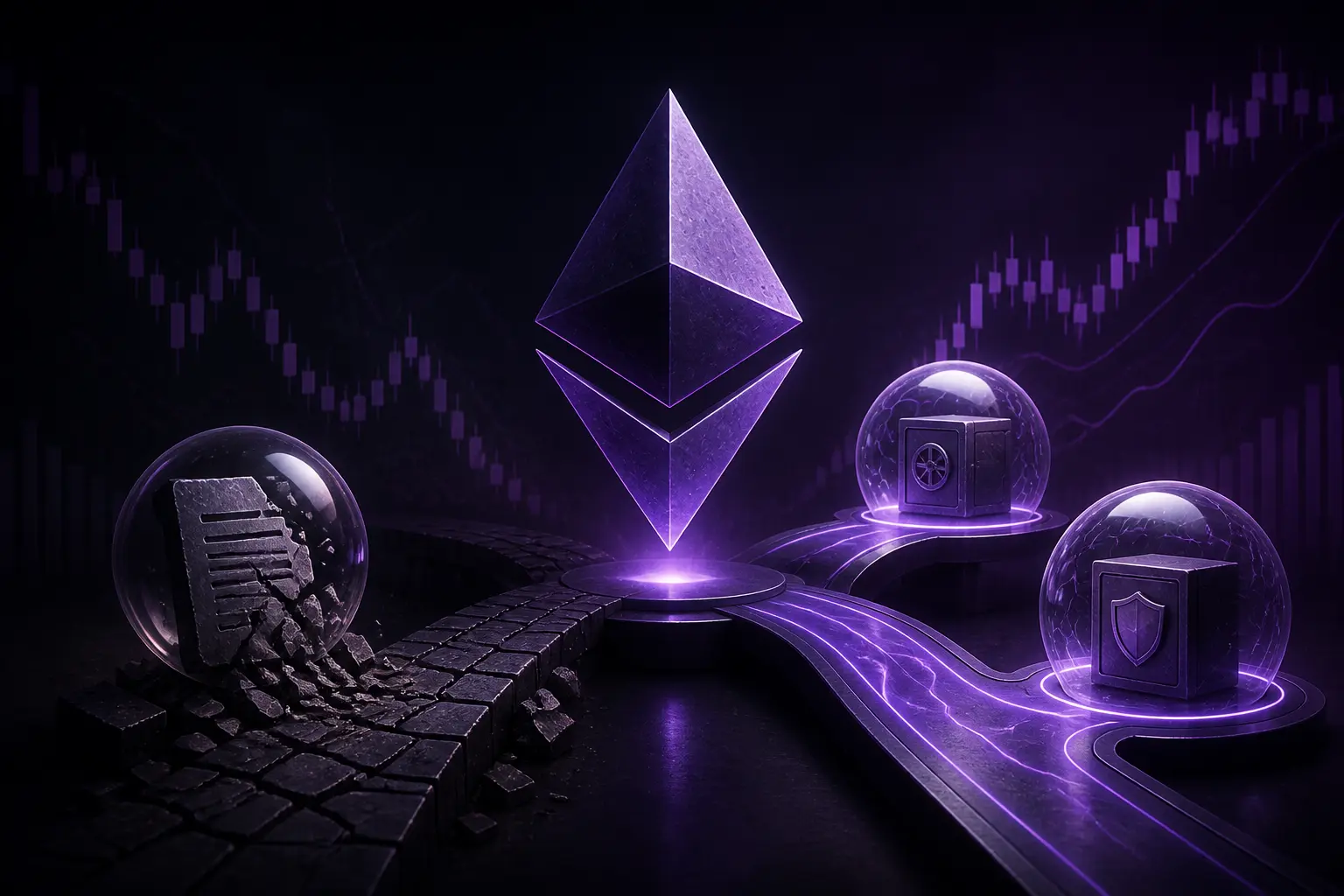
Two competing Ethereum proposals aim to prevent the Glamsterdam upgrade's gas changes from breaking existing smart contracts, with different approaches to cost and visibility.
VNIX Quick Take
- Two rival Ethereum proposals target the Glamsterdam upgrade’s gas-cost changes to prevent legacy contracts from breaking.
- One proposal focuses on what contracts can see, the other on what users pay, highlighting a core design trade-off.
- The outcome could affect how smoothly Ethereum’s next major upgrade rolls out for developers and traders.
Ethereum’s Glamsterdam Gas Overhaul Sparks Competing Fixes for Legacy Contracts
Ethereum’s upcoming Glamsterdam upgrade is designed to improve the network’s efficiency, but its planned changes to gas costs risk breaking existing smart contracts that were written under the old rules. Two rival proposals have emerged to address this problem, each taking a different angle on how to shield legacy contracts from the disruption.
The core issue is that Glamsterdam introduces modifications to how gas is calculated and charged, which can alter the behavior of contracts that rely on specific gas assumptions. If left unaddressed, these changes could cause previously functional contracts to fail, potentially locking funds or disrupting decentralized applications. The two proposals aim to mitigate this risk by providing compatibility layers, but they differ in their approach to what contracts can observe and what users ultimately pay.
This debate is unfolding as Ethereum developers prepare for one of the network’s most significant upgrades in recent years. Glamsterdam, a portmanteau of Glam and Amsterdam, is expected to bundle various Ethereum Improvement Proposals (EIPs) that touch on gas efficiency, among other things. The outcome of this proposal battle will shape how smoothly the upgrade is adopted and whether legacy contracts continue to operate without interruption.
Behind the Rival Proposals: Visibility vs. Cost
One Proposal Targets Contract Visibility
The first proposal focuses on what smart contracts can “see” regarding gas costs. It suggests that contracts should continue to observe gas prices in a way that mimics the old system, even if the underlying gas mechanics change. This approach aims to preserve the behavior of contracts that make decisions based on gas price thresholds or that use gas as part of their logic. By maintaining a familiar view for contracts, this proposal seeks to minimize the need for developers to rewrite code.
However, this approach may introduce complexity in how gas is actually accounted for, potentially creating a discrepancy between what contracts see and what users pay. It could also lead to inefficiencies if the visible gas price diverges significantly from the real cost, but it prioritizes backward compatibility for existing contracts.
The Other Proposal Focuses on User Costs
The second proposal takes a different tack by concentrating on what users pay. It aims to ensure that the actual gas fees charged to users remain predictable and stable, even as the underlying gas calculation changes. This approach might involve adjusting how gas is priced at the protocol level to keep user costs consistent, while allowing contracts to see the new gas mechanics. The goal is to protect users from sudden fee spikes while still enabling the benefits of Glamsterdam’s gas improvements.
This proposal could require contracts to adapt to the new gas model, potentially breaking those that are not updated. But it may offer a more straightforward path for users and could reduce the risk of market volatility caused by unpredictable fees. The trade-off here is between user experience and contract compatibility.
Key Ethereum Metrics and Contract Activity to Monitor
As these proposals are debated, traders and developers should keep an eye on Ethereum’s on-chain activity, particularly the volume of transactions involving legacy contracts. A spike in failed transactions or a drop in contract interactions could signal that the upgrade is causing disruptions. Additionally, monitoring gas prices and network congestion will be crucial, as any changes to gas mechanics could affect transaction costs and user behavior.
For those tracking Ethereum’s price, real-time ETH price data can provide context on market sentiment during this development phase. Technical indicators such as moving averages and RSI may help gauge whether the market is pricing in uncertainty or confidence regarding the upgrade. Traders can also use charting tools to identify key support and resistance levels that could come into play if the news triggers volatility.
How Traders Can Interpret the Glamsterdam Proposal Debate
For traders, the Glamsterdam proposal debate is a reminder that Ethereum’s upgrade cycles can introduce both opportunities and risks. Historically, major upgrades have sometimes led to short-term price volatility as the market digests technical changes. The outcome of these proposals will influence how disruptive Glamsterdam is to the ecosystem, which in turn could affect developer confidence and user adoption.
A smoother upgrade with strong backward compatibility might be viewed positively, as it reduces the risk of contract failures and maintains trust in the network. Conversely, if the proposals fail to adequately protect legacy contracts, it could lead to negative sentiment and potentially outflows from DeFi protocols. Traders should consider how the news might impact Ethereum’s competitive position relative to other smart contract platforms.
Beyond the immediate price action, this situation underscores the importance of understanding protocol-level developments. Engaging with the community through VNIX signal rooms can provide diverse perspectives on how such news is being interpreted. For those new to crypto trading, resources like the VNIX classroom offer foundational knowledge on how upgrades and technical changes can affect asset prices. And if you’re looking to act on these insights, you’ll need a broker account to trade Ethereum and other cryptocurrencies.
Risk management is paramount: never trade based on a single news event without considering the broader market context. The Glamsterdam proposals are still in discussion, and their final form could change. Keep an eye on official Ethereum developer calls and EIP updates for the latest.
In VNIX's view
The two proposals reflect a classic engineering trade-off between compatibility and simplicity. While the outcome is uncertain, the Ethereum community’s proactive approach to mitigating upgrade risks is a positive sign for the network’s long-term health. Traders should watch for final decisions and testnet results, as these will be the first real indicators of how Glamsterdam will affect the ecosystem.
Educational analysis, not financial advice. Trading involves risk.
เทรดแม่นขึ้นด้วยอินดิเคเตอร์ VNIX
สัญญาณเข้า-ออก-ความเสี่ยงที่ชัดเจน ตรงบนกราฟ TradingView ของคุณ