

Gold Prices Defy Expectations: Why the Metal Is Cheaper Than You Think
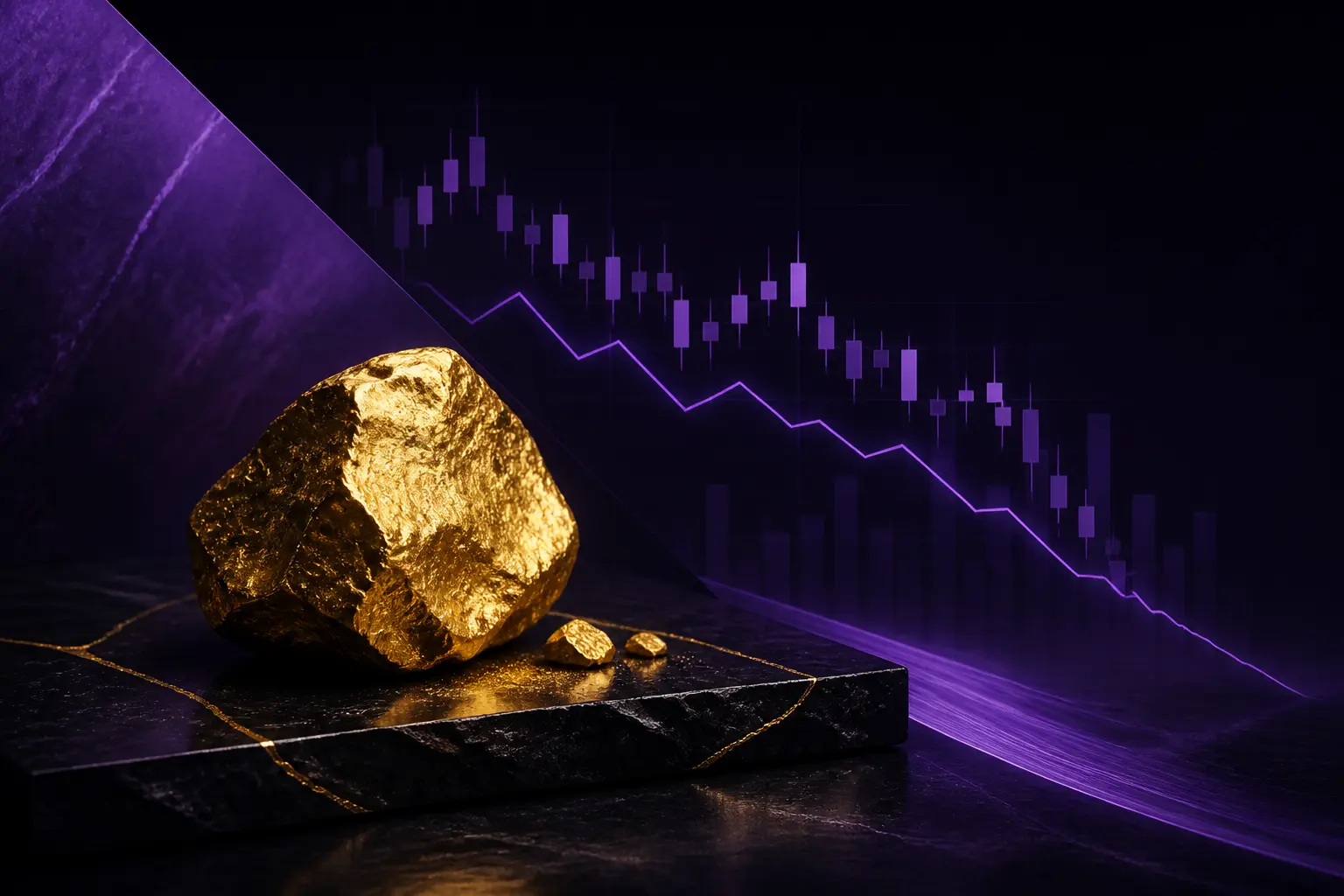
Gold's surprising low price relative to inflation and money supply puzzles traders. We break down the drivers and what to watch.
VNIX Quick Take
- Gold prices are lower than many expected given massive money printing and inflation.
- The metal's relationship with real yields and the dollar remains a key driver.
- Traders should watch central bank policy and physical demand for clues.
Gold's Unexpected Slump: Why the Metal Isn't Behaving as Predicted
Gold has long been viewed as a hedge against inflation and currency debasement. Yet despite unprecedented money creation and rising consumer prices, the yellow metal's price has not surged as some analysts forecast. This disconnect has left many traders scratching their heads. The Planet Money podcast recently explored this puzzle, highlighting that gold's price is surprisingly low relative to the growth in money supply and other assets.
Historically, gold has served as a store of value, often rising when real interest rates are low or negative. But in the current environment, factors such as a strong US dollar, rising real yields, and changing investor preferences may be capping its upside. Understanding these dynamics is crucial for anyone trading gold or related instruments.
In this article, we'll unpack the reasons behind gold's subdued price action and what it means for traders. We'll also look at key levels to monitor and how to approach the market with a risk-aware mindset.
The Forces Keeping Gold Under Pressure
Real Yields and the Opportunity Cost of Holding Gold
One of the primary drivers of gold prices is the level of real interest rates, which are nominal yields minus inflation. When real yields are high, holding gold becomes less attractive because it doesn't generate income. Recently, real yields have climbed as central banks tighten policy, making bonds more appealing relative to gold. This opportunity cost has likely contributed to gold's lackluster performance.
Traders often monitor the US 10-year Treasury yield and inflation expectations to gauge real yields. If real yields continue to rise, gold could face further headwinds. Conversely, a drop in real yields might reignite interest in the metal. For those looking to track these metrics, our indicators section offers tools to analyze yield trends.
A Strong Dollar and Shifting Investor Sentiment
Gold is priced in US dollars, so a stronger dollar makes it more expensive for holders of other currencies, potentially reducing demand. The dollar has been supported by aggressive Federal Reserve rate hikes and safe-haven flows amid global uncertainty. Additionally, investor sentiment has shifted towards riskier assets like equities and cryptocurrencies, diverting attention from gold.
However, sentiment can change quickly. If economic conditions deteriorate or geopolitical tensions rise, gold's safe-haven appeal could return. Keeping an eye on the dollar index and market sentiment is essential. Our live prices page can help you monitor these developments in real time.
Key Levels and Assets to Watch
For traders, identifying critical support and resistance levels is vital. Gold has been range-bound, with significant support around $1,800 per ounce and resistance near $2,000. A break below support could signal further weakness, while a sustained move above resistance might indicate a bullish reversal. Additionally, watch the US dollar index and real yields for confirmation.
Other assets like silver and mining stocks can also provide clues about the health of the precious metals sector. Divergences between gold and silver, for instance, may hint at shifting fundamentals. Always use technical analysis in conjunction with fundamental factors. For those new to technical analysis, our classroom offers foundational resources.
What This Means for Traders: Navigating the Gold Market
The current environment presents both challenges and opportunities for gold traders. On one hand, the bearish factors are significant, but on the other, gold's role as a diversifier and hedge remains. It's important to avoid assuming that gold must rise simply because of inflation; instead, focus on the interplay of real yields, the dollar, and risk sentiment.
Risk management is paramount. Given gold's volatility, position sizing and stop-loss orders are essential. Traders might consider using options or futures to define risk, but these instruments require experience. Beginners should start with a demo account or small positions. Our quiz can help you determine your trading style and risk tolerance.
Finally, stay informed about central bank policies. The Fed's stance on rates will heavily influence real yields and the dollar, and by extension, gold. Any hint of a pause or pivot could spark a rally. Conversely, continued hawkishness may keep gold subdued. Join our signal rooms to discuss ideas with fellow traders.
In VNIX's view
Gold's low price relative to expectations reflects a complex mix of rising real yields, dollar strength, and changing investor priorities. While the metal may seem undervalued, it's crucial to understand that markets can remain irrational longer than expected. Traders should focus on the underlying drivers rather than relying on historical correlations alone. The current setup suggests that gold's next major move will likely hinge on shifts in monetary policy and real yields.
Educational analysis, not financial advice. Trading involves risk.
รับสัญญาณเทรดเรียลไทม์
จุดเข้า เป้าหมาย และจุดตัดขาดทุน สำหรับทองคำ คริปโต และฟอเร็กซ์ คัดสรรโดยทีมงาน