

US Inflation Expected to Cool After Recent Uptick, Easing Pressure on Fed
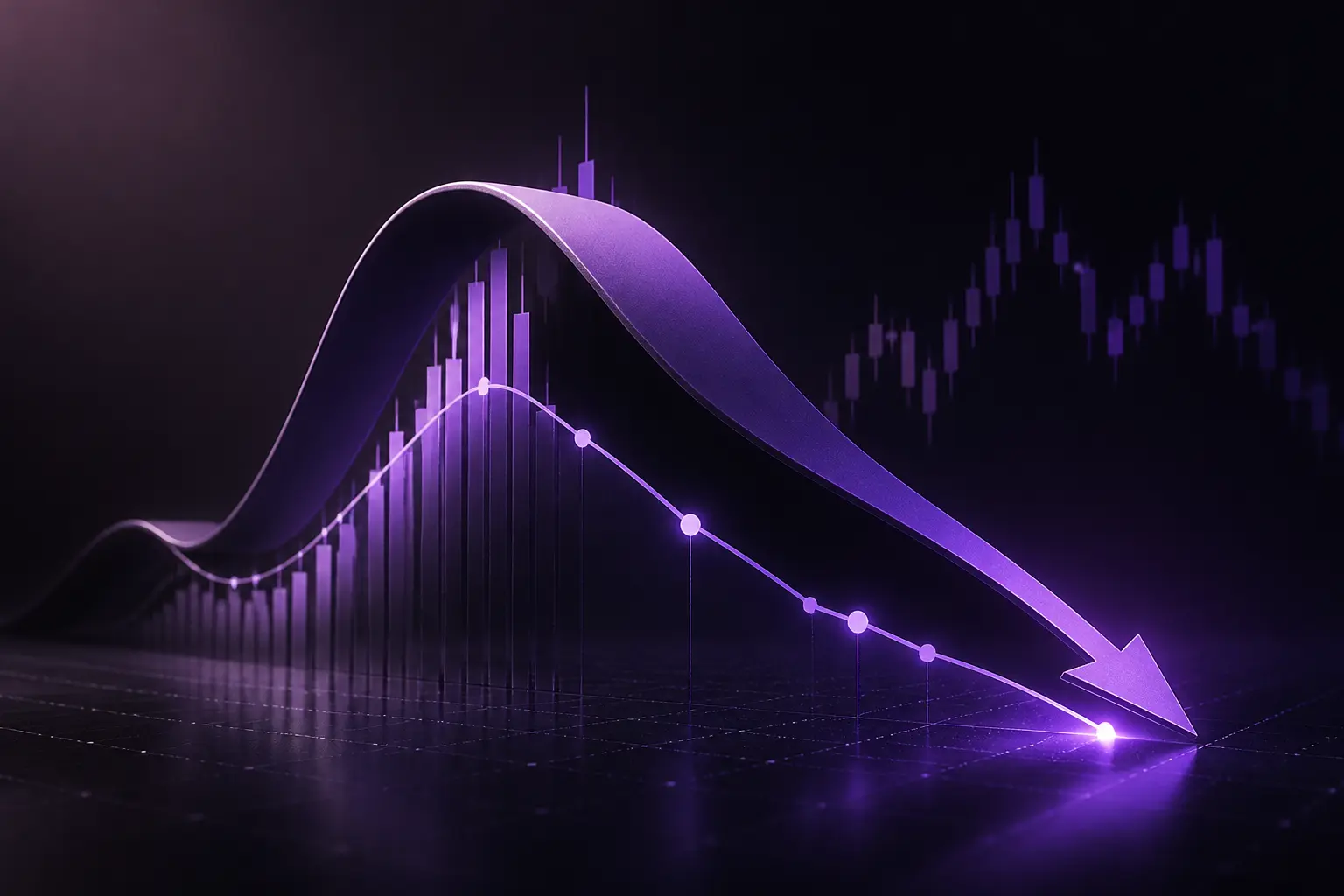
US inflation is forecast to moderate after a recent pickup, a development that could influence the Federal Reserve's policy path and market expectations.
CPI — cooler than expected
Typical directional bias by asset when this plays out — from the VNIX macro impact model. Educational, not financial advice.
VNIX Quick Take
- US inflation is projected to simmer down following a recent acceleration, offering potential relief to markets and policymakers.
- The anticipated cooling could reinforce expectations that the Federal Reserve will hold rates steady or consider cuts later in the year.
- Traders should monitor upcoming data releases for confirmation, as any upside surprise could reignite volatility across rate-sensitive assets.
US Inflation Forecast to Moderate After Recent Pickup
According to recent reports, US inflation is expected to ease after a period of acceleration, providing a potential tailwind for financial markets. The anticipated moderation comes as welcome news for investors who have been concerned about persistent price pressures and their impact on Federal Reserve policy.
The recent pickup in inflation had raised questions about whether the disinflation trend was stalling. However, economists project that the uptick will prove temporary, with underlying price pressures gradually abating. This outlook is supported by factors such as easing supply chain constraints and a slowdown in wage growth.
Market participants will closely watch upcoming inflation data, including the Consumer Price Index (CPI) and Personal Consumption Expenditures (PCE) reports, to gauge whether the expected cooling materializes. Any deviation from forecasts could lead to sharp moves in asset prices, particularly in rate-sensitive sectors like technology stocks and bonds.
Factors Behind the Expected Inflation Cooldown
Labor Market Dynamics and Wage Growth
A key driver of the anticipated inflation moderation is the evolving labor market. While hiring remains robust, wage growth has shown signs of deceleration. Slower wage increases can reduce upward pressure on prices, as businesses face less need to raise prices to cover higher labor costs. This dynamic is closely monitored by the Federal Reserve, which has highlighted the importance of labor market balance in achieving its 2% inflation target.
Recent data indicates that job openings have edged lower from record highs, and quit rates have normalized, suggesting a better-matched labor market. If this trend continues, it could contribute to a sustained reduction in inflation without a significant rise in unemployment, a scenario often referred to as a "soft landing."
Supply Chain Normalization and Goods Prices
Another factor supporting the cooling inflation narrative is the ongoing normalization of global supply chains. After years of disruptions caused by the pandemic and geopolitical tensions, shipping costs and delivery times have improved. This has helped alleviate pressure on goods prices, which were a major contributor to the initial inflation surge.
Additionally, inventories have been rebuilt, and consumer demand has shifted back toward services, reducing the strain on goods-producing sectors. As goods inflation continues to moderate, it could offset some of the persistent inflation seen in services, such as housing and healthcare.
Key Data Points and Market Levels to Watch
Traders will focus on upcoming releases of the CPI and PCE price indices, as these are the primary gauges of inflation. The core measures, which exclude volatile food and energy components, are particularly important as they provide a clearer view of underlying trends. A reading in line with or below expectations could bolster the case for a Fed pause or rate cuts, potentially weakening the US dollar and supporting equities.
In terms of market levels, the US 10-year Treasury yield is a critical barometer. If inflation fears subside, yields could decline, benefiting bond prices. Conversely, an upside surprise in inflation might push yields higher, pressuring rate-sensitive assets. For currency traders, the dollar index (DXY) may react to inflation data, with a softer print potentially leading to dollar weakness. Gold, often seen as an inflation hedge, could also see increased demand if real yields fall. For real-time prices of these assets, visit our price page.
Implications for Traders: Navigating the Inflation Outlook
For traders, the anticipated moderation in inflation presents both opportunities and risks. On the one hand, a confirmed cooling could reinforce the narrative of a Federal Reserve nearing the end of its hiking cycle, potentially leading to a more risk-on environment. This could benefit growth stocks, cryptocurrencies, and other risk assets. On the other hand, any signs that inflation is not cooling as expected could trigger sharp reversals, as markets have priced in a benign inflation path.
It's essential to consider the broader context: inflation remains above the Fed's target, and the central bank has emphasized its commitment to bringing it down. Therefore, even if inflation moderates, the Fed may keep rates elevated for some time to ensure the trend is sustainable. Traders should monitor Fed communications and the dot plot for clues on the future path of rates.
Additionally, the reaction of different asset classes can vary. For instance, if inflation cools but economic growth also slows, defensive sectors like utilities and consumer staples might outperform. Conversely, if inflation cools while growth remains resilient, cyclical sectors could lead. Using technical analysis tools such as moving averages and RSI can help identify entry and exit points. For more on indicators, see our technical analysis guide.
Risk management is crucial in this environment. Given the potential for volatility around data releases, traders should consider position sizing and stop-loss orders. Diversification across assets and timeframes can also help mitigate risks. For those looking to share ideas and learn from others, our signal rooms provide a collaborative space. And if you're new to trading, our quiz can help you find your style.
In VNIX's view
The expected cooling of US inflation is a positive development for markets, but traders should remain cautious until the data confirms the trend. The Federal Reserve's response will be key, and any delay in rate cuts could temper enthusiasm. We believe a diversified approach with a focus on risk management is prudent in this environment.
Educational analysis, not financial advice. Trading involves risk.
Chưa biết công cụ nào phù hợp?
Làm bài test 2 phút để nhận gợi ý phù hợp với phong cách giao dịch của bạn.