

Monthly GDP Stalls: Economy Flat Since March
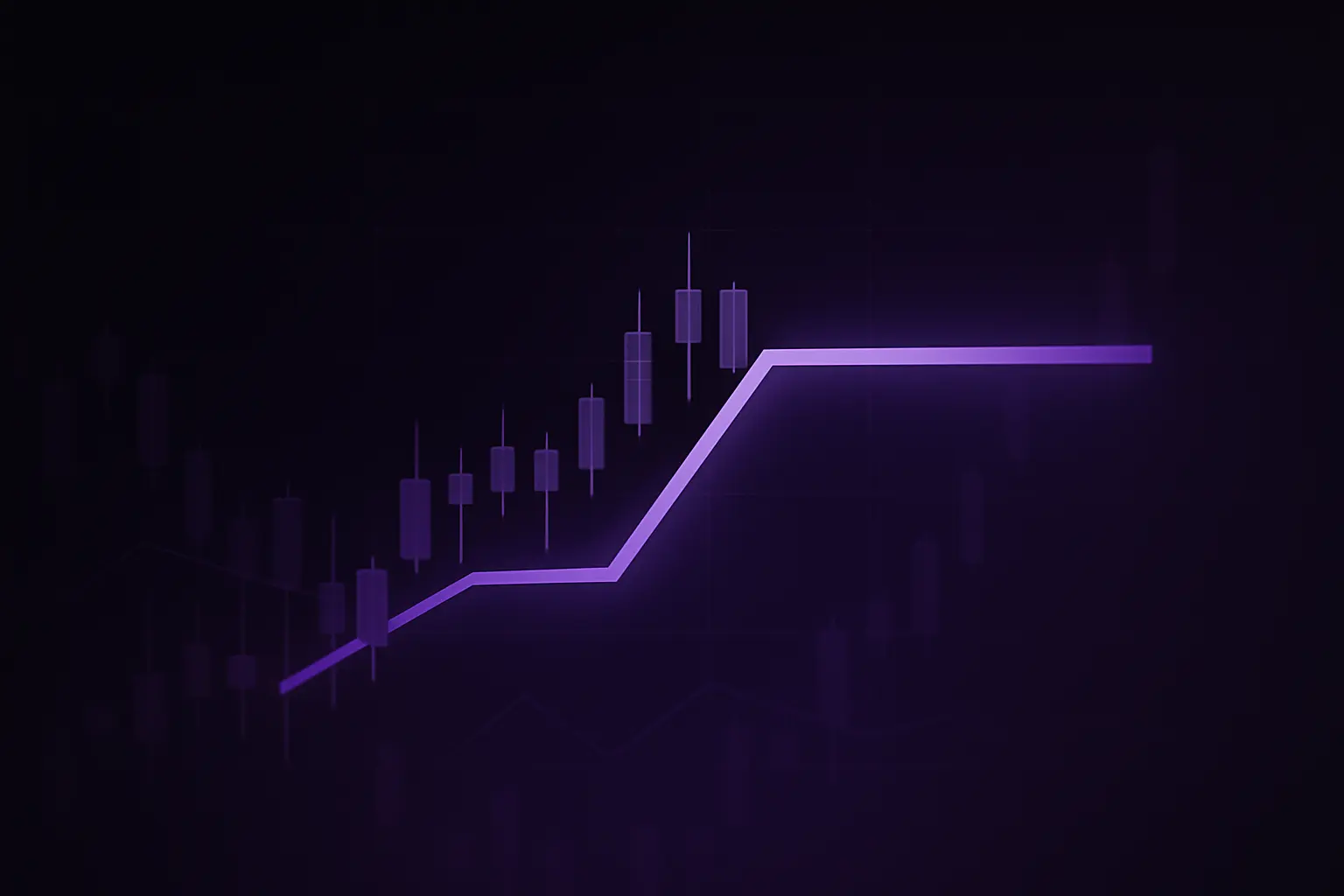
Monthly GDP has been flat since March, signaling a potential slowdown. Explore what this means for traders and markets.
Fed pause / no change
Typical directional bias by asset when this plays out — from the VNIX macro impact model. Educational, not financial advice.
VNIX Quick Take
- Monthly GDP has shown no growth since March, indicating a stagnant economic backdrop.
- Flat output could prompt the Fed to hold rates steady, but inflation risks remain.
- Traders should watch for shifts in rate expectations and yield movements.
Monthly GDP Stalls: No Growth Since March
New data reveals that monthly GDP has remained flat since March, suggesting the economy has hit a plateau. The reading points to a lack of momentum in output, which may temper expectations for robust growth in the second half of the year.
This stagnation comes amid a backdrop of elevated interest rates and persistent inflation pressures. While a flat GDP reading avoids an outright contraction, it raises questions about the sustainability of the current expansion.
For context, monthly GDP is a volatile indicator, but three consecutive months of no growth is notable. Traders often use this metric to gauge the economy's short-term trajectory, and the current flatness could signal a cooling phase.
What's Driving the Stagnation: Rate Hikes and Consumer Pullback
Impact of Restrictive Monetary Policy
The Federal Reserve's aggressive rate hiking cycle has made borrowing costlier, weighing on interest-sensitive sectors like housing and capital investment. Higher rates have also dampened consumer spending on big-ticket items, a key driver of GDP.
With the Fed holding rates at a 23-year high, the economy is feeling the pinch. The lagged effects of monetary tightening are likely contributing to the current flatness.
Consumer and Business Sentiment Weaken
Consumer confidence has dipped, and businesses are pulling back on expansion plans. This cautious mood translates into reduced spending and investment, further stalling output.
Additionally, global uncertainties and geopolitical tensions are adding to the hesitancy, making firms reluctant to commit to new projects. This environment is a stark contrast to the post-pandemic rebound.
Key Levels to Watch: Yields, Dollar, and Rate Expectations
For traders, the flat GDP reading could influence the US 10-year yield and the dollar. If the economy is truly stalling, yields may drift lower as growth expectations fade, while the dollar could weaken against major peers.
Watch the next CPI release and any Fed commentary. A cooler inflation print combined with flat GDP could solidify expectations for a rate cut, while hot inflation would complicate the picture.
What This Means for Traders: Positioning for a Stalled Economy
In a flat-growth environment, cyclical sectors like industrials and materials may underperform, while defensives like utilities and healthcare could attract flows. Rate-sensitive plays, such as real estate and tech, might benefit if yields fall.
Traders should also consider the impact on technical indicators like moving averages and RSI, which can help time entries in a range-bound market. The lack of growth suggests a choppy, sideways market rather than a clear trend.
If the Fed signals a pivot, risk assets could rally, but if inflation stays sticky, the stagnation could persist. Stay flexible and use signal rooms to gauge market sentiment in real time.
In VNIX's view
The flat GDP reading underscores a fragile economy, but it's not yet a recession signal. The Fed is likely to stay on hold, but any downside surprise could force a dovish pivot. Traders should prepare for range-bound conditions and watch for breakout signals.
Educational analysis, not financial advice. Trading involves risk.
ยังไม่รู้ว่าเครื่องมือไหนเหมาะกับคุณ?
ทำแบบทดสอบ 2 นาที รับคำแนะนำที่ตรงกับสไตล์การเทรดของคุณ